Parents take their kids to the park for a breather, a patch of green, a tiny sliver of normal life. In Nova Vodolaha, that ordinary evening walk ended in smoke and grief.
When a Russian drone hit the central park in Nova Vodolaha in Kharkiv Oblast on October 19, 2026, it killed six people—including one-year-old Angelina Mariukhna in her stroller and her mother, Inna. Within days, First Lady Olena Zelenska spoke out, warning that families grab whatever brief moments of fresh air they can only to get hit in spaces meant for rest and play.
You don't read a story like that just for a headline. You look it up because a toddler in a stroller feels like a line crossed in plain sight, and you want to know what happened, who spoke up, and why civilian attacks keep escalating even when people stop paying close attention.
What Happened in Nova Vodolaha and Why Zelenska Spoke Out
The strike hit the central park in Nova Vodolaha, a settlement in Ukraine's Kharkiv Oblast, in the evening of October 19, 2026. Reporting from Ukrainian outlets and international wire services identified the attack as a Russian drone strike near a café in the park area, killing six people and injuring more than a dozen others. Among the dead were one-year-old Angelina Mariukhna—born in August 2025—and her mother, Inna Mariukhna. An eight-year-old girl and a 12-year-old boy who later died in a Kyiv hospital were also among the fatalities.
President Volodymyr Zelenskyy called the strike an atrocity and pointed directly to the toddler killed in her stroller. Olena Zelenska stepped into the conversation with a distinctly maternal, human focus that has defined much of her public advocacy throughout the war. In her remarks following the attack, she highlighted how parents seize every chance to let their children breathe fresh air outside, turning a basic ritual of childhood into a scene of devastation.
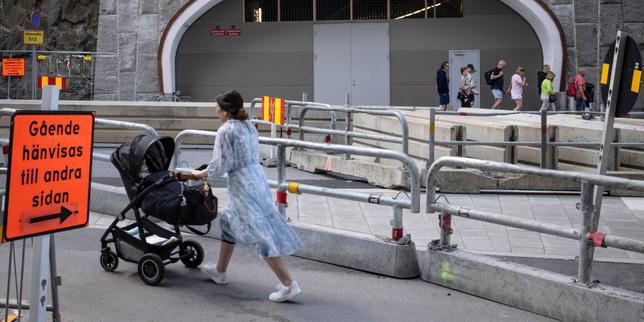
Honestly, that contrast is what hits hardest. A park bench, a stroller, a patch of autumn air—none of that looks like a battlefield. Yet in front-line and near-front-line regions like Kharkiv Oblast, routine civilian life and active combat sit right on top of each other.
Why Tabloid Summaries Miss the Bigger Picture
Most quick news recaps stop at the shock value: First Lady reacts, toddler in pram killed, world leaders debating diplomacy. That gives you the bare bones, sure, but it leaves out the bigger context that explains why October 2026 felt so grim on the ground.
First, civilian casualties didn't just happen in a vacuum that week. According to the UN Human Rights Monitoring Mission in Ukraine (HRMMU), at least 372 civilians were killed and 1,981 injured across Ukraine in October 2026—the highest October toll since the full-scale invasion began in 2022, and roughly 95 percent higher than in October 2025. Numbers on a UN briefing sheet can feel abstract, until you match them to real names like Angelina and Inna.
Second, Zelenska's public voice carries weight because her work has focused heavily on children's health, mental well-being, and humanitarian logistics—areas that are now getting squeezed from both sides. In September 2026, for instance, a Russian attack destroyed a warehouse belonging to the Olena Zelenska Foundation, delaying medical equipment and aid deliveries. When she speaks out after a child dies in a park, she isn't just offering a ceremonial statement. She's talking about the exact spaces, supplies, and routines families rely on to survive day to day.
At the same time, it's worth being straight with you about what we don't know from public reporting alone. Independent verification of battlefield damage and specific munitions takes time, and public statements from officials naturally emphasize political and moral urgency. Reading multiple sources—including UN monitoring reports, Ukrainian outlets, and international press—helps separate confirmed casualty figures from broader political debates.
How Drone Warfare Changed Everyday Risk for Civilians
Long-range and loitering drones like Shaheds have changed the geography of danger in Ukraine. Early in the invasion, people often assumed heavy shelling or close-quarters fighting was confined to obvious front lines or major cities under missile barrages. Drones blur that boundary. They're cheaper, harder to spot in every sector at once, and capable of hitting towns and public spaces far from traditional trench lines.
If you've ever lived near an active conflict zone—or watched how communities adapt over years of protracted war—you see a predictable cycle. Air raid sirens go off so often that fatigue sets in. People try to keep some normalcy for their kids because locking children indoors indefinitely takes its own psychological toll. Then a strike lands in a park during evening hours, and that fragile sense of normal shatters all over again.
There's also a fierce debate in international policy circles over how allies should respond to rising civilian casualties and shifting diplomatic leverage. Some analysts argue that faster air-defense deliveries and stricter sanctions are the only practical way to deter strikes on populated areas. Others contend that diplomatic pressure and negotiated off-ramps are essential to stop the fighting altogether. What isn't really up for debate among human rights monitors like the UN Human Rights Monitoring Mission in Ukraine is that civilians—including infants and school-age children—continue to bear a heavy share of the cost.
Misconceptions People Have About News Like This
When a story like this circulates online, a few assumptions pop up right away. Here's how to keep your bearings:
- "If it's a park, it must have been a pure accident with zero context." Not necessarily. Investigations into strikes on public areas look at flight paths, nearby infrastructure, target selection, and accountability under international humanitarian law. Jumping to either "totally accidental" or "all details already proven" skips the hard work of verification.
- "Casualties were already winding down compared to last year." Actually, HRMMU data shows October 2026 civilian deaths and injuries rose sharply compared to October 2025, following elevated monthly totals earlier in the summer.
- "A First Lady's statement doesn't change anything material." Statements don't intercept drones. Still, high-profile advocacy from figures like Olena Zelenska helps keep humanitarian bottlenecks, child welfare, and civilian harm in international headlines when diplomatic attention drifts elsewhere.
Practical Next Steps If You're Following or Supporting Relief Efforts
If you want to go beyond passive scrolling and actually understand—or help with—what's happening on the ground, take a few concrete steps:
- Read primary monitoring reports, not just secondary summaries. Check updates from the UN Human Rights Monitoring Mission in Ukraine alongside reputable outlets like The Kyiv Independent to see verified figures and local reporting side by side.
- Vet any charity before donating. If you decide to support medical or child-focused relief, check how funds are used, look for transparent reporting on supplies delivered, and avoid unverified social media fundraisers that pop up right after major tragedies.
- Track regional updates, not just capital-city headlines. Stories centered on Kyiv get plenty of oxygen, yet places like Kharkiv Oblast face relentless pressure that shapes the real trajectory of the war.
Keeping track of human stories like Angelina's takes patience and clear eyes. Look past the loudest outrage, stick to verified reporting, and pay attention to the families trying to live ordinary lives under extraordinary threat.