Most adults read about environmental collapse, sigh, and click away to watch a funny video. A nine-year-old girl in the Philippines did the exact opposite.
Instead of scrolling past bad news, Samantha Gail Lim discovered that one of the rarest birds on the planet lived right in her backyard. Instead of waiting for someone else to fix the problem, she rolled up her sleeves. She raised 20,000 Philippine pesos to protect the critically endangered Cebu flowerpecker. You might also find this related article insightful: Why Drone Swarms Will Never Break Moscow And The Deep Strike Fallacy.
Her story isn't just a cute feel-good anecdote. It is a sharp reminder of how passive adults usually are when faced with environmental crises.
Finding the Rarest Bird on the Island
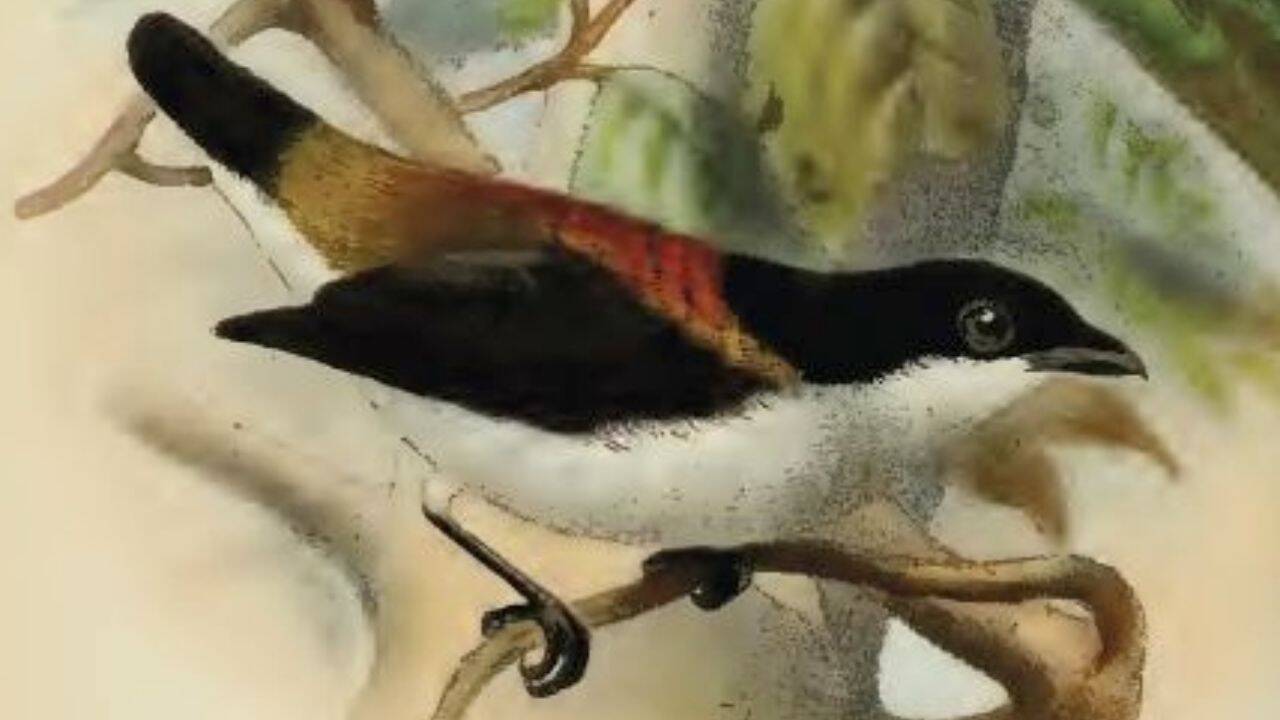
It started with a Google search. Back when she was seven years old, Gail was looking online for information about endangered Philippine wildlife. She expected to read about the famous Philippine Eagle. Instead, she stumbled upon the Cebu flowerpecker. As extensively documented in recent coverage by The New York Times, the implications are widespread.
The facts were bleak. This tiny bird, scientifically known as Dicaeum quadricolor, is native only to the island of Cebu. It was thought to be completely extinct until a miraculous rediscovery in 1992. Today, only around 60 to 100 individuals survive in the wild.
That realization hit her hard. She pulled her father aside and voiced a heavy truth. She lived right where the bird lived, yet she was doing nothing to help it survive.
Her father, Sheldon Lim, realized she wasn't just passing time. She was deadly serious. Soon after, the family took a trip south to the Nug-as Forest in Alcoy, one of the last remaining sanctuaries for the flowerpecker.
Project Wings and Wonders Takes Flight
Visiting the forest changed everything. Gail met the local forest wardens of KMYLBNA, a community group that patrols the trails and protects the trees against illegal loggers and poachers. She saw firsthand how hard these frontliners worked with almost no resources.
She decided to launch an initiative called Project Wings and Wonders. She didn't set up a massive corporate charity. She used what she knew.
Gail partnered with local Cebuano artists, hosted art workshops for kids, painted custom pieces, and sold handmade crocheted amigurumi animals. She spoke at community events, teaching other children why native biodiversity matters.
Step by step, the funds added up. Her campaign brought in 20,000 Philippine pesos. She handed the entire amount directly to the Nug-as Forest Wardens.
Her efforts caught the attention of the Philippines Biodiversity Conservation Foundation Inc., which formally recognized her extraordinary dedication. Wildlife experts pointed out that her work did something money can't buy. She brought national attention to a forgotten bird.
What We Can Learn From a Nine Year Old
It is easy to dismiss child activists as products of ambitious parenting. Spend five minutes talking to people involved in Cebu's conservation spaces, and that cynical view vanishes.
Most adults suffer from severe scope neglect. If a problem is too big, like global deforestation or species extinction, we assume our individual contribution won't matter anyway. We wait for governments or billionaires to swoop in.
Gail's approach shatters that excuse. She embraced a local problem because she lived there. She decided to bloom where she was planted.
Protecting the environment doesn't require launching a multinational nonprofit. It requires looking at your own immediate surroundings, finding a gap, and refusing to ignore it. Buy local conservation merch. Support community forest rangers. Teach kids that nature isn't just something to look at on a screen.
Start small. But actually start.