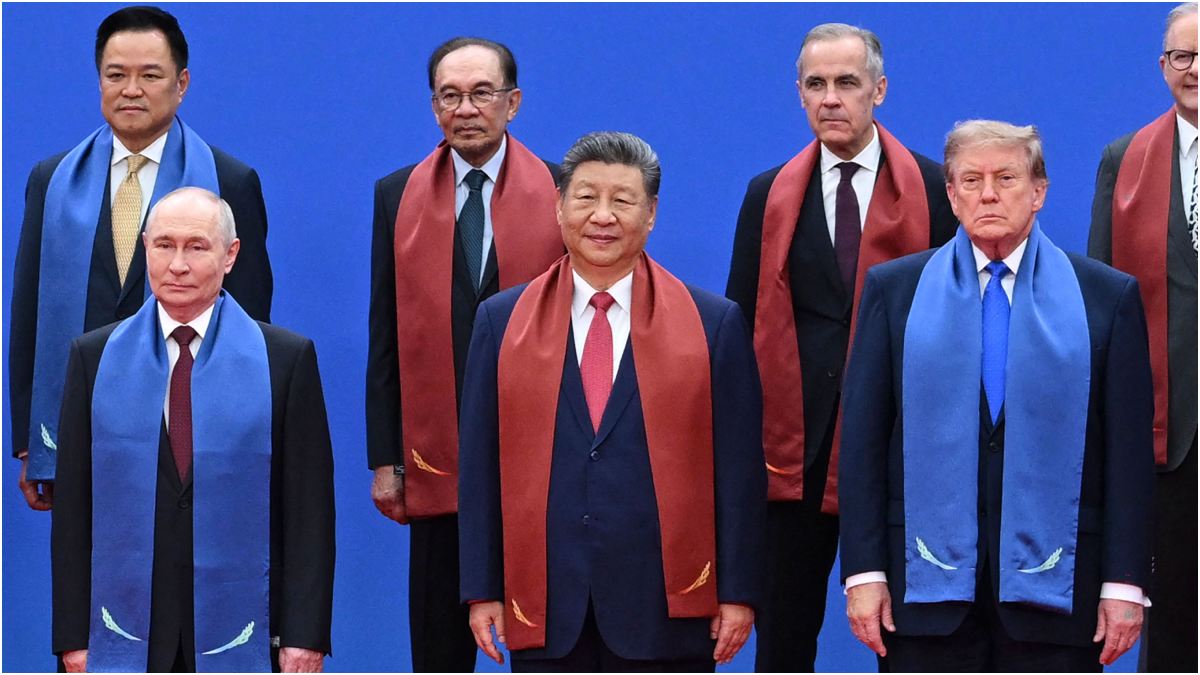
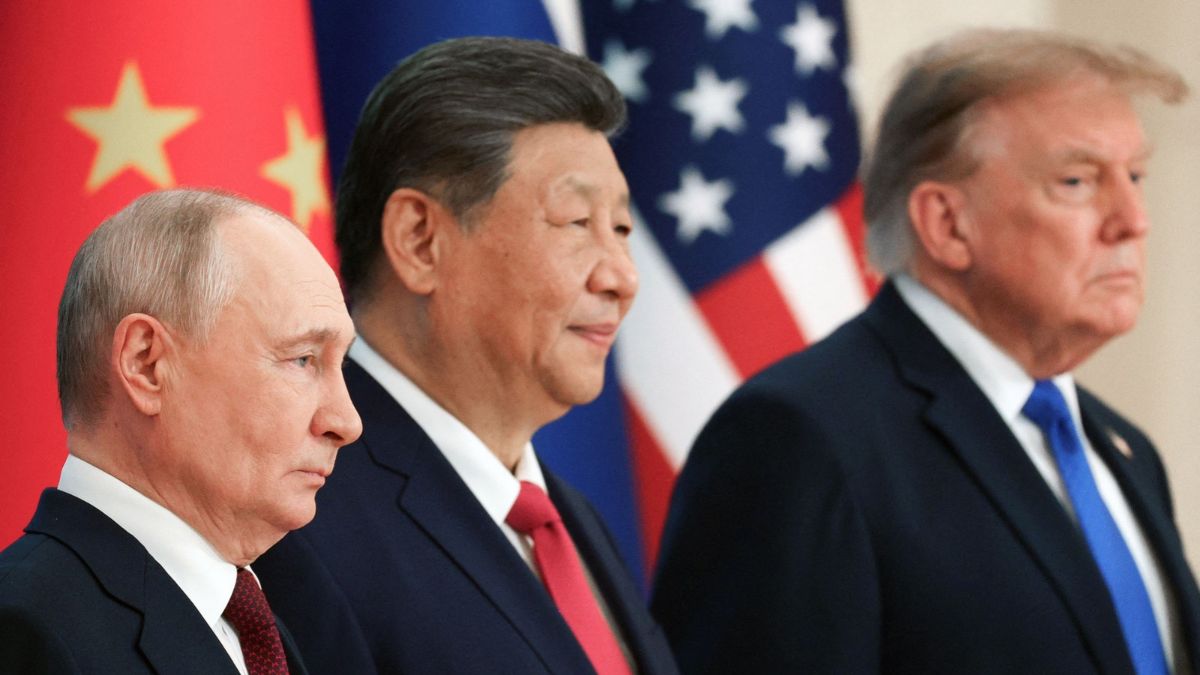
Media reports detailing a moment when Donald Trump appeared to close his eyes during a speech by Chinese President Xi Jinping ahead of a high-stakes meeting with Russian President Vladimir Putin highlight a persistent friction in international diplomacy: the collision between human physiological limits and the unforgiving theater of global statecraft. According to coverage of the event, cameras captured the U.S. leader seated with eyes shut during Xi’s address to world leaders, triggering immediate commentary across news outlets and social media platforms regarding attentiveness, stamina, and diplomatic signaling. While surface-level reporting treats such moments as isolated viral spectacles, an operational analysis reveals how summit scheduling, cognitive load, and asymmetric media framing govern modern geopolitical perception.
The Architecture of Summit Fatigue
High-level multilateral gatherings operate on compressed timelines that routinely disregard circadian biology. Delegations traverse multiple time zones within days, moving directly from long-haul flights into back-to-back bilateral meetings, plenary addresses, and working dinners. In diplomacy, physical presence is treated as a proxy for political engagement, creating an operational environment where leaders are expected to maintain continuous visual alertness under high-intensity lighting and constant camera surveillance.
From a physiological standpoint, prolonged exposure to these conditions induces acute cognitive and physical fatigue. Three primary variables drive this degradation during multilateral summits:
- Circadian Misalignment: Rapid transmeridian travel disrupts core body temperature cycles and melatonin secretion, producing predictable troughs in alertness during daytime plenary sessions.
- Passive Auditory Load: Extended diplomatic addresses—often delivered through simultaneous interpretation earpieces with flat vocal cadence—reduce external sensory stimulation, accelerating drowsiness when a participant is seated and stationary.
- Cumulative Decision Exhaustion: Prior to public plenary speeches, principals typically engage in closed-door negotiations requiring sustained executive function, leaving minimal cognitive reserve for passive ceremonial segments.
When a leader closes their eyes in this environment, observers lack the telemetry to distinguish between a micro-sleep episode, momentary eye strain under broadcast lighting, or active listening with closed eyes. Yet in international politics, visual ambiguity is rarely given a neutral interpretation.
Asymmetric Signaling in Tripolar Diplomacy
The reported incident occurred against the backdrop of interactions involving the United States, China, and Russia—a tripolar dynamic where every public gesture is scrutinized for strategic subtext. In diplomatic protocol, attentiveness during a counterpart’s formal remarks signals respect for the speaker's institutional standing, even amid sharp policy disagreements. Conversely, visible disengagement—whether intentional or physiological—can be weaponized by rival state media and domestic critics alike.
Analysts examining the coverage note two competing interpretations of how such optics function in great-power competition:
- The Vulnerability Frame: Critics and rival information outlets frame visible fatigue as evidence of diminished stamina or lack of preparation, attempting to undermine the leader's domestic political standing and project relative vigor on the part of competing heads of state.
- The Nonchalance Frame: Supporters or sympathetic commentators often reinterpret the exact same footage as a display of dominance or deliberate indifference toward a rival’s rhetoric, transforming a potential gaffe into a posture of strategic unconcern.
Neither interpretation relies on verified internal intent; both are constructed entirely from external visual cues. Because multilateral summits gather hundreds of international journalists in tightly controlled media pools, a two-second camera cut can overshadow hours of substantive closed-door negotiation.
The Mechanics of Modern Diplomatic Media Framing
To understand why brief visual moments dominate news cycles around major summits, one must examine the structural incentives of contemporary news production. Closed-door diplomatic talks—such as substantive discussions between Washington, Beijing, or Moscow—yield limited immediate transparency. Communiqués are carefully vetted, scrubbed of candid friction, and released hours after the fact.
In contrast, plenary speeches offer unrestricted live video feeds. Broadcast producers and digital editors operate under intense competition for audience attention, favoring immediate, self-contained visual narratives over complex policy breakdowns. A clip of a world leader appearing to doze off requires zero background knowledge of trade tariffs, arms control treaties, or regional security architectures to generate engagement. It reduces complex geopolitical tension into an instantly legible human moment.
This dynamic creates an asymmetry between diplomatic substance and public narrative:
- High-Substance, Low-Visibility Events: Bilateral negotiations on nuclear stability, supply chain restrictions, or territorial disputes occur behind closed doors, generating slow-moving, technical coverage.
- Low-Substance, High-Visibility Events: Seating arrangements, handshakes, facial expressions, and brief lapses in posture during ceremonial speeches dominate headlines and shape public perception of who holds the upper hand.
Operational Limitations of Visual Analysis
Relying on brief video clips to assess a leader’s strategic focus or diplomatic effectiveness introduces severe analytical blind spots. First, single-camera angles flatten spatial context; a downward gaze toward briefing notes or a translation console frequently reads on camera as closed eyes, particularly from elevated press gallery positions. Second, diplomatic principals routinely receive real-time written summaries from staff following plenary addresses, meaning momentary lapses in visual attention during a scripted speech rarely alter negotiating positions in subsequent bilateral meetings.
Third, focusing disproportionately on physical optics obscures the structural drivers of international relations. Bilateral outcomes between major powers are determined by economic leverage, military posture, domestic political constraints, and institutional alliances—not by whether a principal blinked slowly during a multilateral address. Treating viral summit clips as primary geopolitical indicators mistakes surface theater for underlying statecraft.
Managing Optics in High-Stakes Diplomacy
For diplomatic communications teams and protocol officers managing principal appearances at global summits, eliminating visual vulnerabilities requires structural adjustments to scheduling and stagecraft rather than ad-hoc media pushback. Delegations must build mandatory circadian buffer windows prior to televised plenary sessions, limit passive floor time during non-essential ceremonial speeches through strategic delegation rotation, and brief principals on camera sightlines from elevated press pools. In an information environment where every frame is permanently archived and instantly distributed, physical stamina and visual discipline must be managed with the same rigor applied to policy briefing books.