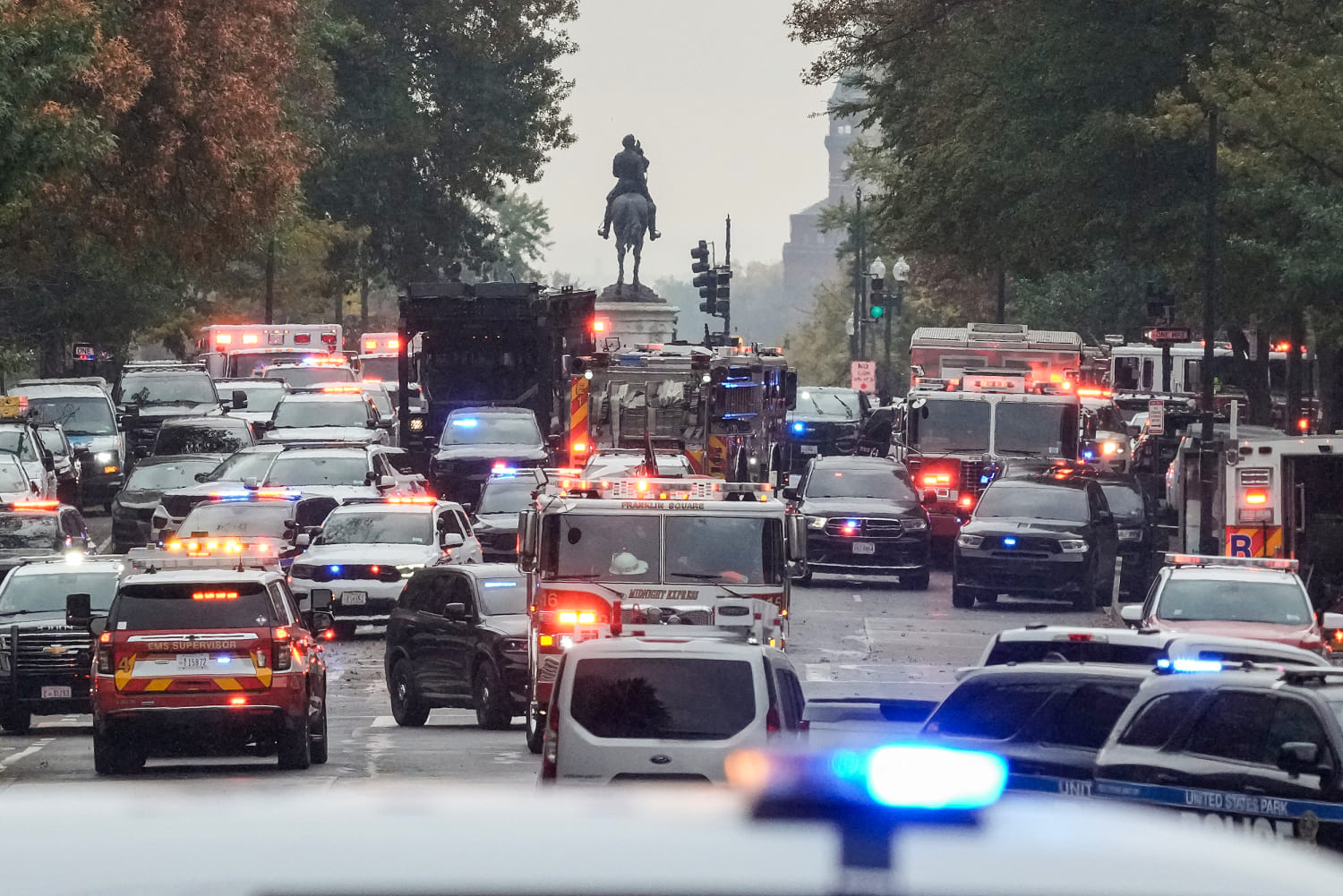
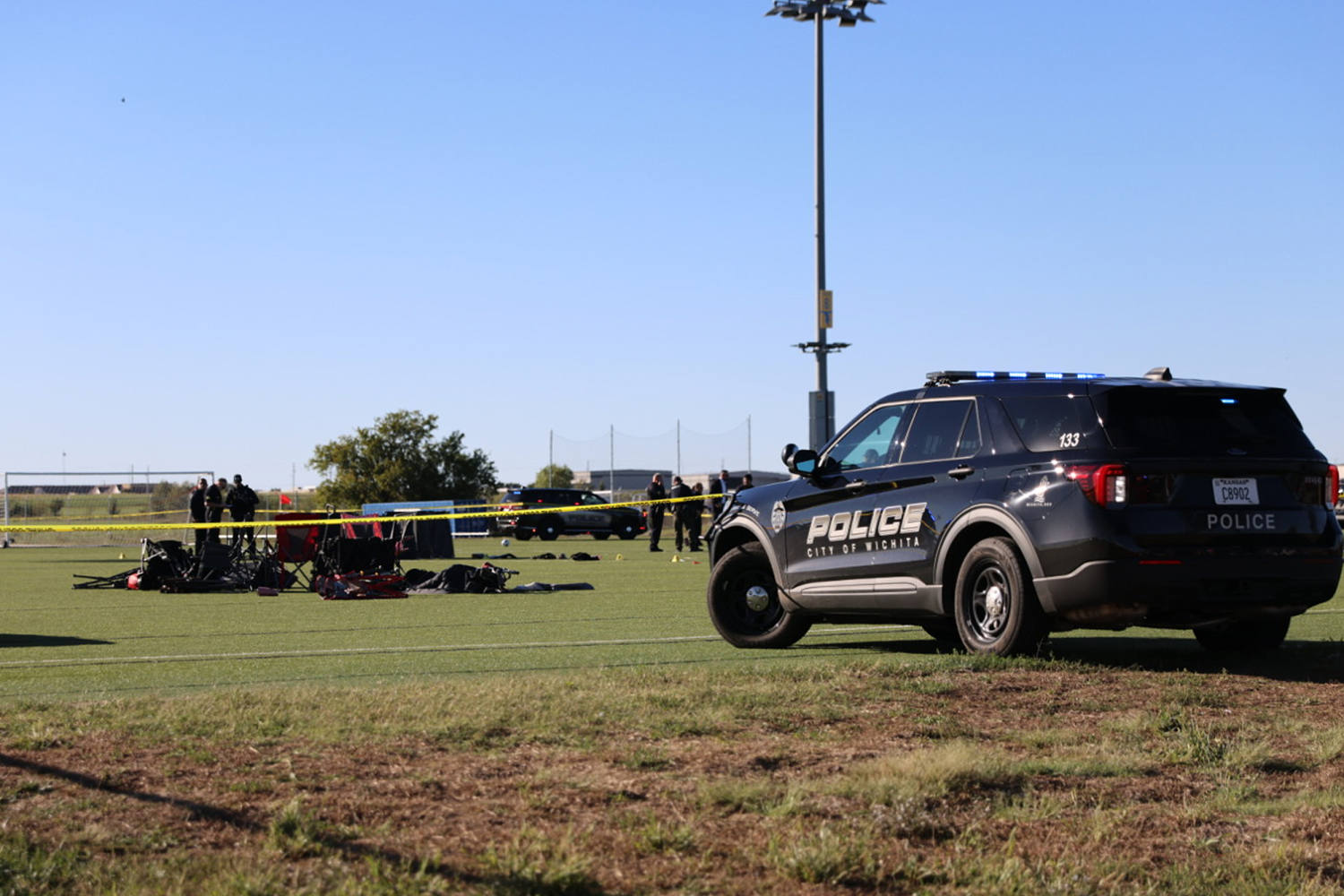
The fluorescent lights of a residential fitness center rarely signal danger. They hum above treadmills, rubber matting, and rows of dumbbells, illuminating the small, repetitive rituals people use to keep their lives in order before the workday begins or after it winds down. For the person who manages a condominium building, that room is not even a place of leisure. It is one more square foot of responsibility, one more space where broken equipment, resident complaints, and quiet maintenance converge.
And then, in Washington, D.C., gunfire broke the hum.
A gunman entered the gym of a condominium building, fatally shot the building’s manager, and then carried the violence out onto the street, opening fire on pedestrians. Those are the bare bones of the incident. In standard crime reporting, such facts arrive clipped and cold, stripped down to location, sequence, and casualty count. Yet the human cost of an event like this refuses to stay inside a police blotter. When a shooting begins inside a residential building and spills onto an open sidewalk, it tears through two of the few assumptions that make dense city life tolerable: that the people who keep our shared spaces running are safe while doing their jobs, and that walking down a familiar block is an ordinary act rather than a gamble.
The Invisible Work of Holding a Building Together
To understand what was lost inside that gym, you have to understand what a condo manager actually does. Most residents only notice the job when something goes wrong. A package goes missing. An elevator stalls between floors. A leak stains a ceiling drywall panel on a Sunday afternoon. The manager is the human shock absorber standing between hundreds of private lives and the physical machinery of a building.
Consider a hypothetical morning in the life of a residential property manager in any major city—an composite portrait drawn from how these buildings operate every day. Before eight o'clock, she has already answered three emails about noisy pipes, checked the security log at the front desk, walked the basement mechanical room, and inspected the fitness center to make sure the wipes dispenser is full and the elliptical machines are powered on. She knows which resident is recovering from knee surgery, which elderly tenant needs help carrying groceries from the lobby, and which contractor has been putting off a roof repair. None of that shows up on a municipal map. Yet without it, a multi-unit building stops feeling like a community and starts feeling like an indifferent concrete box.
That is why the killing of a condo manager inside the building’s own gym lands with a particular kind of ache. Workplace violence in residential properties rarely draws the sustained public attention reserved for large corporate towers or transit hubs. People picture apartment and condominium buildings as sanctuaries, insulated from the friction of the outside world by key fobs, call boxes, and glass doors. In reality, residential staff occupy a vulnerable middle ground. They work inside private spaces that function like small towns, mediating disputes over parking spaces, noise, rules, and money, often face-to-face and often alone.
When Violence Crosses the Threshold
What happened next in D.C. shifted the terror from an enclosed room to the open air. After shooting the manager inside the gym, the gunman moved outside and fired on pedestrians.
Pause on that transition for a second.
Inside a building, violence feels targeted, even when its motive remains unclear to the public. Outside on the sidewalk, the boundary disappears entirely. A pedestrian has no relationship to a building dispute, no connection to a workplace grievance, no warning that a private eruption has just spilled through a lobby door. One moment someone is checking a phone, walking a dog, or heading toward a coffee shop; the next, the geometry of the street turns hostile. Parked cars become cover. Storefronts become locked barriers. The sound of gunfire bounces off brick and glass so sharply that people two blocks away cannot tell whether the shots are coming from behind them or ahead.
Anyone who has ever been near a sudden street shooting remembers the sensory confusion before the fear even registers. Sound loses its direction. Sirens arrive from everywhere at once. Strangers who never make eye contact on an ordinary afternoon suddenly grab one another’s arms and pull each other behind concrete planters or into hallways. Afterward, the neighborhood looks identical—the same trees, the same crosswalk paint, the same glass doors—yet every person who stood on that block carries a new, unwanted map of sightlines and exits in their head.
Public safety experts and criminologists have long observed that shootings spilling from indoor spaces onto public streets produce a distinct ripple effect across urban neighborhoods. Even when the total number of victims is small compared to large-scale mass shootings, the randomness of firing at passersby breaks the unspoken social contract of city streets. Cities work because millions of strangers implicitly agree to pass within arm's reach of one another without harm. When bullets cross a sidewalk, that agreement fractures in real time.
The Questions a Neighborhood Asks in the Dark
In the hours after a shooting like this, residents and neighbors always ask the same urgent questions, though rarely in neat, clinical language. They want to know how an armed person got into a residential gym in the first place. They want to know whether the victim was targeted or caught in an unprovoked attack. They want to know why a shooter who had already killed someone inside a building kept firing once he reached the street.
Those questions are not idle curiosity. They are attempts to restore order to something senseless. If a shooting was tied to a specific personal conflict, neighbors tell themselves, perhaps the danger ended when the gunman left the building. If the gunfire on the sidewalk was indiscriminate, then no amount of caution could have protected someone simply walking past at the wrong minute. Law enforcement investigations trace shell casings, security footage, access logs, and witness statements to answer those exact questions, separating targeted violence from erratic escalation.
Yet even before investigators piece together a motive, the structural vulnerabilities are plain to see. Residential buildings across Washington, D.C., and other major cities have spent years upgrading digital conveniences—mobile app entry systems, package lockers, automated maintenance portals—while leaving frontline staff exposed to unscreened foot traffic and solitary patrols. A fitness center on a lower floor or near a courtyard entrance can be an easy point of access if a door is propped open, a fob is shared, or a tailgater slips in behind a resident. What feels like minor neighborly courtesy—holding a heavy glass door open for someone walking behind you—can undo thousands of dollars of access control in two seconds.
The Quiet Aftermath Nobody Photographs
News cameras leave once the yellow tape comes down and the street reopens to traffic. The municipal crews wash the sidewalk. The building management company sends a carefully worded notice to residents expressing grief, offering counseling resources, and promising a review of security protocols.
Inside the building, however, the absence lingers in ways outsiders never see.
Someone has to unlock the office the next morning. Someone has to answer the phones when residents call in tears or anger. Someone has to walk past the gym doors, look at the treadmills sitting idle under the same fluorescent lights, and figure out how to keep a building running while mourning the person who used to know where every spare key was kept. Maintenance technicians, front-desk concierges, and property managers across the city read headlines like this with a quiet jolt of recognition, because they know how often they walk into an empty amenity room alone, trusting that the door behind them only opens for people who belong there.
And out on the sidewalk, the pedestrians who ducked behind cars or sprinted into neighboring lobbies carry their own quiet residue. For weeks afterward, a backfiring delivery truck or a dropped metal crate makes shoulders flinch. People glance twice at doors opening onto the pavement. They take a slightly different route home, even if they cannot quite explain why.
A single headline can compress an entire afternoon of terror into eleven words: a gunman, a condo manager, a gym, pedestrians, gunfire. What those eleven words leave out is the fragile web of ordinary trust that holds a residential block together—and how long it takes for a neighborhood to feel at home in its own skin again once that trust has been shot through.