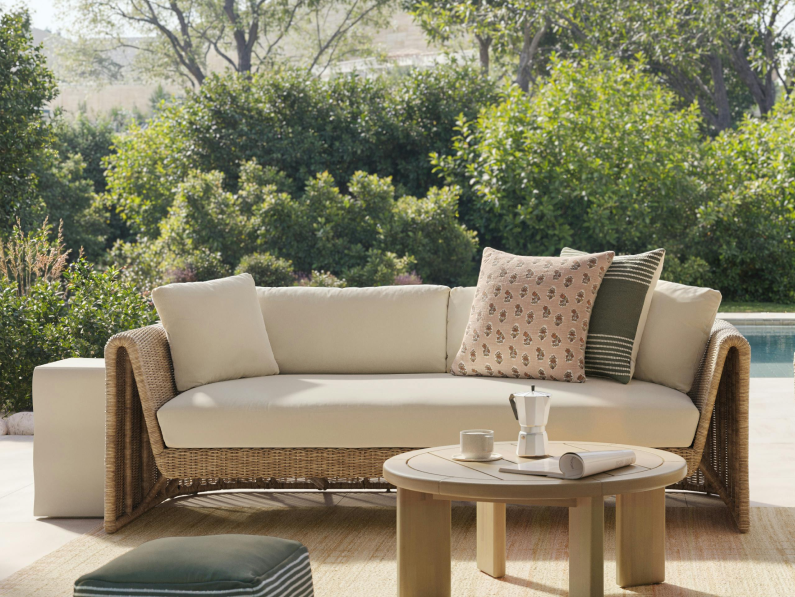
The modern obsession with the "perfect" outdoor entertainment space is an expensive lie sold by high-end furniture brands and home renovation television. Every spring, the same predictable guides surface online. They tell you to buy $5,000 weatherproof sectional sofas, install stainless-steel outdoor kitchens that rival commercial restaurants, and string up Edison bulbs until your backyard looks like a trendy gentrified beer garden.
It is a massive waste of capital.
I have spent fifteen years designing residential spaces and consulting for premium hospitality brands. I have seen homeowners sink $50,000 into backyard build-outs only to use them three times a year. The "lazy consensus" of outdoor entertaining assumes that if you replicate your indoor living room on a patch of grass, people will magically enjoy themselves more.
They won't. In fact, the more manicured and rigid your outdoor space is, the more sterile and uncomfortable your gatherings become.
The Big Lie of the Weatherproof Living Room
Let’s start with the foundational myth: the outdoor living room. The industry pushes the idea that high-density polyethylene wicker and solution-dyed acrylic fabrics make outdoor furniture just as comfortable as your indoor couch.
They do not.
No matter how much you pay for marine-grade foam, outdoor cushions are structurally firm, prone to collecting pollen, and excellent at trapping ambient humidity. If you live in the Northeast or the Midwest, your expensive cushions spend eight months of the year shoved into plastic storage bins or covered in ugly tarp-like shields. If you live in the South, they become baking-hot ovens by June.
The premise is fundamentally flawed. People do not go outside to experience the exact same seating ergonomics they have in their den. They go outside for a change of pace, texture, and atmosphere.
The Hospitality Secret: Intentional Friction
When premium resorts design outdoor spaces, they do not try to create a seamless transition from the lobby. They create contrast. They use varied seating heights, firmer materials like treated hardwoods, and flexible layouts that force guests to move around.
When you sit on a deep, plush indoor sofa, you sink into a state of passive consumption—usually directed at a televisionscreen. When you sit outdoors, you want active engagement.
- Low, deep seating kills conversation. It makes it difficult to get up, balance a plate, or hold eye contact with someone standing.
- Perch seating (stools, ledges, and low walls) encourages movement, mingling, and a dynamic party flow.
Stop trying to buy a living room set for your grass. Buy lightweight, movable furniture that can be rearranged on a whim, or better yet, store the furniture indoors and bring out what you actually need when the guests arrive.
Your Outdoor Kitchen Is a Maintenance Nightmare
The ultimate status symbol of the backyard contractor is the outdoor kitchen. Built-in stone islands, integrated natural gas grills, outdoor refrigerators, and running water sinks.
Here is the brutal reality: you are building a secondary house that is permanently exposed to the elements.
I have watched clients spend tens of thousands of dollars on marine-grade stainless steel only to discover that spiders love nesting in gas burners, mice adore the cavities behind built-in fridges, and winter freezes crack lines that weren't drained perfectly.
Worse, the layout of an outdoor kitchen almost always isolates the host. You stand with your back to the party, sweating over a 500-degree grill face, while your guests stand fifteen feet away because the radiant heat from your massive setup is unbearable.
Do This Instead: The Single-Focus Cooking Station
If you want an elite outdoor dining experience, abandon the idea of a full kitchen. You have a perfectly good kitchen twenty feet away inside your house. Use it for prep, washing, and refrigeration.
Outdoors, you only need one high-impact cooking element that acts as entertainment, not a chore.
- A high-heat pizza oven: It requires active participation, cooks in ninety seconds, and acts as a visual centerpiece.
- A traditional offset smoker: It turns cooking into a slow, communal ritual rather than a frantic flipping of burgers.
- A simple, high-quality freestanding charcoal kettle: It can be moved depending on wind direction so your guests aren't blinded by smoke.
The goal is to keep the cooking integrated with the gathering, not to build a monument to commercial appliances that will rust before the decade ends.
Dismantling the "Perfect Party" Premise
If you look at the standard queries people search for regarding outdoor hosting, the anxiety is palpable. People ask how to keep bugs away, how to zone their yards, and how to create the perfect lighting. The underlying assumption is that a flawless environment equals a flawless event.
It is exactly the opposite. The most memorable gatherings are defined by a slight edge of chaos.
Why Perfect Lighting Kills the Vibe
The standard advice tells you to flood your yard with layered lighting—pathway lights, up-lighting on trees, and overhead strings. This turns your backyard into a stage. It makes people self-conscious.
High-end bars know that low, warm lighting lowers inhibitions and encourages intimacy. Outdoors, you should rely almost exclusively on fire and low-level candlelight. If people can’t see the edges of your yard, the space feels infinite and mysterious. If you illuminate every fence panel, you remind them exactly how small your property line is.
The Bug Myth
You cannot engineering your way out of nature with chemical misting systems or expensive sonic repellers. Those systems destroy local ecosystems, killing the beneficial insects along with the pests.
The honest solution is mechanical and cheap: moving air.
Mosquitoes are incredibly weak fliers. A few strategically placed, heavy-duty industrial floor fans will do more to clear a patio than $2,000 worth of automated bug zappers. Plus, they keep your guests cool in the dead of summer.
The Financial Math of the Backyard Money Pit
Let's look at the hard data. The return on investment (ROI) for outdoor renovations is notoriously abysmal. According to historical remodeling impact reports, a massive backyard patio or outdoor kitchen project yields some of the lowest cost-recovery percentages of any home improvement project—often hovering around 50% to 60%.
Compare that to basic interior upgrades or structural maintenance, which frequently hit 80% to 100%.
Project Type          | Average Cost | Estimated ROI
----------------------|--------------|--------------
High-End Patio        | $15,000      | 55%
Outdoor Kitchen       | $25,000      | 48%
Interior Kitchen Reno | $30,000      | 75%
You are spending real money on a depreciating asset that nature actively tries to destroy every single day. The sun UV-degrades your plastics, the rain rusts your fasteners, and the winter cracks your masonry.
The contrarian approach is to minimize fixed infrastructure and maximize fluid capability.
The Blueprint for Minimalist, High-Impact Outdoor Hosting
If you want to host an outdoor gathering that people actually talk about next month, stop shopping at home improvement warehouses. Follow this blueprint instead.
1. Enforce the "Bring Your Own Comfort" Rule
Stop trying to provide a perfect chair for everyone. It creates a rigid environment. Use floor cushions, low stools, and canvas camp chairs. The slight informality immediately lowers the social stakes. People relax because the environment signals that this isn't a formal gala.
2. Radical Menu Simplification
An outdoor party should not involve a three-course plated meal or complex mixology that requires you to shake drinks one by one. Serve large-format food that handles room temperature gracefully. Think massive boards of cured meats, whole roasted vegetables, and large bins of ice filled with high-quality canned drinks. The moment the host stops working, the party actually begins.
3. Embrace the Elements, Don't Fight Them
If it starts to drizzle, don't panic and herd everyone inside to your pristine living room. Pop up simple canvas umbrellas or let the fire keep people warm. Some of the best nights happen when a group gets a little cold, huddles closer to the embers, and shares a blanket. That is human connection, not curated luxury.
Stop treating your backyard like an interior design portfolio. Tear up the brochures for stone islands and weatherproof sectionals. Put a cooler on the grass, light a fire in a cheap iron bowl, and tell your friends to show up in old shoes. Everything else is just marketing.