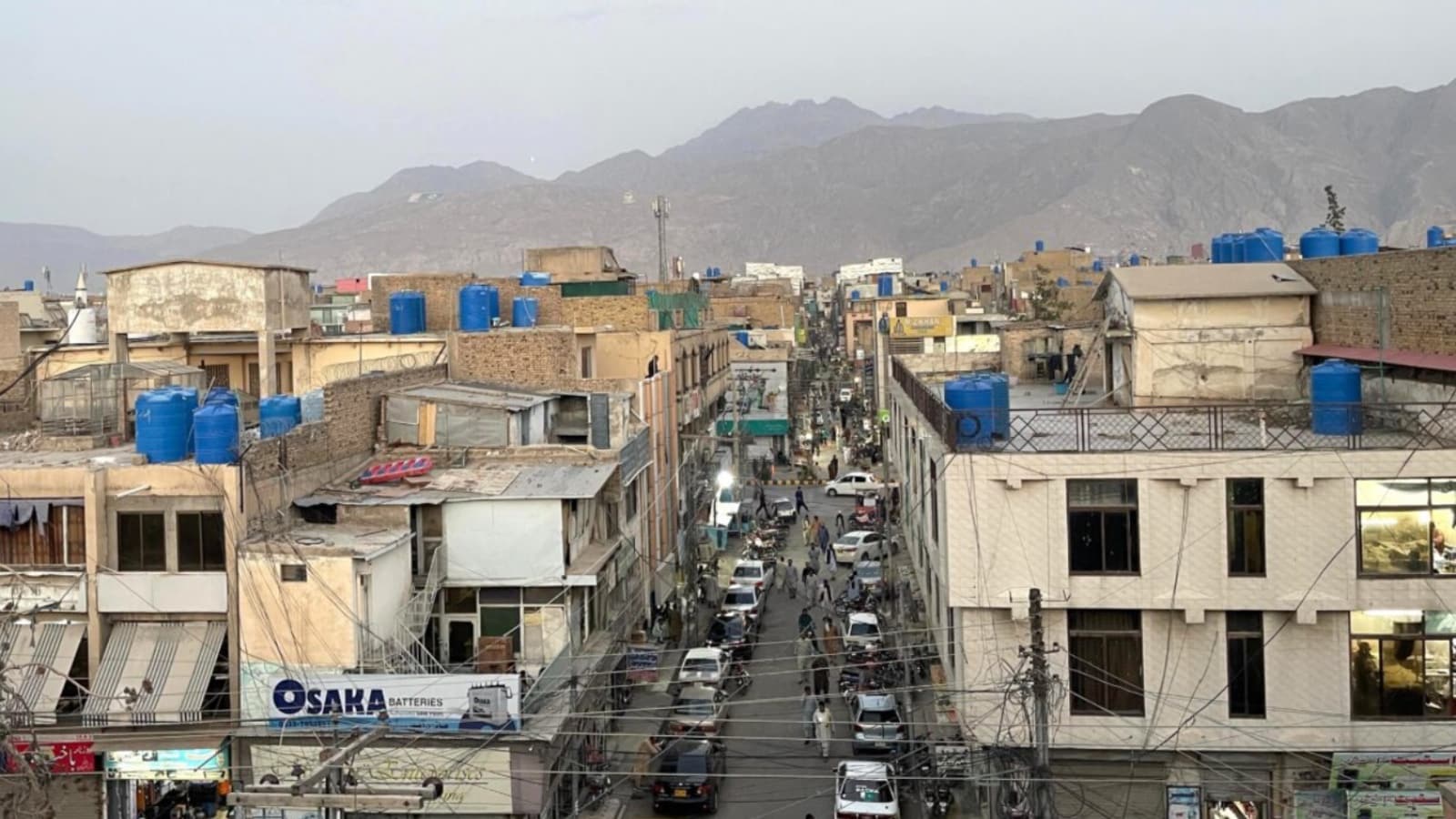
Pakistan just dropped a massive body count in its most unstable province. Over the last week, security officials reported that 109 terrorists were killed across Balochistan. A joint force of the Pakistan Army, Frontier Corps, and local police hit back hard following a string of brutal insurgent strikes. The centerpiece of this heavy-handed push is Operation Shaban, which kicked off on July 7, 2026.
If you look at the raw numbers, the military wants you to think they're winning. But anybody who understands the geography and political history of Balochistan knows that body counts don't equal victory. This isn't a new war. It's a cyclical, decades-long conflict that Islamabad keeps trying to solve with bullets instead of basic governance.
The Trigger Behind Operation Shaban
The latest military escalation didn't happen in a vacuum. On July 5, militants launched a coordinated assault that struck right at the infrastructure of the provincial capital, Quetta. Insurgents ambushed a police post at the Mangi dam pumping station—a critical facility that supplies drinking water to the city. By the time the smoke cleared, 27 police officials were dead or abducted.
The state response was immediate and furious. Operation Shaban focused heavily on the rugged Shaban areas of the Quetta district, utilizing both ground troops and air support. Interior Minister Mohsin Naqvi praised the combined actions of the army and police, stating that there's no room for militant elements in the country.
But behind the official praise lies an incredibly messy reality. The families of the slain officers didn't just accept their loss. They staged a massive sit-in protest at Koila Phatak Chowk on the outskirts of Quetta. They refused to bury their dead until the state promised real protection and justice. When your own law enforcement families lose faith in the security apparatus, a high enemy body count doesn't mean much.
The Deeper Corporate and Ethnic Fault Lines
Why does Balochistan keep exploding? The Pakistani government routinely blames external actors, pointing fingers at cross-border sanctuaries in Afghanistan or alleging foreign intelligence backing. While regional proxy dynamics are real, the core of the problem is internal.
Balochistan is Pakistans largest province by landmass, yet it remains the least populated and most impoverished. It sits on top of massive mineral wealth, including natural gas, gold, and copper. Local ethnic Baloch groups argue that the federal government treats the region like a resource colony.
The tension has only worsened with the multi-billion-dollar China-Pakistan Economic Corridor (CPEC). Gwadar port, the crown jewel of CPEC, sits right on the Baloch coast. Yet, locals look around and see heavy military checkpoints, Chinese engineers living in fortified compounds, and virtually no improvement in their own daily lives. Clean water is scarce, electricity is a luxury, and jobs are non-existent.
This deep economic alienation makes recruitment easy for groups like the Balochistan Liberation Army (BLA). When young people feel they have no future and no voice, a rifle feels like the only option left.
The Core Defect in Islambads Strategy
The Pakistani military relies on a predictable playbook. An attack happens, the state suffers a humiliating loss, and the army launches a heavily marketed counter-offensive. Earlier this year in January, they ran an operation called Radd-ul-Fitna-1 after a series of coordinated strikes. They claimed over 200 militants were eliminated in that push alone.
Now, just five months later, we're seeing the exact same headlines with Operation Shaban.
This brings us to the hard truth that security analysts keep trying to tell the federal government: you can't shoot your way out of a political grievance. Killing 109 insurgents might degrade their immediate operational capacity, but it doesn't dismantle the underlying anger that creates new insurgents tomorrow. Heavy collateral damage, forced disappearances, and the alienation of local tribes only feed the cycle.
If Pakistan wants genuine stability in its western frontier, it has to shift away from purely kinetic operations.
- Enact genuine profit-sharing: Revenue from Gwadar and local mining projects must directly fund schools, hospitals, and clean water infrastructure in Balochistan.
- Empower local police: Relying on paramilitary forces like the Frontier Corps alienates locals. Building a trusted, locally-recruited police force creates better intelligence and community trust.
- De-escalate the political crackdown: Allow peaceful political expression and address the long-standing issue of missing persons to take away the insurgents' main rhetorical weapon.
Until Islamabad addresses the political marginalization of the Baloch people, these military operations are just temporary band-aids on a bleeding wound. The guns might go silent around Quetta for a few weeks, but without structural reform, another operation with another code name is always just around the corner.