When a massive 7.7-magnitude earthquake and its aggressive follow-up tremors ripped through Panama, the ground didn't just shake—it exposed how quickly a localized tectonic rupture can disrupt an entire nation. Most people assume Central America's seismic drama is entirely concentrated near Costa Rica or deep offshore trenches. But the October event changed that narrative by striking closer to home in the Azuero Peninsula and triggering over a thousand documented aftershocks.
If you're wondering why this specific sequence caused such widespread anxiety, you have to look past the initial USGS data. Let's break down what actually happened, why the aftershocks lingered for weeks, and what this means for regional infrastructure moving forward.
The Tectonic Reality Behind the Tremors
Panama sits within a complex puzzle of tectonic plates, primarily influenced by the Cocos, Nazca, and Caribbean plates. While major international agencies initially pinned the main shock at a staggering 7.7 magnitude, local groups like the University of Panama's Institute of Geosciences recalibrated it to a 7.5 following a deep dive into regional data.
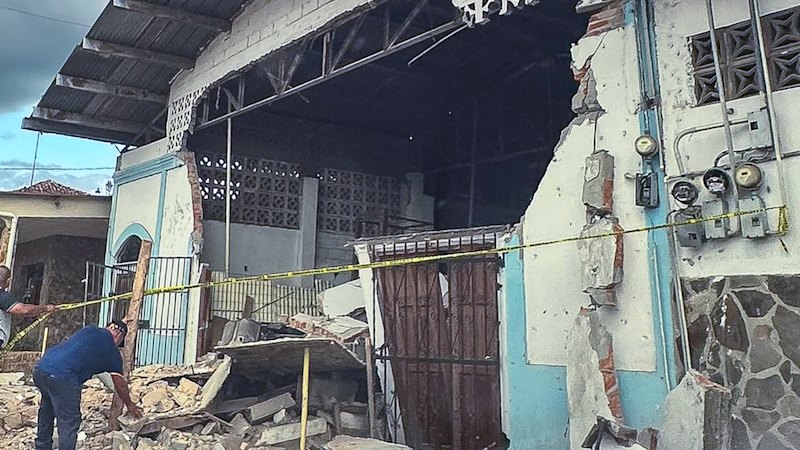
The epicenter hit roughly near Tonosí in the Los Santos province. Because the rupture activated local fault systems like the Azuero-Tonosí network, the energy released didn't dissipate quietly. Instead, it reverberated through provinces like Coclé, Veraguas, Herrera, and Los Santos, cracking historical structures like the Church of San Atanasio and splitting rural roadways.
Why the Aftershocks Refused to Stop
A single large earthquake is terrifying enough. The real psychological toll, however, comes from what happens next. Seismologists tracking the sequence noted an extraordinary swarm of aftershocks—surpassing one thousand recorded secondary movements in the weeks following the main event.
Why do these keep happening? When a massive block of the earth's crust slips, it instantly transfers immense stress to adjacent fault segments. The crust spends weeks or even months trying to settle back into equilibrium. While many of these aftershocks were micro-tremors, substantial secondary jolts kept emergency responders on high alert.
This creates a compounding hazard. Buildings already weakened by the initial shock can suffer progressive structural failure during a moderate 5.8 or 6.1 aftershock days later. For residents living through the sequence, the endless rolling motion turns everyday life into an exercise in hyper-vigilance.
Infrastructure Resilience and the Panama Paradox
One of the most striking elements of the Panama seismic crisis was the absence of widespread fatalities despite the high magnitude. How did a 7.7 earthquake leave behind structural damage and injuries without a massive death toll?
Strict building codes play a massive role here. Panama City's forest of modern skyscrapers is engineered to flex and absorb seismic energy, largely escaping major damage while rural masonry and older colonial heritage sites bore the brunt of the devastation. Furthermore, critical economic drivers like the Panama Canal managed to resume standard operations quickly after mandatory emergency inspections, preventing an absolute economic standstill.
At the same time, regional airports temporarily paused operations, and provincial hospitals had to temporarily evacuate patients into parking lots as a precaution. It's a reminder that engineering standards can protect high-rise urban cores while leaving rural towns vulnerable to compromised lifelines.
Practical Takeaways for Seismic Zones
Living through or near active fault lines requires more than just hoping for the best. If you find yourself navigating a region prone to high-magnitude tectonic shifts, several hard-earned lessons apply directly:
- Secure heavy indoor items: Most earthquake injuries don't come from collapsing ceilings in modern builds; they come from falling bookshelves, unanchored televisions, and flying glass. Bolt your heavy furniture to wall studs today.
- Ignore panic-driven social media: In the hours following a major quake, misinformation spreads faster than seismic waves. Rely exclusively on official civil protection bulletins and local geological institutes for updates.
- Understand your building's weak points: Know whether you live in a modern engineered structure designed for lateral loads or an older masonry building that requires immediate structural clearance after a major tremor.
Stay alert, keep emergency packs updated, and respect the raw power of active crustal faults.