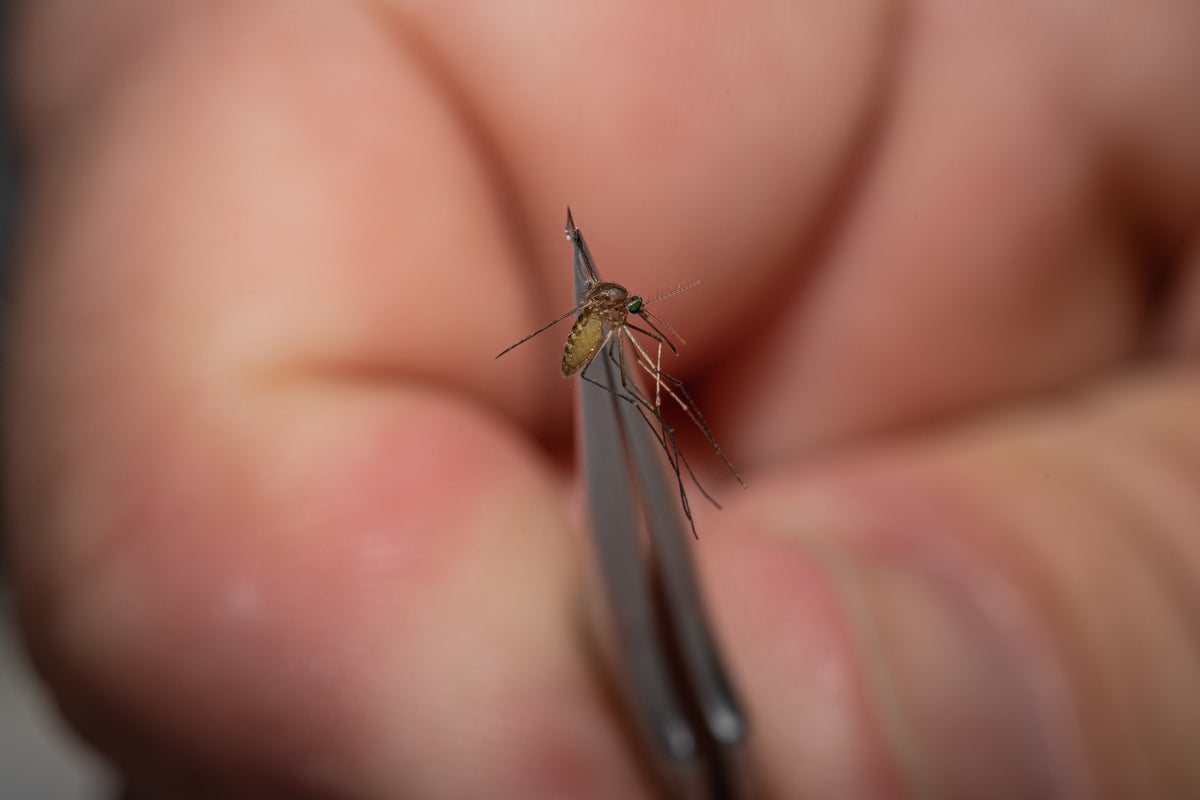
A microscopic parasite is quietly spreading across the United States right now, and it is making thousands of people miserable. The Centers for Disease Control and Prevention just updated its tracking data, confirming that a massive outbreak has expanded to 31 states. We are talking about Cyclospora cayetanensis, a nasty little organism that triggers a severe gastrointestinal illness known as cyclosporiasis. Public health officials are sounding the alarm because the case counts are spiking fast.
Most news coverage focuses entirely on the shocking phrase the CDC uses to describe the primary symptom: "explosive bowel movements." While that gets clicks, it completely misses the bigger picture of how this parasite operates, why it is so incredibly difficult for investigators to track, and what you actually need to do to protect yourself.
The current numbers are sobering. As of July 2026, the CDC has officially logged 843 laboratory-confirmed cases that were acquired domestically since May 1. But that is just the tip of the iceberg. The agency admits it is currently reviewing more than 1,500 additional suspected cases. State health departments, which often have more immediate data than federal agencies, are reporting even higher numbers. Michigan alone has been absolutely slammed, reporting over 1,500 cases and 44 hospitalizations. New York is chasing close behind with nearly 300 cases, while Ohio has logged 177 and Illinois has reported 141. So far, 86 Americans have been hospitalized across the country, primarily dealing with severe dehydration. Luckily, no deaths have been reported.
The Ghost in the Salad Bowl
You cannot see Cyclospora. It is microscopic. It enters the food supply when fresh produce or water becomes contaminated with human feces containing the parasite. This is not a pleasant thought, but it is the raw reality of foodborne illness.
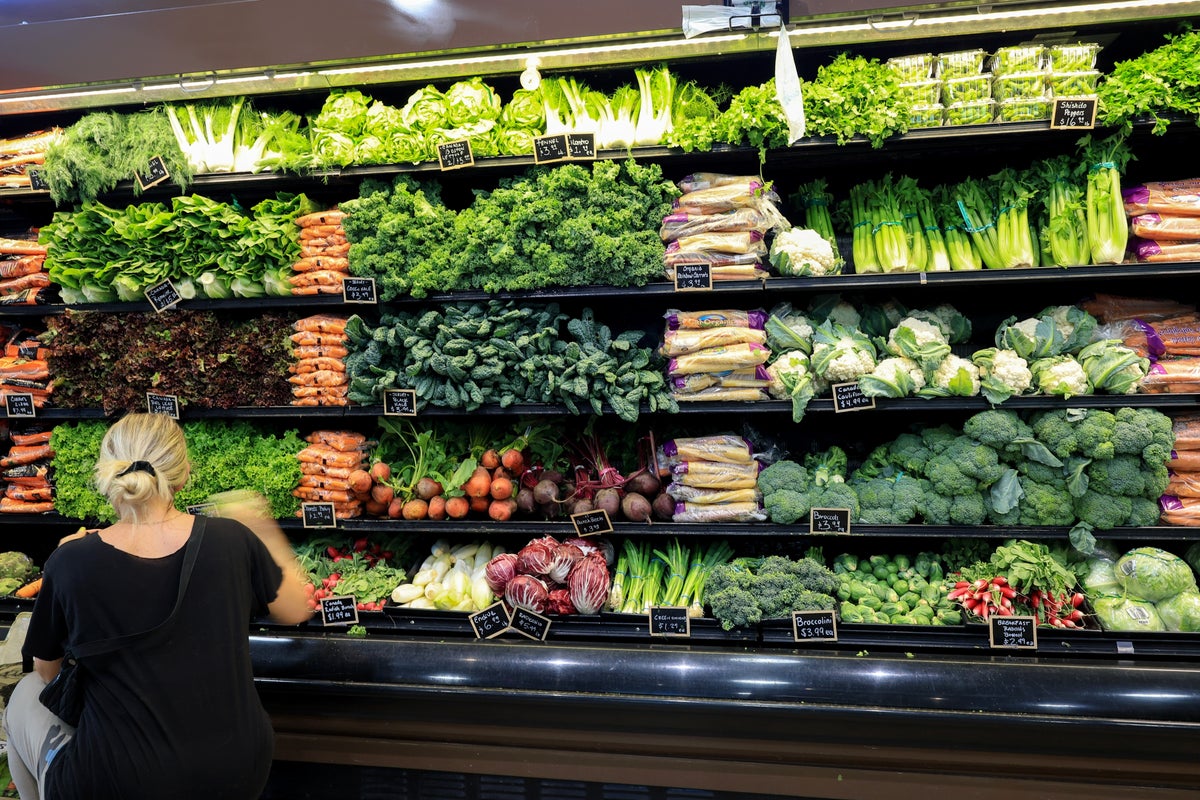
People assume that if a food looks clean and comes from a high-end grocery store, it is safe. That is a dangerous mistake. Cyclospora outbreaks are almost always tied to fresh, raw produce. In past years, investigators traced outbreaks back to bagged salad mixes, pre-cut lettuce blends containing romaine or iceberg, fresh cilantro, basil, raspberries, snow peas, and green onions.
Right now, federal and state investigators are working frantically to pinpoint the exact food item causing this specific summer surge. They have not found it yet. The Michigan Department of Health and Human Services openly stated that no specific grower, supplier, or type of produce has been identified as the source.
This tracking delay happens because Cyclospora has a maddeningly long incubation period. After you swallow the parasite, it usually takes about a week for symptoms to kick in. Sometimes it takes two days; sometimes it takes more than two weeks. Think about what you ate for lunch exactly 10 days ago. Could you list every raw herb, piece of lettuce, or garnish on your plate? Probably not. That memory lag makes it incredibly difficult for public health teams to interview sick patients and find the common denominator.
Why Your Standard Stomach Flu Guess is Wrong
Many people who catch Cyclospora think they just have a standard case of food poisoning or a 24-hour stomach bug. They stay home, drink some water, and wait for it to pass. That is a mistake that leads to weeks of needless suffering.
A typical viral stomach bug runs its course in two or three days. Cyclospora does not play by those rules. If you do not get the right treatment, this infection can drag on for weeks or even months. The illness is notorious for a relapsing pattern. You might feel terrible for four days, start to feel better, think you are finally cured, and then wake up the next morning right back at square one.
The symptom list is extensive and exhausting:
- Frequent, watery, and sometimes explosive diarrhea
- Intense stomach cramps and painful bloating
- Complete loss of appetite and rapid weight loss
- Chronic nausea and extreme fatigue
- A persistent, low-grade fever
The fatigue and weight loss can be profound. Because the parasite takes up residence in your small intestine, it disrupts your body's ability to absorb nutrients. You are not just losing fluids; you are starving your body of fuel.
The Secret Medical Hurdle to Getting Diagnosed
If you go to a walk-in clinic or your primary care doctor with terrible diarrhea, they will likely order a routine stool test. Here is the catch: a standard stool test will completely miss Cyclospora.
The parasite requires a highly specific laboratory test. Doctors must explicitly request a Cyclospora test or order a specialized gastrointestinal PCR panel that includes it. Because the parasite is shed irregularly in stool, lab technicians sometimes need multiple samples collected on different days just to find it.
Many doctors do not routinely test for it because it is a seasonal issue. The outbreak season typically peaks between May 1 and August 31. This matches the timeline of global fresh produce harvests and summer eating habits. Dr. Natasha Bagdasarian, Michigan's chief medical executive, noted that the current massive spike in reported cases is partly due to increased awareness. Health departments sent urgent alerts to healthcare providers in early summer. Now that doctors know the parasite is circulating heavily, they are finally ordering the right tests.
If you have been dealing with watery diarrhea for more than a few days, do not just ask for a generic test. Demand that your doctor specifically check for Cyclospora.
The Myth of the Quick Rinse
Let's debunk a massive piece of misinformation. You cannot just run your cilantro under the kitchen faucet for three seconds and assume the parasite is gone.
Cyclospora is remarkably sticky. The parasite clings tightly to the ridges, folds, and microscopic crevices of leafy greens, herbs, and berries. Standard chemical sanitizers used in commercial food processing often fail to kill it. Rinsing with plain water helps remove loose dirt and reduces the overall parasitic load, but it does not guarantee safety.
Because of this, health officials in heavily impacted areas like Michigan are giving advice that sounds drastic to food lovers. They are telling commercial kitchens and residents to cook foods like raspberries and leafy greens whenever possible. They also advise removing the entire outer layers of lettuce heads and green onions before use.
Cooking food to a temperature of 158°F (70°C) or higher completely destroys the parasite. Of course, nobody wants to eat a cooked romaine salad or boiled raspberries. If you insist on eating these foods raw during a major outbreak, you have to accept a baseline level of risk.
Concrete Steps to Protect Your Kitchen
You do not need to panic, but you do need to alter your kitchen habits until the CDC identifies the contaminated source and pulls it from shelves.
First, change how you wash produce. Do not just rinse. Scrub firm fruits and vegetables with a clean produce brush under running water. For delicate items like cilantro or spinach, submerge them in a clean bowl of water, agitate them vigorously to dislodge debris, and then rinse them thoroughly under running water. Dry them with a clean paper towel.
Second, pay attention to cross-contamination. Wash your hands with warm water and soap for at least 20 seconds before and after handling fresh produce. Thoroughly clean your cutting boards, countertops, and knives with hot, soapy water after preparing raw fruits and vegetables.
Third, consider buying whole heads of lettuce instead of pre-washed bagged salad kits. Bagged salad mixes combine greens from multiple different fields and farms. If a single leaf from one farm is contaminated, it can ruin an entire batch of thousands of bags. Buying a whole head of lettuce allows you to peel off and discard the dangerous outer leaves entirely, significantly cutting down your exposure.
Fourth, keep a food log if you start feeling slightly off. Note the brands, grocery stores, and restaurants where you bought fresh produce. If you end up becoming part of the outbreak statistics, that log will be gold for the local health department trying to stop the spread.
This outbreak is going to keep growing through August. Take care of your food prep, watch your symptoms, and do not hesitate to call a doctor if your stomach takes a turn for the worse.