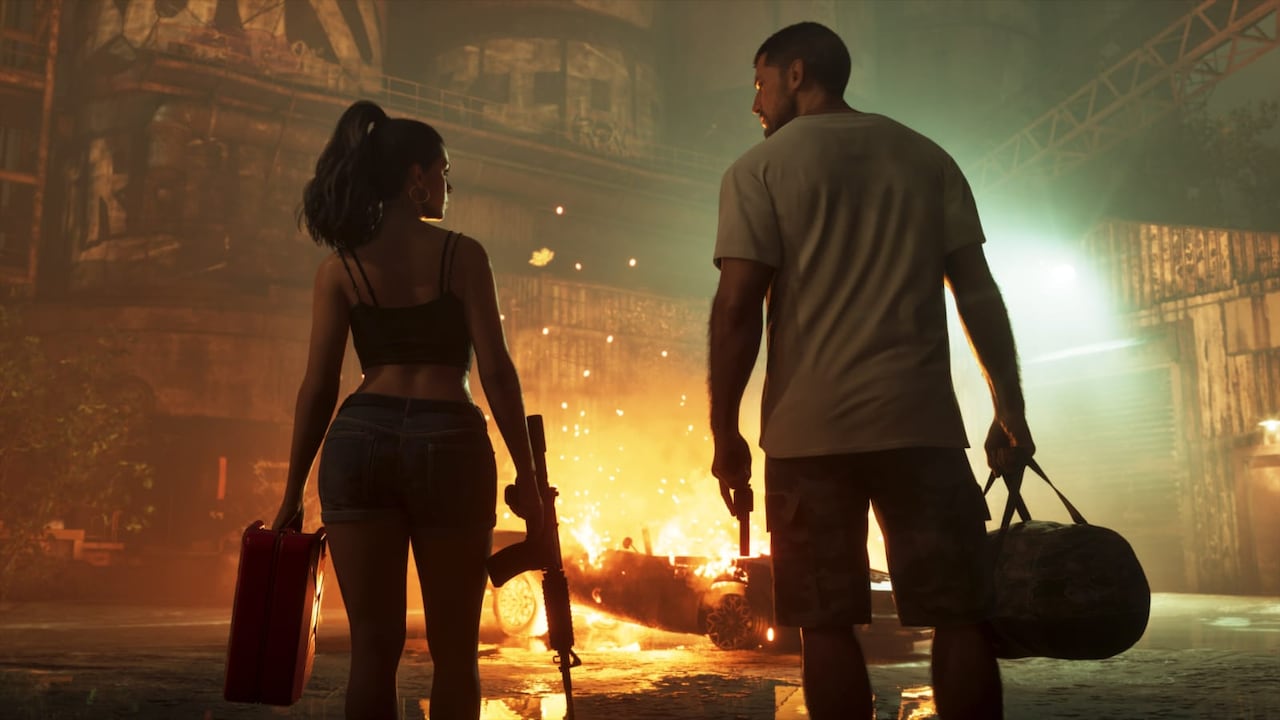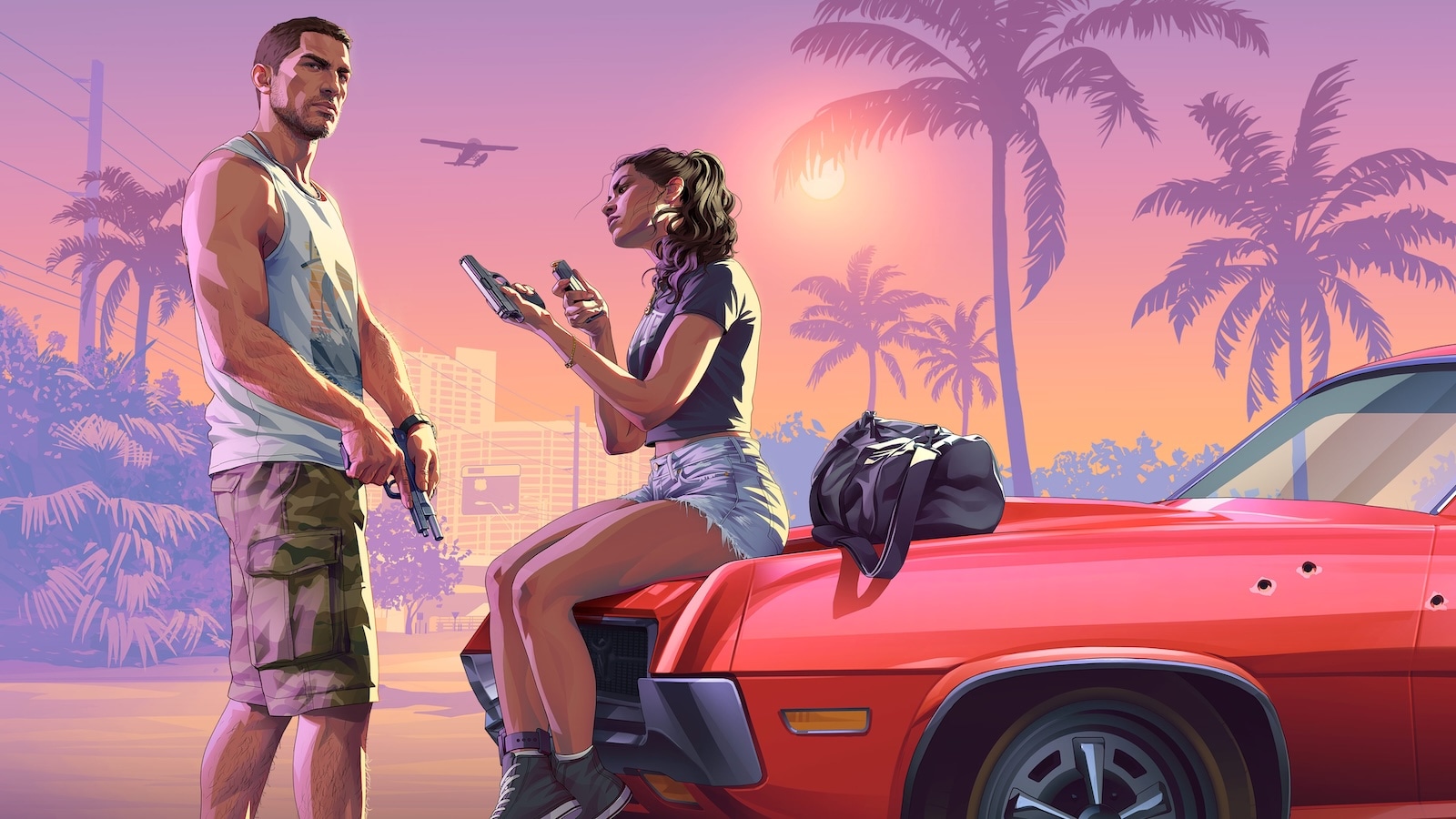
Two numbers dominated headlines after Grand Theft Auto VI unlocked on November 19, 2026. Roughly 7.91 million people watched livestreams at the same time. Global internet exchanges hit a record 33.03 terabits per second.
Sounds simple, right? One massive game broke the internet.
Except that's only half the story. Most coverage treats those two metrics like one unified event, and that's where people get tripped up. The viewership spike and the bandwidth spike actually happened for different reasons, at slightly different moments, and they expose two completely separate truths about how modern entertainment works.
If you want to understand what actually happened to global networks during the GTA VI launch, you have to look under the hood of both numbers.
The 8 Million Viewer Number Isn't What You Think
Preliminary data from Streams Charts put the combined peak concurrent viewership at 7.91 million across livestreaming platforms during the opening 24 hours. Broken down by individual platform peaks, Twitch hit 3.31 million, YouTube reached 3.22 million, and Kick pulled 1.50 million, with smaller platforms rounding out the total.
Notice the wording there. Those individual numbers represent each platform's busiest moment, which didn't necessarily occur at the exact same second.
Even with that caveat, the scale is absurd. On Twitch alone, overall viewership jumped 111% compared to the previous week, blowing past the previous game-launch benchmark set by Valorant's closed beta in April 2020, which peaked around 1.74 million concurrent viewers. And Valorant only hit that figure because viewers were farming streams for beta access drops. Rockstar offered zero in-game rewards for watching.
So why did nearly eight million people watch someone else play a game they'd waited over a decade to experience themselves?
Three friction points drove almost all of that traffic:
- The rolling midnight unlock. Rockstar released the game at midnight local time across regions on PlayStation 5 and Xbox Series X|S. Players in New Zealand gained access first—at 6 a.m. Eastern Time on November 18—while gamers in North America and Europe were locked out for hours.
- The 210+ GB download wall. Even if you pre-loaded the roughly 210 GB to 212 GB file, day-one patches and slow home connections left millions staring at progress bars. On a 50 Mbps connection, downloading a file that size takes over nine hours.
- No PC version at launch. Because the initial rollout hit PS5 and Xbox Series X|S exclusively, an entire tier of PC players had no way to play except through a streamer's screen.
Watching wasn't a replacement for playing. It was a waiting room.
YouTube leaned straight into that waiting-room dynamic by partnering with Rockstar for a 24-hour global broadcast featuring creators like Caylus, Jelly, Rivers, and Jake Baldino alongside live coverage from Miami. Before a single copy even unlocked, YouTube reported that GTA VI videos had already racked up over 40 billion views, pushing the entire franchise past 900 billion lifetime views on the platform.
Why the Internet Traffic Record Almost Happened a Week Early
Here's the detail most viral posts missed. The 33.03 Tbps record didn't happen on November 19 when players started shooting up Vice City.
DE-CIX, which operates one of the world's largest neutral internet exchange networks, clocked that 33.03 Tbps peak at 8:20 p.m. Central European Time on November 18—the evening before official release day.
And it barely beat its own previous record.
Eight days earlier, on November 10, Rockstar opened pre-loads for the game. That single day pushed DE-CIX's worldwide throughput to 33.01 Tbps, with its Frankfurt hub hitting 22.30 Tbps. Launch eve beat the pre-load peak by just 0.02 Tbps. Across the broader launch window, overall data transfer sat roughly 25% higher than a typical week at the start of 2026.
Individual cities and national networks felt the weight in waves as the midnight unlock rolled westward around the globe:
- United Kingdom: BT and EE both recorded the highest home broadband traffic peaks in their history on November 18, while Virgin Media O2 saw traffic between 8 p.m. and 10 p.m. climb 9.4% above its pre-load record.
- Australia: NBN Co hit an all-time overnight record of 36.54 Tbps, roughly 20% above normal levels, while Aussie Broadband peaked at 6.9 Tbps and TPG saw traffic rise about 15%.
- Major Urban Hubs: During the November 18 surge, DE-CIX logged 22.15 Tbps in Frankfurt, 2.87 Tbps in Dallas, 2.44 Tbps in New York, 1.43 Tbps in Madrid, 1.25 Tbps in Dubai, and 1.22 Tbps in Chicago.
Notice what actually strained the pipes. Livestreaming eats bandwidth, sure, yet a 1080p or 4K video stream is tiny compared to tens of millions of consoles simultaneously pulling down a 210 GB game file.
Did the Internet Actually Break
No. Not even close.
Despite breathless social media posts claiming the web was melting down, network engineers spent months preparing for this exact week. In the UK, BT worked directly with content providers and content delivery networks ahead of time to expand local caching. Putting copies of the game files on servers physically closer to residential neighborhoods kept massive amounts of duplicate data off long-haul upstream backbones.
Amazon CloudFront, which handled content delivery across six global regions over an 18-hour rollout window, noted that the launch even overlapped with a primetime football broadcast without triggering widespread backbone outages. Brief login and download hiccups cleared up by mid-morning on November 19.
DE-CIX Chief Technology Officer Thomas King summed up the reality behind the record: for millions of gamers, downloading a massive title is a single click, and modern exchange infrastructure is built specifically to absorb those bursts.
There's also an important technical distinction worth keeping in mind. DE-CIX's 33.03 Tbps figure measures traffic passing through its exchange points—not the entire global internet, and not GTA VI traffic in isolation. Regular evening streaming, cloud backups, software updates, and live sports all rode the same pipes at the exact same time.
What This Means for Creators, Gamers, and Network Planners
The GTA VI launch proved that live entertainment hasn't fractured into tiny, isolated niches. When a cultural event carries enough gravity, millions of people still show up at the exact same hour—whether they're holding a controller or watching a chat window scroll past at unreadable speeds.
If you're navigating big game launches, streaming, or managing bandwidth during peak release windows, a few practical habits make all the difference:
- Start pre-loads the hour they open. Waiting until launch evening puts you in direct competition with peak regional congestion. Even with strong local caching, your local ISP node still has finite capacity.
- Never download and broadcast on the same line. Trying to pull down a 200+ GB patch while pushing an upstream video feed will tank your bitrate and drop frames. Finish every update at least two hours before going live.
- Use wired Ethernet for launch-week downloads. Wi-Fi packet loss multiplies download times on 200 GB files, turning a ninety-minute transfer into an all-night ordeal.
- Capitalize on the regional unlock gap if you create content. The highest ratio of viewers-to-players happens in the six to twelve hours between the first international midnight unlock and the North American release. Once everyone finishes downloading, curiosity viewership drops sharply as audiences switch from watching to playing.
The numbers from November 2026 set a new ceiling for digital distribution, yet the bigger takeaway isn't the record itself. It's how quietly the infrastructure held together while tens of millions of people pulled the biggest entertainment release in history through the same pipes at once.
For a closer look at why millions of viewers tuned into streams before they could play the game themselves, watch Why 8 Million People Watched GTA 6 They Couldn't Play Yet, which breaks down the time-zone rollout and launch viewership records.