Summer brings long days, bright sunshine, and a hidden danger right under your dog's feet. Every year, veterinary emergency rooms see a massive spike in dogs suffering from severe paw pad burns. Most owners don't realize how hot the ground actually gets. They assume that if the air feels nice, the sidewalk is fine. It isn't.
To keep your dog's paws safe in the heat, you need to understand pavement temperature dynamics and change how you schedule your day.
The Asphalt Heat Trap
Air temperature is a terrible gauge for pavement safety. Asphalt and concrete absorb solar radiation all day, trapping heat and warming up to temperatures far exceeding the ambient air.
According to data from the Journal of the American Medical Association, when the air temperature is a comfortable 77°F, asphalt in direct sunlight can skyrocket to a staggering 125°F. At 86°F outside, the pavement can hit 135°F. To put that into perspective, an egg fries at 144°F. Skin destruction occurs in just 60 seconds at 125°F. Your dog is walking barefoot on a literal stovetop.
Dogs don't wear shoes naturally, but their paw pads aren't made of iron. They're specialized skin layers made of fat, connective tissue, and heavily keratinized epithelium. While tougher than human skin, they still burn, blister, and peel when exposed to extreme surfaces.
The Seven Second Test is Failing Your Dog
You've probably heard the advice to place the back of your hand on the pavement for seven seconds. If it's too hot for you, it's too hot for them. It's a decent baseline, but it's flawed.
Your hand is a temporary gauge. Your dog is walking, running, and putting their full body weight onto those pads for thirty minutes or more. Friction increases heat transmission. Plus, different surfaces hold heat differently. Dark asphalt is the worst offender, but brick, artificial turf, and even dry sand can easily reach blistering temperatures.
Instead of relying on your hand, invest in an inexpensive infrared laser thermometer. Point it at the ground before you step out. If the reading is over 100°F, exercise extreme caution. If it's over 115°F, keep your dog off it entirely.
Spotting the Signs of Burned Paw Pads
Dogs are notoriously stoic. They want to please you, so they'll often keep walking even when they're in pain. You have to be the vigilant one. Watch for these immediate warning signs during your walks:
- Limping or favoring certain legs
- Vocalizing or whining while walking
- Refusing to move forward or pulling toward grass
- Heavy panting and signs of systemic heat stress
- Constant licking or chewing at the paws once you get inside
If you look at the pads and see a dark, charred color, visible blisters, or patches where the top layer of skin has peeled away exposing red, raw flesh, you're dealing with a medical emergency.
If your dog burns their paws, flush the area immediately with cool water. Do not use ice water, as extreme cold constricts blood vessels and can worsen tissue damage. Wrap the paws loosely in clean, damp towels and get to a veterinarian immediately. Paw burns infect easily because dogs walk on the ground, and your vet will need to prescribe proper pain management and antibiotics.
Shifting Your Daily Routine
The easiest way to prevent burned paws is to completely restructure your dog's outdoor time during the summer months.
Walk early. Walk late. The ground needs time to cool down after the sun sets, so late evening walks are generally safer than late afternoon ones. Dawn is the absolute safest time because the pavement has had all night to release its trapped heat.
Re-route your walks entirely. Seek out shaded paths, dirt trails, and grassy parks. If you must cross a hot parking lot or sidewalk to get to a grassy area, carry your dog if they're small enough.
Protective Gear That Actually Works
If you live in an urban jungle where avoiding pavement is impossible, you need protective barriers.
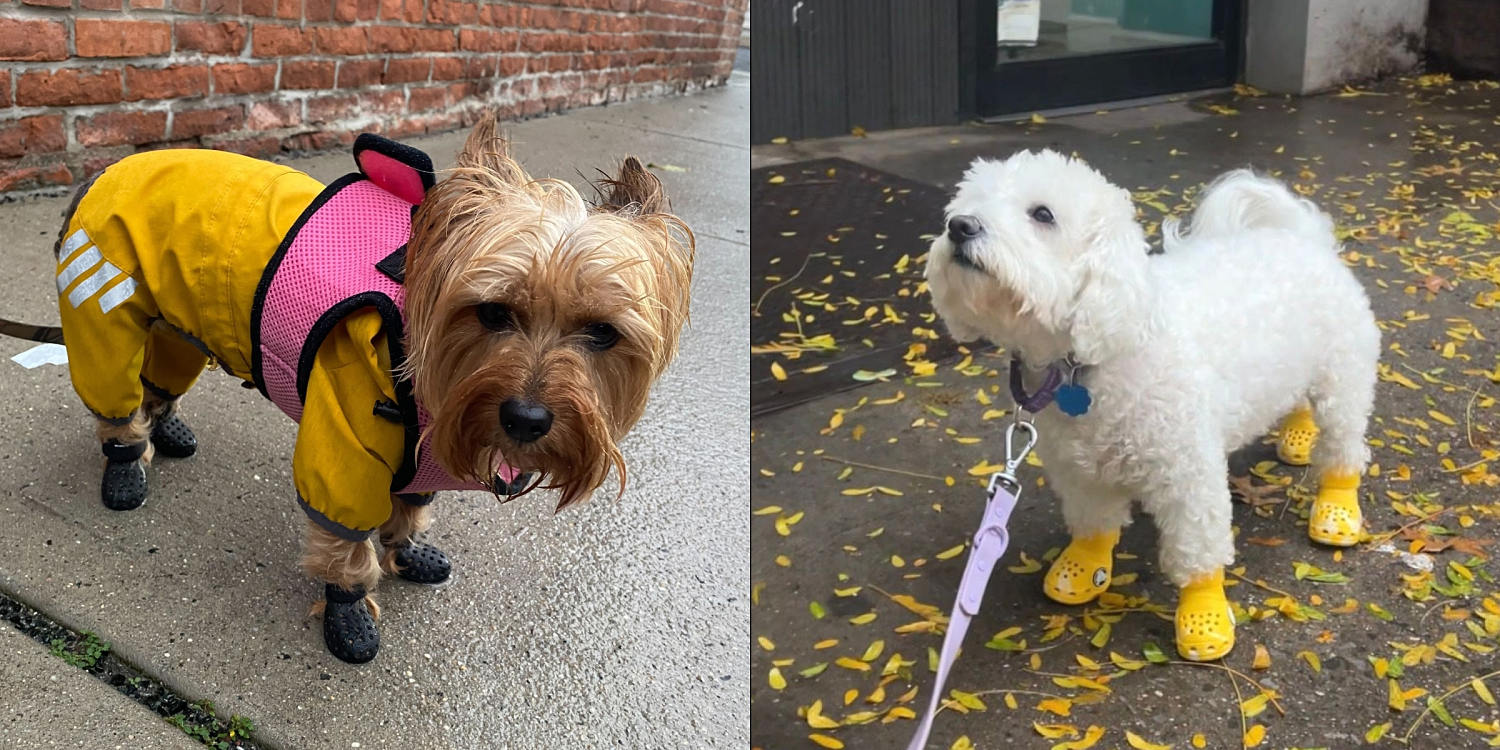
Dog boots offer the highest level of protection. Look for boots with breathable mesh uppers and rugged, heat-resistant rubber soles. Introduce them slowly indoors with plenty of high-value treats before venturing outside. Your dog will do a hilarious high-stepping dance at first. That's normal. Let them get used to the sensation before making them walk long distances.
If your dog absolutely refuses boots, use paw waxes. Products like Musher's Secret create a breathable, barrier layer of dense wax that provides temporary protection against hot surfaces. Keep in mind that wax wears off during long walks and won't protect against extreme, prolonged heat, but it's excellent for quick trips to the grass.
Keep your dog's paws moisturized during the summer. Dry, cracked pads tear and burn much easier than healthy, pliable ones. Use a dog-safe paw balm after walks to keep the skin healthy, but avoid human lotions, which can soften the pads too much and make them more susceptible to injury.
Never shave your dog's paws completely down to the skin between the pads during summer. That hair provides a small amount of natural insulation against the hot ground. Trim it neatly to prevent matting, but leave enough to offer a buffer.
Test the ground every single time you head out. Pack extra water to cool down their feet if needed. If the weather forecast calls for a heatwave, swap the long outdoor walks for indoor mental stimulation games, puzzle toys, and training sessions inside an air-conditioned room. Your dog will stay safe, cool, and burn-free.