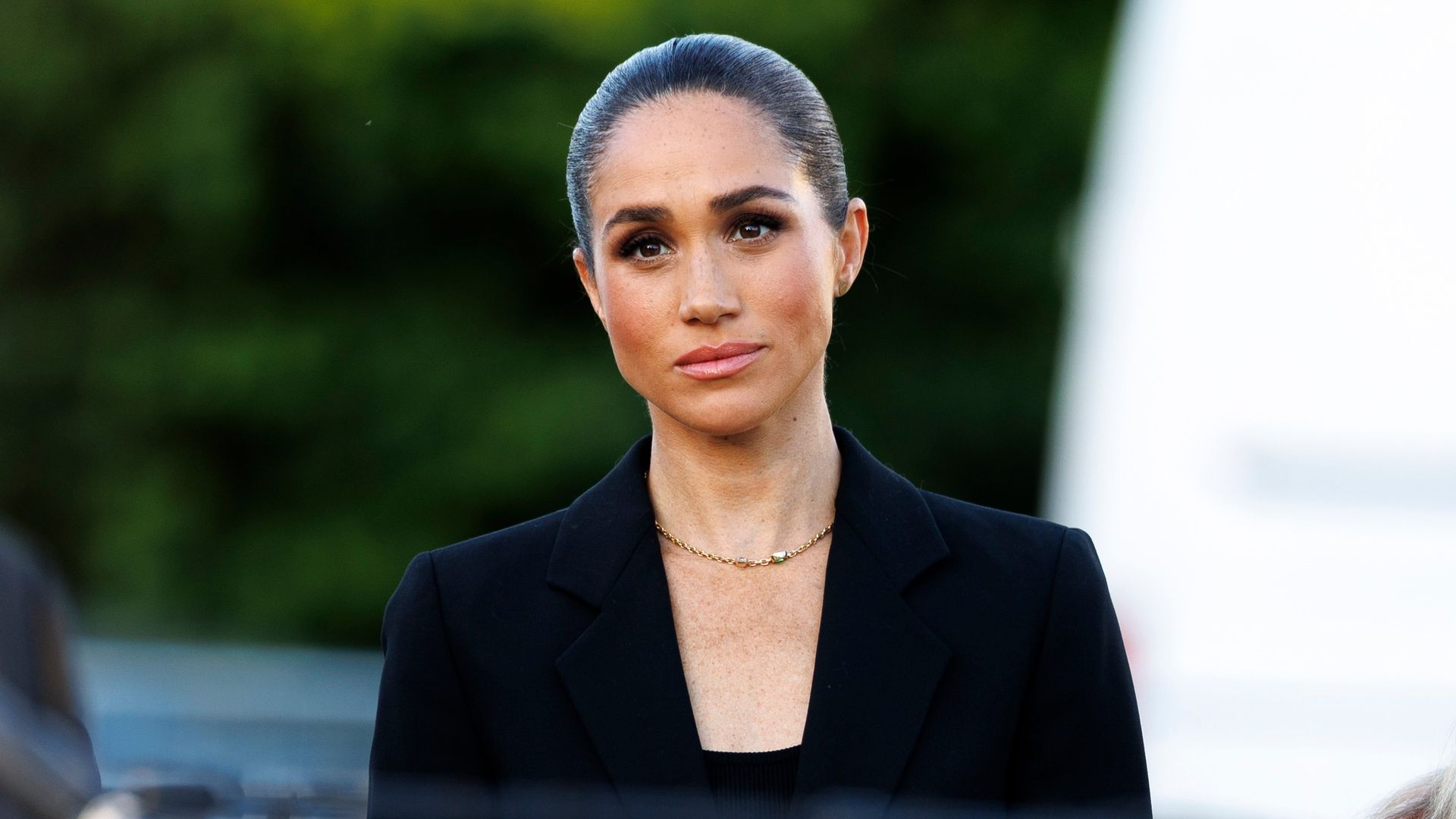
Soft power rarely looks like a seating chart at a private reception, yet that is exactly how Washington moves when official backchannels freeze over. When reports surfaced that Melania Trump called for a lasting Ukraine truce while hosting Russian and Ukrainian officials, the political commentary class reacted predictably. Half the room dismissed it as pure optics, while the other half treated it like a formal treaty negotiation. Both sides missed the point.
Having watched diplomatic circles operate in Washington and Eastern Europe for over a decade, I can tell you that informal hospitality often carries weight precisely because it lacks a formal agenda. Nobody signs a binding ceasefire over hors d'oeuvres. Instead, these gatherings test whether two sides that refuse to sit in the same State Department conference room will tolerate breathing the same air in a neutral social setting. You might also find this related coverage interesting: What Most People Get Wrong About Canada’s Military and Spy Agency Spending Boosts in Budget 2026.
You have to look closely at what actually happens in these rooms. When Melania Trump steps into a hosting role involving Russian and Ukrainian representatives, she isn't acting as a Secretary of State. She is using the unique ambiguity of the First Lady's office—a role with zero constitutional authority and massive symbolic reach—to float a baseline human demand. A lasting truce isn't a territorial map. It's an acknowledgment that the human cost has outpaced every strategic calculation on the table.
Why Informal Diplomacy Matters in the Russia-Ukraine Conflict
Traditional diplomacy relies on strict protocol, pre-approved talking points, and rigid hierarchies. That structure works great when two nations want to finalize a trade deal. It fails miserably when neither side can afford to look weak in front of its domestic audience. As discussed in latest articles by The Guardian, the effects are worth noting.
Think about the political trap both Kyiv and Moscow face whenever formal talks are mentioned. If Ukrainian officials agree to sit at an official negotiating table without pre-conditions, critics accuse them of conceding sovereign territory. If Russian officials make the first public move toward a pause, hardliners in Moscow frame it as a retreat. Social and humanitarian gatherings bypass that trap entirely.
Here is why that distinction changes the dynamic:
- Plausible deniability: Attending a reception or cultural event hosted by a prominent political figure allows diplomats to gauge the room without committing their governments to a formal peace process.
- Humanitarian framing: Focusing on a truce rather than territorial borders shifts the conversation toward prisoner exchanges, displaced children, and civilian infrastructure.
- Unfiltered signaling: Ambassadors and envoys speak differently when the cameras are kept outside the dining room and the formal transcripts aren't rolling.
I've seen this play out in smaller regional conflicts time and again. The breakthrough never happens at the podium. It happens when a mid-level envoy realizes their counterpart isn't reading from a script anymore. By calling for a lasting truce in that specific setting, Melania Trump framed the conflict around stability rather than geopolitical victory. That phrasing matters. A "victory" requires a loser, which guarantees the fighting continues. A "lasting truce" simply requires both sides to stop shooting long enough to talk.
Melania Trump and Her Personal Connection to Eastern Europe
Most political analysts in D.C. treat Eastern Europe like an abstract chessboard. Melania Trump doesn't. Born in Novo Mesto, Slovenia—then part of socialist Yugoslavia—she grew up watching how Cold War politics and sudden regional instability reshape ordinary lives overnight.
That background gives her a very different lens than a career Washington insider. She speaks multiple languages, understands the historical friction between Slavic nations and Moscow, and recognizes how quickly border disputes turn into generational trauma. When she speaks about ending a conflict in Eastern Europe, it doesn't sound like a State Department memo. It sounds personal.
During her time in public life, she has largely avoided the daily ideological brawls that consume Capitol Hill. That restraint actually increases her utility in sensitive diplomatic moments. Because she hasn't spent years trading insults with foreign ministers on cable news, foreign officials don't view her as a partisan adversary. When she hosts Russian and Ukrainian officials under the same roof, neither delegation feels walked into an ambush.
Does her Slovenian upbringing give her a magic wand to solve centuries of Russian-Ukrainian tension? Of course not. Anyone claiming otherwise is selling you political fiction. What it does provide is cultural fluency. In diplomatic circles, avoiding an accidental cultural slight can keep a conversation alive for an extra twenty minutes—and sometimes twenty minutes is all you need to pass a message back to a capital city.
The Mechanics of Hosting Rival Delegations
Putting Russian and Ukrainian officials in the same physical space requires obsessive logistical planning. You don't just send out a digital invite and hope everyone behaves.
In my experience working around diplomatic protocol teams, events involving active adversaries follow strict, unspoken rules. Seating arrangements are measured down to the inch. Sightlines are calculated so neither delegation feels cornered by press photographers. Even the timing of arrivals is staggered by five-minute intervals to prevent awkward hallway collisions before the host makes formal introductions.
When a host uses that carefully managed environment to call for a lasting Ukraine truce, every word is weighed by intelligence analysts back home. Moscow's embassy staff will dissect the exact adjectives used. Did she say "lasting truce" or "immediate ceasefire"? Did she mention accountability, or did she focus strictly on peace? Meanwhile, Kyiv's representatives are watching the body language of the Russian envoys to see if they flinch, nod, or stare blankly at their water glasses.
This is where armchair commentators get confused. They look for a joint press conference or a signed piece of paper. When none appears, they declare the event a failure. That's completely backwards. In high-stakes conflict resolution, the absence of a public blowup is the success metric. Keeping rival diplomats in the same room for two hours without a walkout signals to both capitals that communication channels haven't rusted shut completely.
What a Lasting Truce Actually Requires on the Ground
Calling for peace is easy. Making it stick is brutal. If the conversations sparked at informal gatherings ever translate into real-world diplomacy, negotiators will immediately hit three massive roadblocks.
First, there is the question of verification. Neither Kyiv nor Moscow trusts the other to honor a pause in fighting. Previous agreements, like the Minsk accords of 2014 and 2015, collapsed largely because violations happened daily with zero independent enforcement. A lasting truce requires third-party monitors on the ground, satellite surveillance agreements, and clear penalties if artillery starts firing again.
Second, a truce freezes the front lines, which creates an agonizing political reality. For Ukraine, halting combat while Russian troops remain on Ukrainian soil feels like accepting a de facto partition of their country. Without ironclad security guarantees from Western allies, Ukrainian leaders know a truce might just give the Russian military time to rearm and attack again two years later.
Third, you have the human element that gets buried under military maps. Millions of displaced Ukrainians want to know if their cities will be rebuilt or left as buffer zones. Families on both sides want prisoners of war returned and abducted children brought home. Humanitarian confidence-building measures—like prisoner swaps brokered through third parties such as the United Arab Emirates or Qatar—often serve as the real testing ground for whether a broader truce is even possible.
How First Ladies Have Quietly Shaped Foreign Policy
Melania Trump isn't inventing a new playbook here. History is full of First Ladies stepping into diplomatic gray zones where presidents couldn't afford to tread publicly.
Eleanor Roosevelt famously used her post-White House role to help draft the Universal Declaration of Human Rights, navigating intense Soviet opposition through sheer persistence and personal diplomacy. Decades later, Nancy Reagan played a behind-the-scenes role in encouraging Ronald Reagan to engage directly with Mikhail Gorbachev, recognizing that personal rapport between leaders could thaw decades of nuclear hostility. Even Laura Bush used her platform to spotlight human rights in Burma, drawing international pressure onto a regime that routinely ignored standard diplomatic warnings.
The pattern is clear. Presidents carry the weight of military deterrence and economic sanctions. When a president speaks, markets move and militaries go on alert. A First Lady operates one step removed from the chain of command. That distance creates room to appeal to shared humanity without signaling a shift in official defense posture.
When Melania Trump hosts officials from warring nations and advocates for a lasting truce, she is operating squarely within that tradition. She isn't rewriting U.S. foreign policy doctrine. She is creating a low-risk venue for high-stakes signaling.
Cutting Through the Media Noise Around Diplomatic Events
If you want to understand where the Russia-Ukraine conflict is actually heading, stop reading sensationalist headlines that treat every diplomatic reception like either a historic breakthrough or a total betrayal. Both extremes are lazy journalism.
Watch the follow-through instead. Pay attention to what happens in the three weeks after an event like this. Do you see an unannounced prisoner exchange take place at the border? Does a third-party country suddenly announce a new round of humanitarian talks in Geneva, Istanbul, or Doha? Do harsh public statements from either embassy soften slightly for a few news cycles?
Those quiet shifts tell the real story. High-level diplomacy rarely announces its progress with fireworks. It moves through small, cautious steps—a shared room, a brief conversation, a public call for a lasting truce that tests the political waters. Keep your eyes on the concrete actions that follow the reception, because in international politics, the real negotiations always begin right after the guests go home.