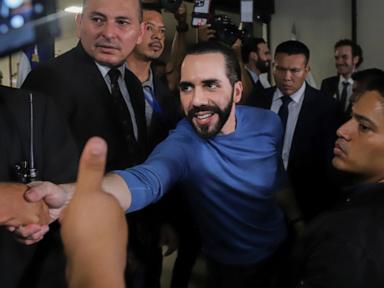
When Nayib Bukele walked up to El Salvador’s Supreme Electoral Tribunal on November 19, 2026, to file paperwork for a third presidential term, thousands of supporters stood outside chanting for six more years. At the exact same moment, over 2,000 Salvadoran soldiers were patrolling neighborhoods in Port-au-Prince, hunting down Haitian gang leaders.
Most coverage treats these two events as separate news items—one about constitutional backsliding at home, the other about a risky foreign rescue mission. That reading misses the point. Bukele isn't running two disconnected playbooks. He's using the same security-first brand to cement indefinite power in San Salvador while turning Haiti into a live-fire showcase for his governing model.
If you want to understand why a 45-year-old president with an approval rating hovering near 80% to 90% feels the need to deploy troops 1,000 miles away right before an election he is virtually guaranteed to win, you have to look at how domestic legitimacy and foreign spectacle feed each other.
Why Bukele Can Legally Run for a Third Term in 2027
For decades, El Salvador’s constitution strictly banned consecutive presidential reelection. The country wrote that rule after a brutal civil war to stop strongmen from turning the presidency into a lifetime appointment.
Bukele dismantled that guardrail piece by piece. First came the 2021 judicial purge, when his Nuevas Ideas party used its legislative supermajority to replace the constitutional chamber of the Supreme Court. Those handpicked judges promptly reinterpreted the constitution to allow a second consecutive term, letting Bukele win nearly 85% of the vote in 2024.
Then, in 2025, lawmakers went further. They passed constitutional amendments that wiped out presidential term limits altogether, stretched presidential terms from five years to six, and moved the next election up from 2029 to February 28, 2027.
How the Opposition Collapsed
On paper, eleven political parties were eligible for the 2027 race, and a handful—including ARENA, the FMLN, the National Coalition Party, and the Salvadoran Patriotic Fraternity—nominated candidates like Mayteé Iraheta and Rafael Aguirre. In reality, the race is over before the ballots print.
- Complete legislative control: Nuevas Ideas holds 54 of the 60 seats in the Legislative Assembly, leaving opposition lawmakers powerless to block executive decrees.
- Electoral boycotts: Parties like Vamos refused to field a presidential candidate, arguing that participating only legitimizes an unconstitutional power grab.
- Public backing: A May 2026 poll from Central American University found that 65.3% of Salvadorans actually supported moving the election forward to 2027, compared to just 23.9% who opposed it.
Critics point out that Nicaragua and Venezuela were the only other Latin American nations permitting indefinite reelection when these reforms passed. Bukele’s response has been blunt. He argues that 90% of developed democracies allow heads of government to stay in office indefinitely, and calls foreign criticism a double standard aimed at small, poor nations.
What Triggered the Salvadoran Military Deployment in Haiti
While Bukele was locking down his domestic political future, a crisis erupted in the Caribbean. On October 18, 2026, armed gang members in Croix-des-Bouquets, on the outskirts of Port-au-Prince, ambushed an armored vehicle carrying four Salvadoran aviation technicians. Those airmen were serving as part of El Salvador's initial contribution to the UN-backed Gang Suppression Force.
They vanished. Within days, Bukele ordered special forces to Haiti. What started as a targeted search-and-rescue operation rapidly escalated into a unilateral military intervention.
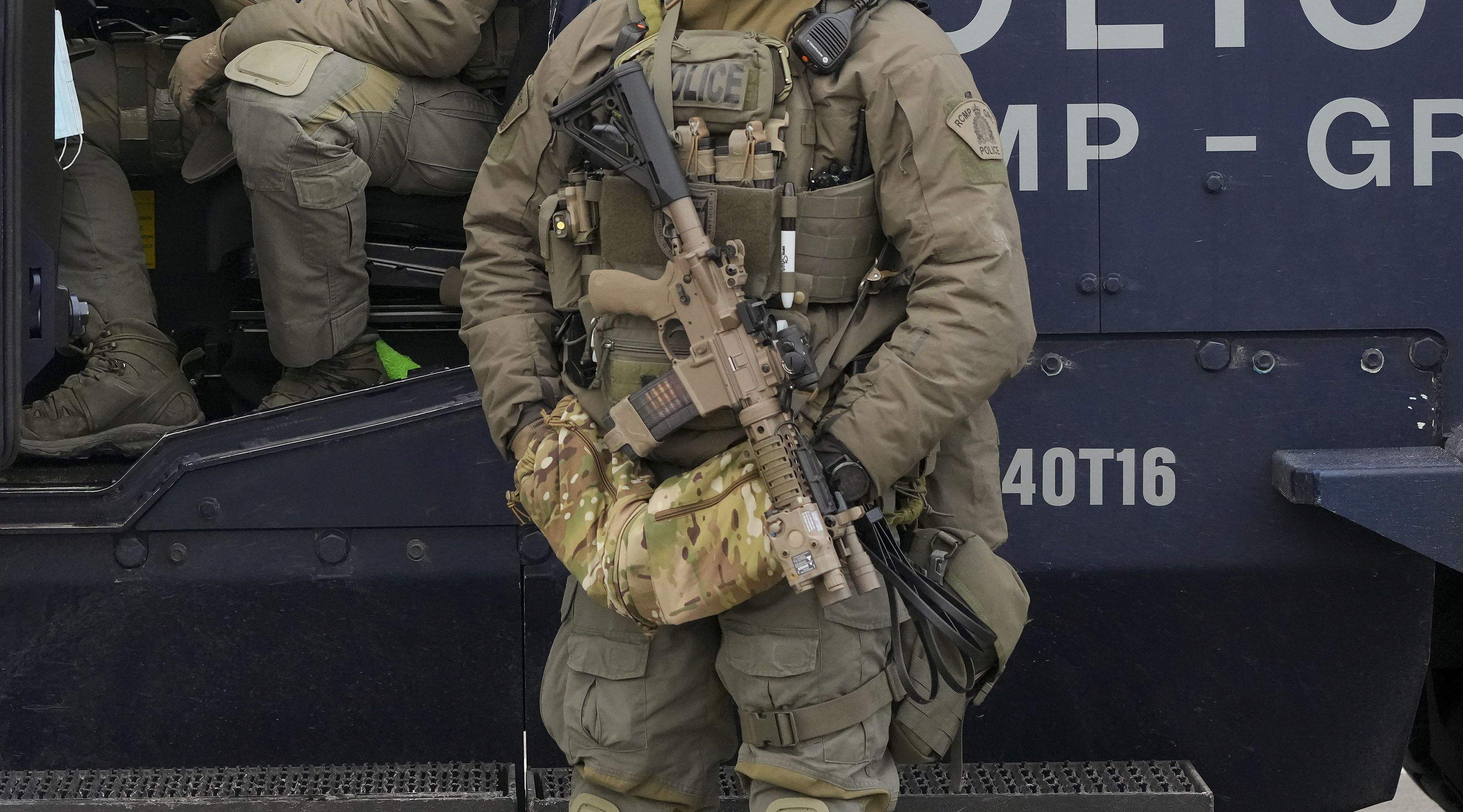
By late November, between 2,000 and 2,500 Salvadoran troops and seven helicopters were operating on Haitian soil. That troop count actually exceeds the roughly 1,500 personnel deployed under the official UN-authorized Gang Suppression Force.
Operating Outside UN Guardrails
Unlike the international mission, Bukele’s expanded contingent operates independently under a bilateral cooperation agreement with Haitian authorities whose exact terms haven't been made public. That legal gray zone alarms international observers.
Amnesty International has demanded the release of the bilateral agreement, warning that troops operating outside the UN mandate lack clear rules of engagement and accountability. Legal scholars at Just Security have raised sharper concerns, noting that international law prohibits belligerent reprisals and warning that unrestrained military sweeps risk serious civilian harm.
On the ground, the fighting has turned brutal:
- Targeted strikes on gang bosses: Salvadoran helicopters have hit compounds belonging to major gang figures, including Wilson Joseph of the 400 Mawozo gang and Jeff Larose of the Canaan-based Taliban gang.
- Retaliation against civilians: According to conflict monitors at ACLED, gangs in Croix-des-Bouquets have killed dozens of civilians since the ambush, even searching residents' phones for signs of pro-Bukele sentiment.
- Collateral damage: Healthcare provider Zanmi Lasante reported heavy material damage to its facilities in Santo during clashes, and local reports have pointed to civilian casualties from explosive drone strikes.
A full month into the intervention, the four missing Salvadoran technicians still haven't been found.
Why Haitians Are Cheering a Foreign Strongman
If you only read diplomatic cables from Washington or Geneva, the Haiti mission looks like a reckless overreach. Walk through Port-au-Prince, Kenscoff, or Jérémie, and you see a completely different reaction.
Thousands of Haitians have marched in the streets waving Salvadoran flags and wearing shirts printed with Bukele's face. Even the Haitian human rights group Fondasyon Je Klere voiced support for the intervention.
Why? Desperation. Haiti is enduring the worst humanitarian emergency in the Western Hemisphere. Armed coalitions control vast swaths of the capital, roughly 1.5 million people have been driven from their homes, and more than half the population requires urgent humanitarian aid. Previous international missions—most notably the UN stabilization mission from 2004 to 2017—failed to break the gangs' grip.
Haitian officials aren't just welcoming Salvadoran firepower; they're copying Bukele’s domestic blueprint. Following a visit to El Salvador’s massive Terrorism Confinement Center supermax prison, Haitian Justice Minister Patrick Pélissier announced plans on November 20 to partner with El Salvador on building three new prisons modeled on Bukele's incarceration system.
The Hidden Price of the Bukele Security Model
Here is what gets lost when commentators treat Bukele’s anti-gang formula as a silver bullet. You can't separate the drop in street crime from the suspension of basic legal rights.
In El Salvador, Bukele’s war on MS-13 and Barrio 18 relied on a continuous "state of exception" enacted in March 2022. That decree suspended constitutional rights to due process, legal counsel, and protections against arbitrary arrest. Roughly 118,000 to 120,000 people—nearly 2% of El Salvador's entire population—now sit behind bars.
While murder rates plummeted and daily life normalized for millions of Salvadorans, human rights organizations like Cristosal and panels of UN experts have documented widespread torture, deaths in custody, and mass arbitrary detentions of innocent citizens.
Exporting that model to Haiti carries massive risks:
- No institutional safety net: El Salvador had a functioning, centralized police and military apparatus that Bukele could bend to his will. Haiti's national police force is underfunded, outgunned, and fractured.
- The exit trap: Analysts at the Center for Strategic and International Studies (CSIS) point out that military raids without political reform only suppress gangs temporarily. The moment Salvadoran troops withdraw, surviving gang networks can regroup and exact bloody revenge on neighborhoods that cooperated with foreign soldiers.
- Geopolitical friction: While the Trump administration has offered logistical backing and quiet approval, regional neighbors are pushing back. Mexican President Claudia Sheinbaum publicly called the intervention "highly debatable," questioning the tactics used on the ground.
How the Haiti Mission Fuels Bukele’s 2027 Campaign
Look at the timing again. Bukele launched his third-term bid while Salvadoran helicopters were flying combat patrols over Port-au-Prince.
For a former communications strategist who built his brand on social media dominance, the political payoff is enormous. Polling shows 73% of Salvadorans believe the Haiti deployment improves their country's image abroad, and 68% want the government to maintain or expand the mission.
By projecting military power overseas, Bukele flips the global narrative. Critics in Washington and Europe want to talk about dismantled term limits, packed courts, and mass detention. Bukele changes the subject to El Salvador rescuing a neighbor that wealthy superpowers failed to stabilize.
If you're tracking this story over the next three months, watch three concrete indicators rather than campaign speeches:
- The February 28, 2027 election turnout and margin: Watch whether international observers from the Organization of American States or the European Union certify the vote, and whether low turnout signals quiet voter fatigue despite high approval polls.
- Publication of the Haiti bilateral security agreement: Pressure from Amnesty International and regional governments will test whether Port-au-Prince and San Salvador disclose the legal rules governing the 2,500 troops.
- Prison construction and troop rotation: Follow whether the three promised prisons in Haiti actually break ground or stall due to funding shortages, and whether Bukele pulls troops back once the February election passes.
Bukele has bet his legacy on proving that raw executive force beats slow democratic institutions. Whether that bet holds up depends on what happens in Haiti long after the confetti settles in San Salvador.