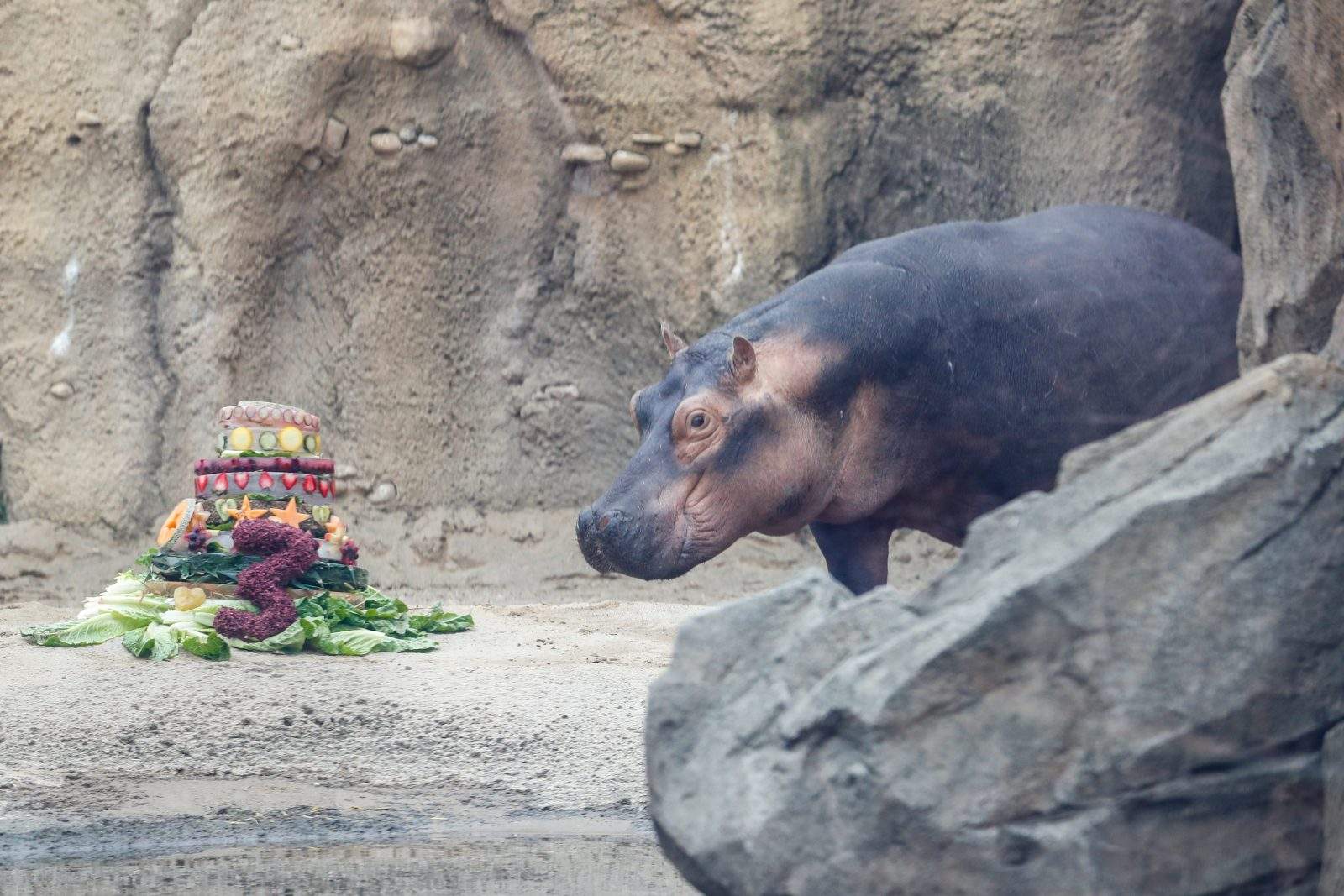
Rumors travel faster than press releases. If you saw headlines claiming the Toronto Zoo is reviewing its enclosures and policies following the death of "Fiona the Hippo," you might want to pause before sharing that link.
Here's the truth right up front. Fiona is the world-famous Nile hippopotamus who was born six weeks premature at the Cincinnati Zoo & Botanical Garden in January 2017—not Toronto. And as of late 2026, there is no verified public record from the Toronto Zoo announcing a policy overhaul tied to a hippo named Fiona. That viral headline mixes up real-world zoo geography, famous animal names, and how accredited facilities actually handle internal safety audits.
Still, the underlying issue matters a lot. When an animal dies in captivity, public scrutiny hits immediately. People want to know if the habitat failed, if staff missed warning signs, or if outdated protocols put the animal at risk. Let's look at how these headlines happen, what the Toronto Zoo's actual hippo history looks like, and what really triggers an enclosure and policy review inside major zoological institutions.
How the Fiona the Hippo Headline Got Scrambled
Internet news aggregators love mashups. Sometimes an automated scraper or a rushed writer blends two completely separate stories into one click-heavy sentence, and suddenly thousands of readers think Cincinnati's most famous resident lived north of the border.
Fiona became a global celebrity in Ohio because she survived against brutal odds. Born at just 29 pounds—roughly half the normal birth weight for a Nile hippo—she required round-the-clock care from keepers and neonatal specialists at Cincinnati Children's Hospital. Millions watched her grow up alongside her mother, Bibi, and later her brother, Fritz. She belongs entirely to Cincinnati.
Toronto, on the other hand, has its own long, complicated history with hippopotamuses. For decades, the Toronto Zoo housed river hippos in its Africa Pavilion. You might remember older residents like Lollipop and Buttons, or Kindia, who passed away in 2013 after reaching an advanced age for the species. In recent years, Toronto also welcomed pygmy hippos—a completely different, smaller, and endangered West African species—into refurbished indoor and outdoor spaces designed specifically for solitary forest dwellers rather than massive river hippos.
When a headline conflates "Toronto Zoo," "enclosure reviews," and "Fiona the Hippo," it's pulling real keywords from different buckets and gluing them together. If you're reading news about animal welfare, checking the facility name against the animal's actual home is step one. Every accredited zoo keeps detailed public logs of its major births, transfers, and deaths.
What Actually Triggers a Toronto Zoo Enclosure and Policy Review
Even though the Fiona angle doesn't hold up, enclosure and policy reviews at places like the Toronto Zoo are very real. They happen constantly, and usually for reasons far less sensational than social media makes them sound.
Working around zoological management, you quickly realize that modern zoos don't wait for a tragedy to inspect a gate latch or rewrite a feeding protocol. That said, an unexpected animal death—whether from acute illness, aging infrastructure, or an enclosure hazard—forces an immediate, formal mortality review.
Here is what happens behind the scenes when a major accredited facility like Toronto launches an internal audit:
- Full Necropsy and Pathology Workup: Veterinary teams perform a comprehensive post-mortem exam, often sending tissue samples to outside university labs like the Ontario Veterinary College at the University of Guelph. They need to know whether the cause was infectious disease, organ failure, congenital defects, or physical trauma.
- Habitat Engineering Inspection: Maintenance crews, curators, and animal care staff walk the entire exhibit inch by inch. They look at water filtration turnover rates, substrate traction, pool depth transitions, shift-door hydraulics, and barrier heights. Even a minor pinch point that wasn't an issue for a younger animal can become dangerous for a geriatric one.
- Standard Operating Procedure (SOP) Audits: Keepers review daily logs, enrichment schedules, and diet sheets. Did the animal get access to an area during maintenance? Were two animals introduced too quickly? Did seasonal temperature drops affect indoor holding heating?
- Third-Party Accreditation Oversight: The Toronto Zoo operates under strict accreditation standards, historically tied to bodies like Canada's Accredited Zoos and Aquariums (CAZA) and the Association of Zoos and Aquariums (AZA). Serious incidents require formal reporting, and external inspectors can mandate structural upgrades before an enclosure is cleared for future residents.
People often assume a "policy review" means someone broke a rule. Usually, it means an existing rule didn't account for a rare edge case—like how a heavy-bodied semi-aquatic mammal navigates a wet ramp as its joints stiffen with age.
Why Hippo Enclosures Are Uniquely Difficult to Design
If you've never seen a hippo habitat from the keeper's side of the glass, it's easy to underestimate the engineering involved. A full-grown Nile hippo weighs anywhere from 3,000 to 4,000 pounds, moves silently underwater, and can sprint faster than a human on land. Designing a safe space for an animal that size—or even for a 500-pound pygmy hippo—creates headaches you simply don't get with big cats or primates.
Water quality alone is a massive battle. Hippos defecate in the water to mark territory, churning massive amounts of organic waste into their pools every single day. Without industrial-scale mechanical filtration, UV sterilization, and rapid turnover cycles, bacterial loads spike fast. Poor water quality leads directly to skin lesions, eye infections, and respiratory issues.
Then there's the floor. Concrete is easy to sanitize, which keepers love, because scrubbing algae and waste off porous rock takes forever. Yet smooth concrete turns into a skating rink when wet. Over twenty or thirty years, hard flat surfaces wreck a hippo's feet and joints. Modern retrofits—like the upgrades Toronto has pursued across several older 1970s-era pavilions—focus heavily on sloped entry ramps, textured non-slip coatings, and deeper underwater viewing pools that let hippos stay buoyant and take weight off their legs.
Gates and shift doors present another quiet risk. Hippos have immense jaw strength and a habit of leaning their entire body weight against steel barriers. Hydraulic doors have to close slowly enough that an animal can't get caught, yet securely enough that two tons of muscle can't pry a gap open. Whenever a zoo reviews an enclosure after an incident, those transition zones between indoor holding pens and outdoor pools are the very first places inspectors check.
The Gap Between Public Perception and Zoo Reality
Whenever news breaks about an animal dying at a major city zoo, comment sections split into two predictable camps. One side blames captivity itself, arguing no enclosure can ever be big enough. The other defends the keepers unconditionally, insisting accidents just happen.
Both takes miss the practical middle ground where actual zoo professionals operate.
Older zoos—and the Toronto Zoo opened its doors in 1974—carry decades of legacy architecture. Building a brand-new savanna or river habitat from scratch costs tens of millions of dollars, money that public and non-profit zoos rarely have sitting in a reserve account. Instead, facilities constantly triage. They retrofit aging barns, update safety latches, rewrite keeper lockout-tagout rules, and gradually phase out species whose spatial needs outgrow 1970s concrete footprints.
That's why Toronto has shifted away from keeping large pods of massive river hippos in older indoor quarters and focused more on conservation breeding programs for smaller, critically endangered species like the pygmy hippo. It isn't an admission of failure; it's an acknowledgment that modern animal welfare science demands more space, better water systems, and more complex behavioral enrichment than mid-century zoo architects ever imagined.
When a zoo publicly announces that it is "reviewing enclosures and policies," skeptics often dismiss it as PR damage control. Sometimes the wording is cautious, especially while necropsy results are still pending. Nobody wants to guess at a cause of death before pathology slides come back from the lab. Still, behind that stiff corporate phrasing, real changes happen—new lockout protocols get bolted onto shift doors, pool edges get resurfaced, and veterinary checklists get longer.
How to Verify Zoo News Before Sharing It
Misleading animal news spreads because people care deeply about wildlife and react fast when they think an animal suffered needlessly. If you come across a dramatic claim about a zoo investigation or a famous animal's death, take thirty seconds to run a quick sanity check:
- Check the zoo's official newsroom or press page. Legitimate institutions like the Toronto Zoo publish formal media releases whenever a major animal passes away or an exhibit closes for safety modifications. If it's not on their official site, treat it with heavy skepticism.
- Verify the animal's actual location. Famous animals like Cincinnati's Fiona have dedicated updates on their home zoo's verified channels. Scrambled headlines frequently attach a viral animal's name to a completely unrelated city.
- Look for named veterinary or curatorial details. Real reporting on a zoo review will cite specific exhibit names (such as the Africa Pavilion), species names (Nile hippopotamus vs. pygmy hippopotamus), and whether a necropsy is underway. Vague stories with zero local specifics are almost always rewritten or hallucinated summaries.
Checking primary sources takes less time than reading a bad rewrite, and it keeps real conservation and animal welfare conversations grounded in facts rather than internet static.