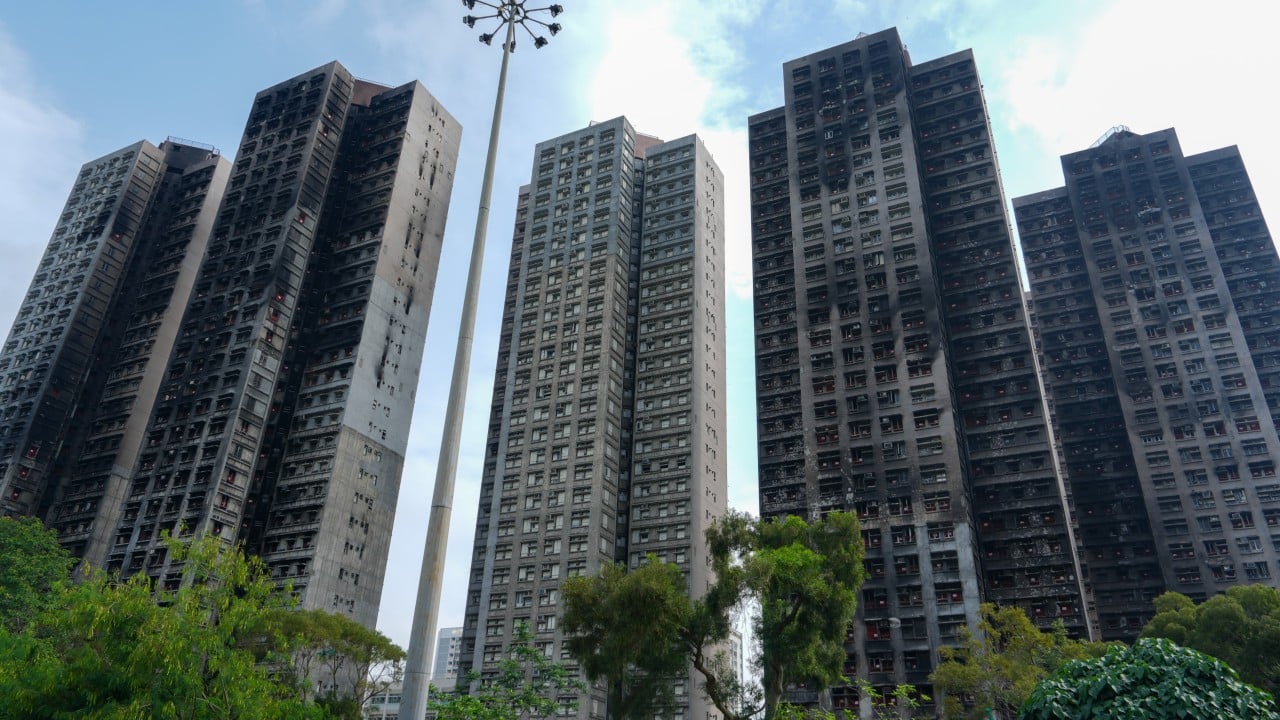
The aftermath of the devastating five-alarm fire at Wang Fuk Court in Tai Po has left nearly 2,000 households navigating a bureaucratic maze. With 168 lives tragically lost in the November 2025 blaze and seven out of eight blocks gutted, the Hong Kong government stepped in with an unprecedented HK$6.8 billion buyout plan. But a massive point of confusion remains for displaced flat owners. Who gets the insurance money?
If you think the government is stripping residents of their personal financial safety nets under the buy-back scheme, you're mistaken.
The reality is a calculated legal handoff. Appointed estate administrator Hop On Management recently shed light on how these complex financial pieces fit together. While the authorities are stepping in to claim the massive master fire policy, your personal home insurance belongs entirely to you. Understanding where the boundary lines sit is vital for every affected resident trying to figure out their next moves.
The Two Billion Dollar Fire Insurance Transfer Explained Simply
Let's look at the big money first. The entire Wang Fuk Court estate was covered by a master Property All Risks insurance policy underwritten by China Taiping Insurance (Hong Kong). This specific policy carries a maximum payout cap of HK$2 billion.
When the government buys back the fire-ravaged flats, they aren't just buying brick and mortar. They're buying the legal titles to the properties. Because the government is spending billions of dollars of public funds to acquire these ruined structures—with plans to demolish the seven damaged blocks and convert the site into public parks or social facilities—they are also taking over the legal rights to the master fire insurance policy.
Hong Kong Federation of Insurers chief Selina Lau confirmed this mechanism. Once the government completes the buyout and assumes 100% ownership of the estate, it steps into the shoes of the Owners' Corporation. Consequently, the authorities, not the individual former flat owners, will pursue and collect the master fire insurance payout from China Taiping to offset the staggering HK$6.8 billion drain on the public coffers.
Your Home Insurance Stays in Your Pocket
A major worry sweeping through the displaced Tai Po community is whether the government will seize personal home insurance policies as part of the buy-back packages. The short answer is absolutely not.
Property fire insurance and individual home contents insurance are entirely separate animals.
- Master Fire Insurance: Covers the structural shell of the buildings and common areas. This transfers to the government under the buyout.
- Home Contents and Interruption Insurance: Covers your furniture, appliances, personal valuables, and temporary living expenses. This remains yours.
The payouts from your independent home insurance policies belong exclusively to you. The Insurance Authority has already coordinated more than HK$257 million in total payouts across general and life insurance policies for Wang Fuk Court residents. Insurers are explicitly using flexible, lenient measures for these claims. For example, if your receipts were burned to ashes in the 43-hour inferno, companies are settling property loss claims without demanding standard proof of purchase. Temporary accommodation expenses are being reimbursed as they are incurred. Accepting the government's cash buyout or opting for a flat-for-flat exchange at another subsidised estate won't change your right to these personal payouts.
The Maintenance Fund Cash Injection Coming in June
While the legal battle over structural insurance plays out between the government and China Taiping, residents are looking at a much more immediate cash relief measure. Hop On Management announced that a massive HK$127 million slice of the estate’s major maintenance fund will be refunded directly to owners starting June 10.
Before the fire, the 42-year-old estate was undergoing an extensive HK$330 million external wall renovation. That project, wrapped in highly flammable bamboo scaffolding and polystyrene window covers, ultimately contributed to the rapid spread of the fire. Now that the project is permanently canceled, the unspent money is going back to the people.
The refunds will be distributed in waves based on how many financial installments you contributed before the disaster struck:
- Six Installments Paid: Owners will receive a cash refund between HK$85,000 and HK$99,000, depending on their exact ownership share.
- Five Installments Paid: Owners will claw back between HK$61,000 and HK$71,000.
Hop On is currently fast-tracking the review of roughly 890,000 historical documents handed over from the previous property management firm to verify payment records. For sole owners, estate executors, and administrators, the first checks will fly out the door in early June. If you're planning to accept the government buyout, don't worry about this refund delaying your timeline. Hop On has explicitly stated that the maintenance fund distribution runs entirely parallel to the buyout and will not disrupt owners looking to sell their titles to the government.
The Wang Chi House Problem
There's a fascinating anomaly in this entire crisis. Wang Chi House (Block H) is the only tower out of the eight blocks that escaped the fire intact. Yet, its residents are caught in a bizarre limbo.
Hop On recently revealed that Wang Chi House requires an estimated HK$30 million in urgent repair works. Even though it didn't burn, the block suffered collateral structural strain, and external wall tiles have actively begun to loosen, requiring an emergency covered walkway to protect pedestrians. The proposed renovation is estimated to take nine months.
This introduces a massive headache regarding cost-sharing. If the other seven buildings are demolished by the government, how can a single remaining block sustain the maintenance costs of shared estate infrastructure? Hop On is currently seeking formal legal advice on whether it's legally viable to proceed with a standalone tender process for Wang Chi House, and how the financial burden will be split now that the underlying Owners' Corporation structure is effectively fractured.
Actionable Next Steps for Displaced Owners
If you're an affected owner trying to piece your life back together, you need to execute a clear strategy to ensure you don't leave money on the table.
First, initiate or follow up on your home contents claim immediately. Reach out to the Hong Kong Federation of Insurers dedicated hotline at 2861 9367 or the Insurance Authority at 3899 9983 if you run into roadblocks with your specific provider regarding missing documentation.
Second, check your eligibility for the streamlined Operation Building Bright (OBB) 2.0 subsidy. The government is bypassing normal slow channels to issue 100% of this subsidy directly via cheque. Owner-occupiers get HK$40,000, while elderly owner-occupiers receive HK$50,000. Hop On is setting up multiple physical collection points across various Hong Kong districts right now. Make sure your contact details are updated with the Social Welfare Department's "one social worker per household" team so they can pass your file to Hop On for cheque collection scheduling.
Finally, keep an eye on your mailbox for the formal letters of offer from the government's buyout engagement team. You have a choice between a direct cash buyout or a flat-for-flat exchange. The maintenance refund coming on June 10 is yours regardless of which option you pick, so treat that as guaranteed liquidity while you evaluate the long-term housing offers. The road back from the Tai Po tragedy is incredibly steep, but claiming every dollar of your personal insurance and maintenance refund is the best way to secure your financial footing.


