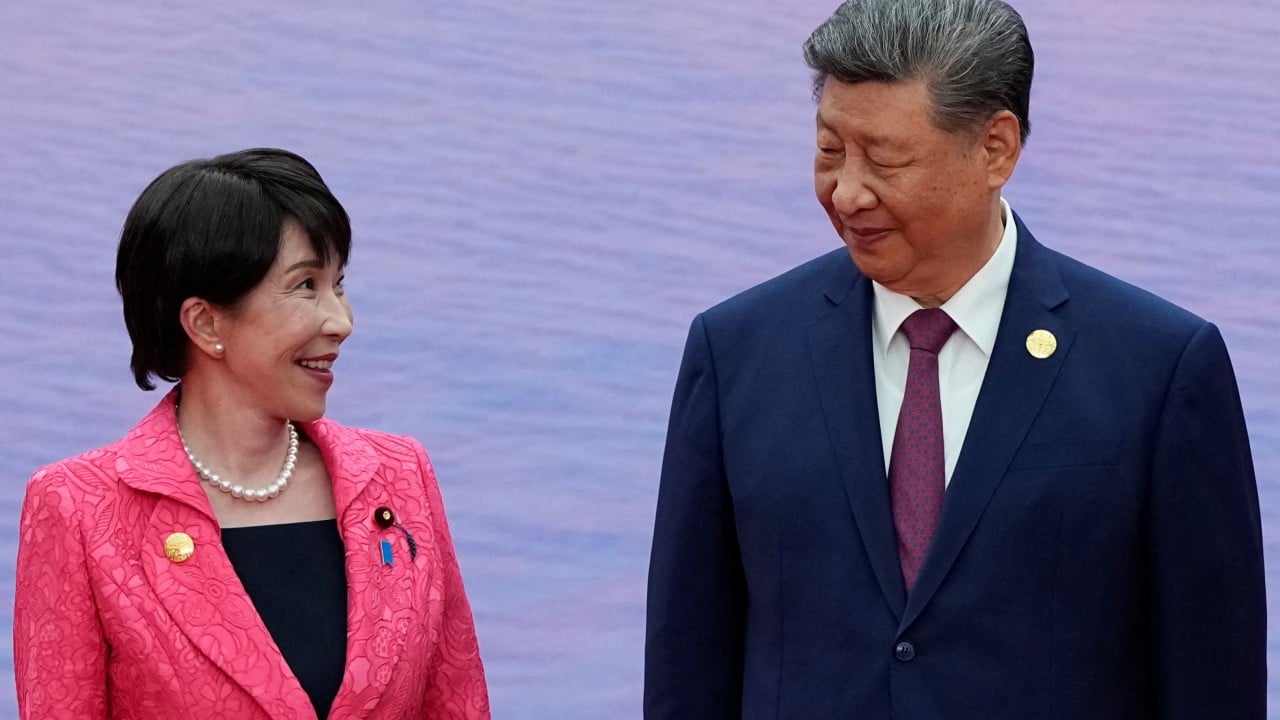
Eleven seconds. That's how long Chinese President Xi Jinping held Japanese Prime Minister Sanae Takaichi's hand before the welcome banquet at the 2026 Asia-Pacific Economic Cooperation summit in Shenzhen.
Xi offered a slight smile. He didn't say a word.
If you only skimmed the headlines, you probably walked away thinking Beijing simply humiliated Tokyo and left it at that. That reading misses half the chessboard. Look closer at the choreography in Shenzhen during mid-November 2026, and a much sharper story emerges about how Beijing weaponizes protocol, why Tokyo walked into the room anyway, and what this cold standoff actually costs both economies.
The Airport Snub Was Pure Diplomatic Theater
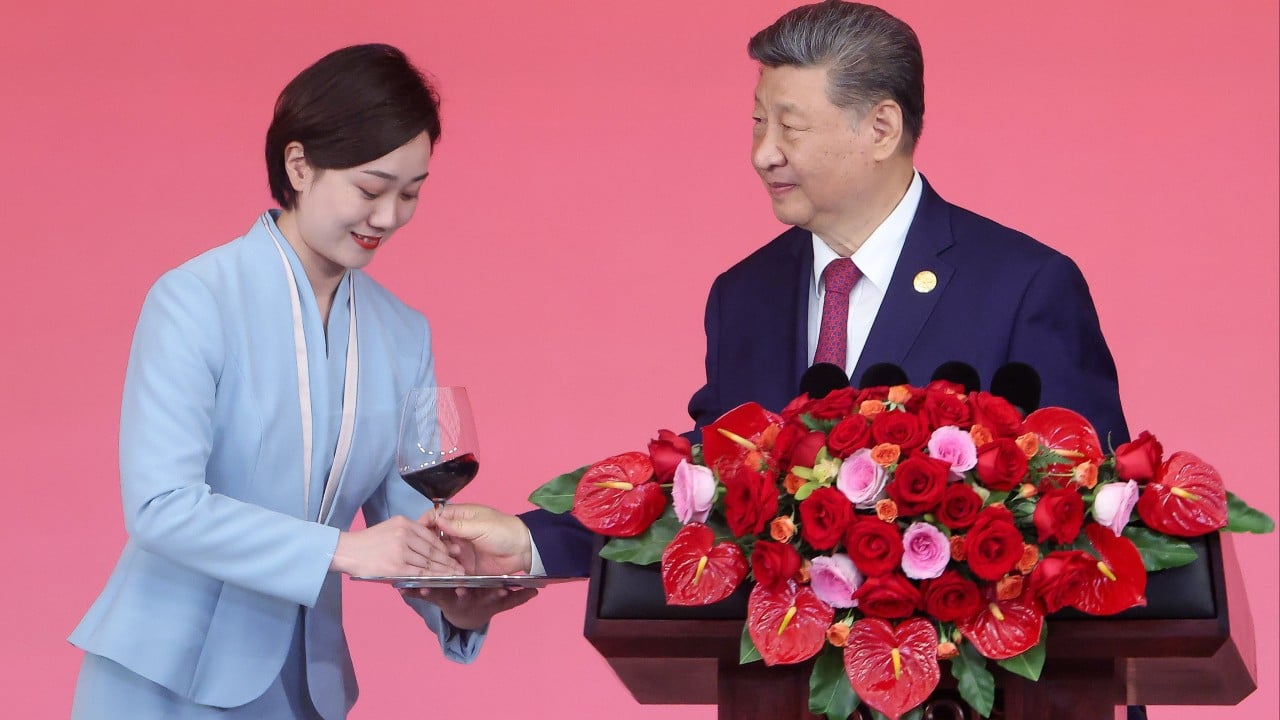
China doesn't do accidental protocol. When world leaders touched down in Shenzhen for the summit, Beijing rolled out military bands, cheering crowds with bouquets, and top-ranking officials on the tarmac. South Korean President Lee Jae Myung and First Lady Kim Hea Kyung got the full red-carpet treatment. Xi even broke decades of diplomatic precedent to greet U.S. President Donald Trump personally at the airport.
Then came Takaichi, making the first trip to China by a sitting Japanese prime minister since 2019.
No military band played. No senior cabinet official waited at the bottom of the stairs. Instead, Beijing sent Zhang Qiyue, a retired diplomat and former ambassador to Greece and Belgium. Even the boarding stairs had a technical glitch that left an awkward gap on the tarmac.
In East Asian statecraft, who greets you at the airport tells you where you sit in the pecking order before a single policy paper hits the table. By dispatching a retired envoy while showering Seoul, Washington, and Moscow with fanfare, Xi's protocol team sent an unmistakable signal to domestic Chinese audiences and regional observers alike. Beijing wanted everyone watching to know that Tokyo wasn't getting a warm embrace.
Yet look at the nuance most commentators ignored. Zhang Qiyue served as ambassador to Belgium—the seat of the European Union—during periods of complex trade diplomacy. Sending a seasoned, albeit retired, envoy rather than a mid-level municipal bureaucrat kept the door cracked open just a millimeter. Beijing wasn't severing ties. It was putting Takaichi on probation.
Why Xi Refused Formal Talks With Takaichi
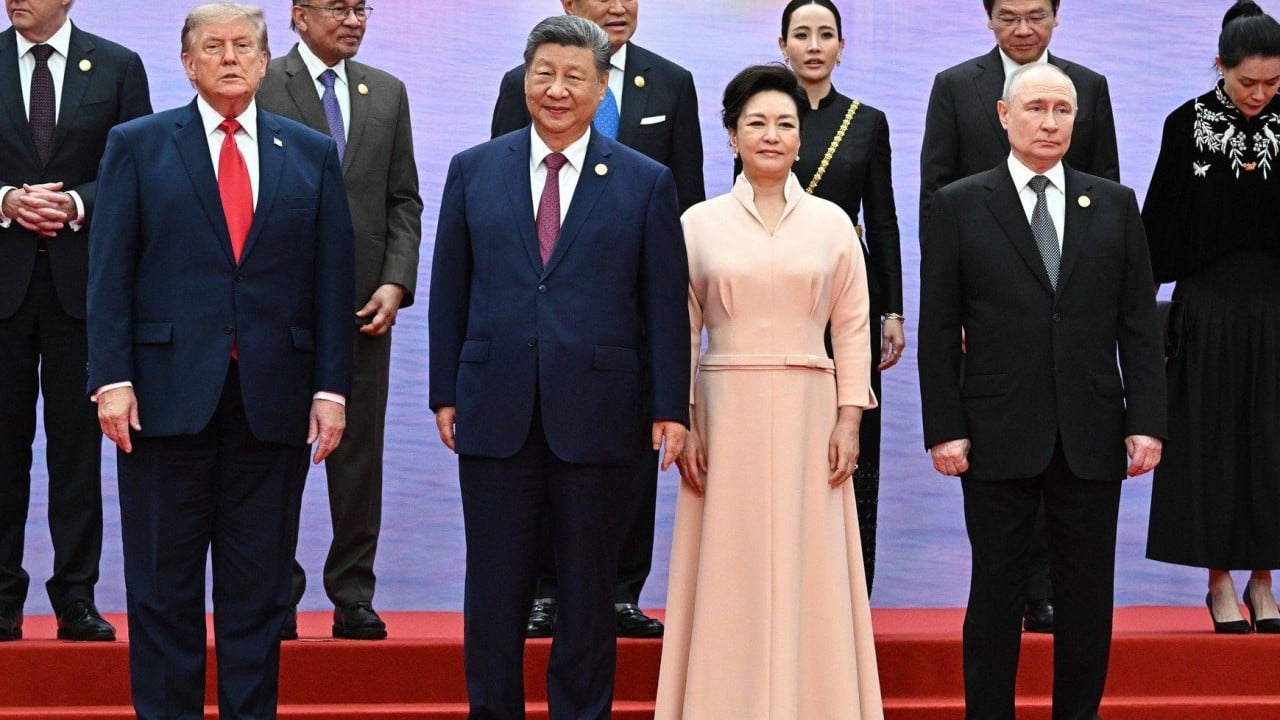
People keep asking why Xi granted bilateral meetings to South Korea's Lee Jae Myung and held a historic three-way summit with Trump and Russian President Vladimir Putin, yet refused to sit down with Takaichi.
The freeze didn't start at the banquet hall. It traces directly back to 2025, shortly after Takaichi took office in October of that year. During parliamentary debates, Takaichi suggested that a Chinese blockade or military move against Taiwan could constitute a "survival-threatening situation" for Japan. Under Japanese security legislation, that specific legal threshold allows Tokyo to deploy its Self-Defense Forces in collective self-defense alongside allies.
Beijing exploded.
From the perspective of the Chinese Communist Party, a Japanese leader publicly linking Taiwan's security to Japan's own survival crosses a bright red line. Chinese state media, including the Global Times, repeatedly demanded that Takaichi formally retract her remarks before normal high-level engagement could resume.
Takaichi never retracted them.
Instead, she added fuel to the fire in October 2026 by sending a ritual wooden plaque and tree offering to Tokyo's Yasukuni Shrine during its Autumn Festival. To Chinese leaders—and plenty of South Koreans—Yasukuni remains a symbol of unrepentant wartime militarism because it enshrines convicted Class-A war criminals alongside Japan's war dead.
So when Takaichi landed in Shenzhen a month later, Xi faced a political trap of his own making. Ahead of the 21st National Congress of the Chinese Communist Party in fall 2027, Xi can't afford to look soft on a conservative Japanese prime minister who talks openly about defending Taiwan and honors Yasukuni. Granting her a formal bilateral summit without a public concession from Tokyo would have handed nationalist critics at home ammunition.
The silent, 11-second handshake solved Xi's dilemma. As host of APEC, China couldn't outright bar a member economy's leader from the group photo or the welcome dinner. By smiling without speaking, Xi fulfilled the bare minimum duties of a summit host while denying Takaichi the diplomatic photo-op she needed back home.
What Actually Happened Behind the Scenes in Shenzhen
Here's where the story gets interesting, and where surface-level news coverage falls short.
Takaichi didn't fly to southern China just to get snubbed on a tarmac. She arrived with a calculated diplomatic playbook of her own, and she executed it with surprising discipline.
Takaichi Took the Initiative on the Handshake
Body language analysts and diplomatic observers noted that Takaichi wasn't passive during that brief encounter before the banquet. She stepped forward proactively, extended her hand, and thanked Xi directly for hosting the APEC summit and making arrangements for her visit.
That single gesture flipped the optics for domestic Japanese voters. Rather than looking cornered or humiliated, she projected calm persistence. At her press conference in Shenzhen on November 20, she leaned into that exact framing. She reaffirmed that Japan's basic position on Taiwan remained consistent with the 1972 Japan-China Joint Communiqué, while flatly refusing to apologize for her earlier defense assessments.
The Putin Sideline Meeting Was a Warning Shot
While Xi kept his distance, Takaichi held a face-to-face meeting with Vladimir Putin lasting more than 30 minutes.
Think about the geometry of that room. Xi was busy staging a three-way peace declaration with Trump and Putin—an event Xi used to highlight China, Russia, and the United States as the victorious powers of World War II. That historical framing was an implicit jab at Japan right in front of its prime minister.
By securing her own 30-minute session with Putin to press him on the detention of a Japanese journalist and the treatment of Japanese businesses in Russia, Takaichi proved she wasn't isolated on the sidelines. She demonstrated to Beijing that Tokyo still commands direct channels with Moscow even while aligning closely with Washington.
Washington's Quiet Pressure
You also can't separate the Shenzhen handshake from American leverage. According to diplomatic reporting around the summit, Trump privately urged Xi to engage with Takaichi and ease Chinese export curbs hitting Japanese industries.
Washington has a clear stake here. If Beijing squeezes Japanese supply chains too hard over Taiwan rhetoric, Tokyo either bends under economic pressure or accelerates its military buildup even faster. Neither outcome helps the White House manage stability in the Indo-Pacific. Xi didn't cave to Trump's request for a full bilateral sit-down, yet the silent smile at the banquet looked very much like a calibrated nod to Washington's pressure without giving Tokyo a concrete win.
The Real Stakes Behind the Diplomatic Freeze
Diplomatic snubs make great cable news clips, but businesses and citizens pay the actual bill when Asia's two largest economies stop talking.
Look at what's happening away from the cameras:
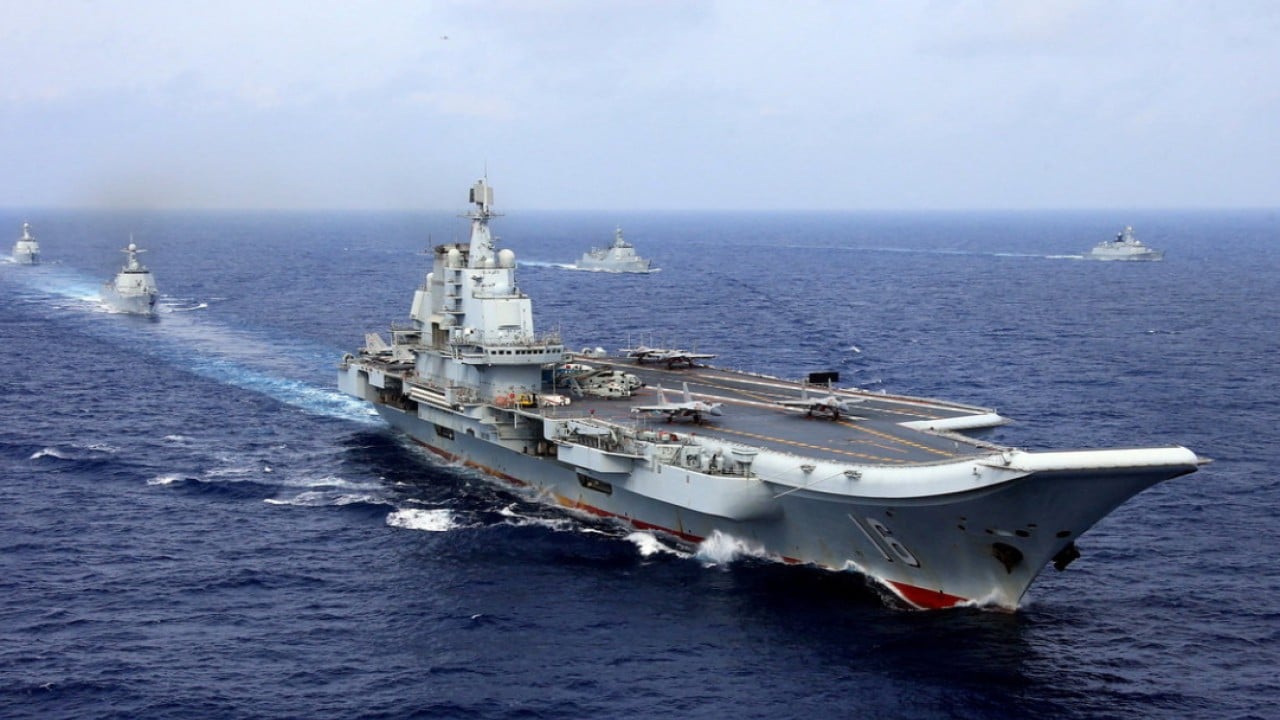
- Maritime friction is climbing again. Less than a week after the Shenzhen summit ended, on November 26, 2026, two Chinese coast guard vessels entered waters near the disputed Senkaku Islands—which Beijing calls the Diaoyu Islands—and approached a Japanese fishing boat. Japan's coast guard issued repeated warnings while Beijing claimed it was enforcing domestic law. It echoed a similar standoff from July 2026. When top leaders stop talking, coast guard captains on the water have zero guardrails to prevent an accidental collision from spiraling.
- Supply chain anxiety is back on corporate boards. Chinese export restrictions on critical minerals and dual-use components have already forced Japanese manufacturers to accelerate diversification into Southeast Asia. Without ministerial-level economic dialogues, Japanese firms operating in mainland China face regulatory uncertainty every time political rhetoric flares up.
- Domestic pressure is squeezing Takaichi too. Don't assume Japanese voters uniformly cheer a hardline stance. Polls released in late November 2026 showed nearly 40 percent of Japanese respondents disapproved of Takaichi's handling of China relations. Small and mid-sized Japanese businesses rely heavily on Chinese tourism and component trade, and they're growing nervous about a prolonged deep freeze.
Why Most Analysts Misread What Comes Next
Many pundits treated the silent handshake as proof that Sino-Japanese ties are locked in permanent winter. Scholars like Zhiqun Zhu, analyzing the Shenzhen summit for the Toda Peace Institute, pointed out a subtler reality. Takaichi has noticeably dialed down her sharpest campaign-style rhetoric on Taiwan since taking office, even if she won't publicly eat her words.
Both governments are trapped by domestic politics, yet neither wants an economic rupture. China needs foreign investment and regional trade stability as it manages domestic economic headwinds. Japan needs predictable trade flows while it debates how to fund rising defense budgets without wrecking its public finances.
That creates a weird, brittle equilibrium. You won't see warm smiles or joint press conferences anytime soon. What you will see is quiet, working-level diplomacy resuming behind closed doors while public gestures stay icy.
How to Read China-Japan Signals Without Falling for Headlines
If you track Asian geopolitics, manage regional supply chains, or invest in East Asian markets, stop judging Beijing-Tokyo relations by airport arrival footage. Watch three concrete indicators over the next six months instead:
- Track ministerial working groups, not leader photo-ops. Watch whether Japan's Foreign Minister Toshimitsu Motegi and Chinese Foreign Minister Wang Yi hold unannounced sideline meetings at upcoming regional forums. Real policy compromises on export licenses and visa rules happen at the ministerial level long before Xi shakes hands with a smile and a sentence.
- Monitor export licensing delays on rare earths and gallium. Skip the state media editorials and watch customs clearance times for Japanese electronics and auto suppliers. When Beijing wants to punish Tokyo, it slows down export permits. When customs times normalize, a thaw is underway regardless of what the newspapers say.
- Watch the frequency of Senkaku coast guard patrols. Keep an eye on official patrol logs from the Japan Coast Guard. A drop in prolonged territorial-water intrusions near the islands is the clearest signal that Beijing has instructed its maritime forces to lower the temperature.
For deeper context on the diplomatic standoff, you can watch coverage of Japan's Takaichi gets muted welcome at APEC, which captures the stark contrast between Beijing's reception for Tokyo and its fanfare for other regional leaders at the Shenzhen summit.