When streets in Paris, Marseille, and Lyon burned in October 2026, Donald Trump didn't just watch from Washington. He turned France's political turmoil into a midterm campaign prop thousands of miles away.
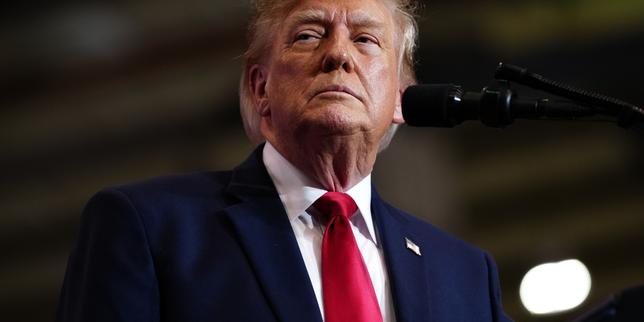
Anyone tracking the 2026 midterms saw that playbook right away. Standing before crowds in places like Kansas, Trump pointed to clashes between French protesters, rioters, and police as a warning of what happens if American voters hand power back to Democrats. Yet that quick political stunt missed something much bigger underneath.
Trying to weaponize France's crisis worked as a distraction for a few days, not as a winning strategy. Voters in November cared far more about groceries, energy bills, and foreign conflicts at home than smoke rising near the Place de la République.
Why the 2026 midterms collided with France's street crisis
Political opportunism across borders is nothing new, though the timing in October 2026 made it especially loud. France was already locked in a fragile parliamentary stalemate after President Emmanuel Macron's 2024 dissolution of the National Assembly, leaving Prime Minister Sébastien Lecornu's government facing school blockades, yellow vest rallies, union marches, and violent clashes that injured hundreds of police officers and demonstrators.
Chatham House analysts noted that the riots hit France while public debt was approaching 119 percent of GDP and damage estimates exceeded €1.2 billion. For a campaigning president facing rough approval numbers at home, images of burning barricades and boarded-up shops offered a ready-made visual shortcut.
Instead of explaining the messy mix of French grievances—underfunded schools, cost-of-living anger, police clashes, and opportunists looting storefronts—Trump flattened the whole episode into a simple culture-war warning about migration and the left. French officials pushed back sharply, calling that framing a distortion of complex domestic unrest.
A familiar foreign bogeyman for domestic voters
When domestic economic news gets sticky, politicians love pointing overseas. It shifts the spotlight from local household budgets to dramatic foreign headlines.
During the 2026 midterms, that approach had an obvious flaw. Americans feeling squeezed by high prices and unsettled by military escalation involving Iran weren't looking for a lecture about French riot laws. A viral clip from Paris can fire up a base rally for ten minutes, yet it rarely changes a swing voter's mind at the checkout counter.
How French politicians reacted to Trump's playbook
Watching how French leaders handled Trump's remarks tells you plenty about Europe's own political fault lines. Leaders on the French right and far right saw opportunity in France's street disorder, too, hammering Macron's administration over public order and drift.
At the same time, closeness to Trump became a tricky balancing act. Even figures associated with France's National Rally—including Marine Le Pen and party president Jordan Bardella—had to navigate domestic voter sensitivities, especially after economic fallout from the conflict in Iran rattled global markets.
As The Guardian reported after the vote, European populists quickly emphasized their own national priorities rather than tying their fortunes too tightly to a Republican midterm setback. Meanwhile, pro-European figures like Raphaël Glucksmann pointed to the Democratic gains in Congress while warning that Trump still wields strong executive leverage on foreign affairs.
Why foreign crises rarely rescue a tough midterm map
If you follow campaigns closely, you've probably seen candidates try to import a foreign crisis at the eleventh hour. Usually, it sounds clever in a war room and falls flat on election night.
Here is why that happens so often:
- Pocketbook issues crowd out distant drama: Voters judge their own paychecks, rent, and utility bills first, even when cable news runs nonstop footage from abroad.
- Context gets lost in translation: French protests have distinct triggers—from lycée blockades to pension and tax debates—that don't map cleanly onto American congressional districts.
- Base applause isn't a majority: Rally crowds cheer sharp lines about foreign disorder, yet midterm majorities depend on persuadable voters in competitive seats.
When the November 2026 results rolled in, Democrats flipped control of both the House and the Senate, reversing Republican congressional majorities and proving that domestic dissatisfaction outweighed foreign scare tactics. Honestly, that shouldn't surprise anyone who watches midterm cycles closely. Midterms are usually a referendum on what's happening at home, not a debate over Paris street policing.
What this means for transatlantic politics going forward
Don't assume Trump's midterm defeat ends his influence over European debates. As analysts like Romuald Sciora noted on Public Sénat, a U.S. president still holds wide room to maneuver in foreign policy even after losing congressional majorities.
For France, the real test isn't what Trump says at a rally. It's whether Paris can steady its public finances, cool social tensions, and govern through a divided parliament ahead of the next presidential cycle. If you're following how U.S. domestic politics bleeds into European campaigns, track the policy trade-offs—tariffs, security commitments, and energy costs—rather than chasing every soundbite.
To read this dynamic sharper next time:
- Separate rhetoric from leverage: Check whether a foreign comment reflects actual policy pressure or just campaign theater.
- Follow domestic economic data: Watch inflation, debt yields, and employment numbers in both countries to see what actually drives voter behavior.
- Read local French coverage alongside U.S. reports: Comparing outlets in Paris and Washington helps spot where details are oversimplified across borders.
Trump attacks migrants and communists as he tries to exploit France unrest