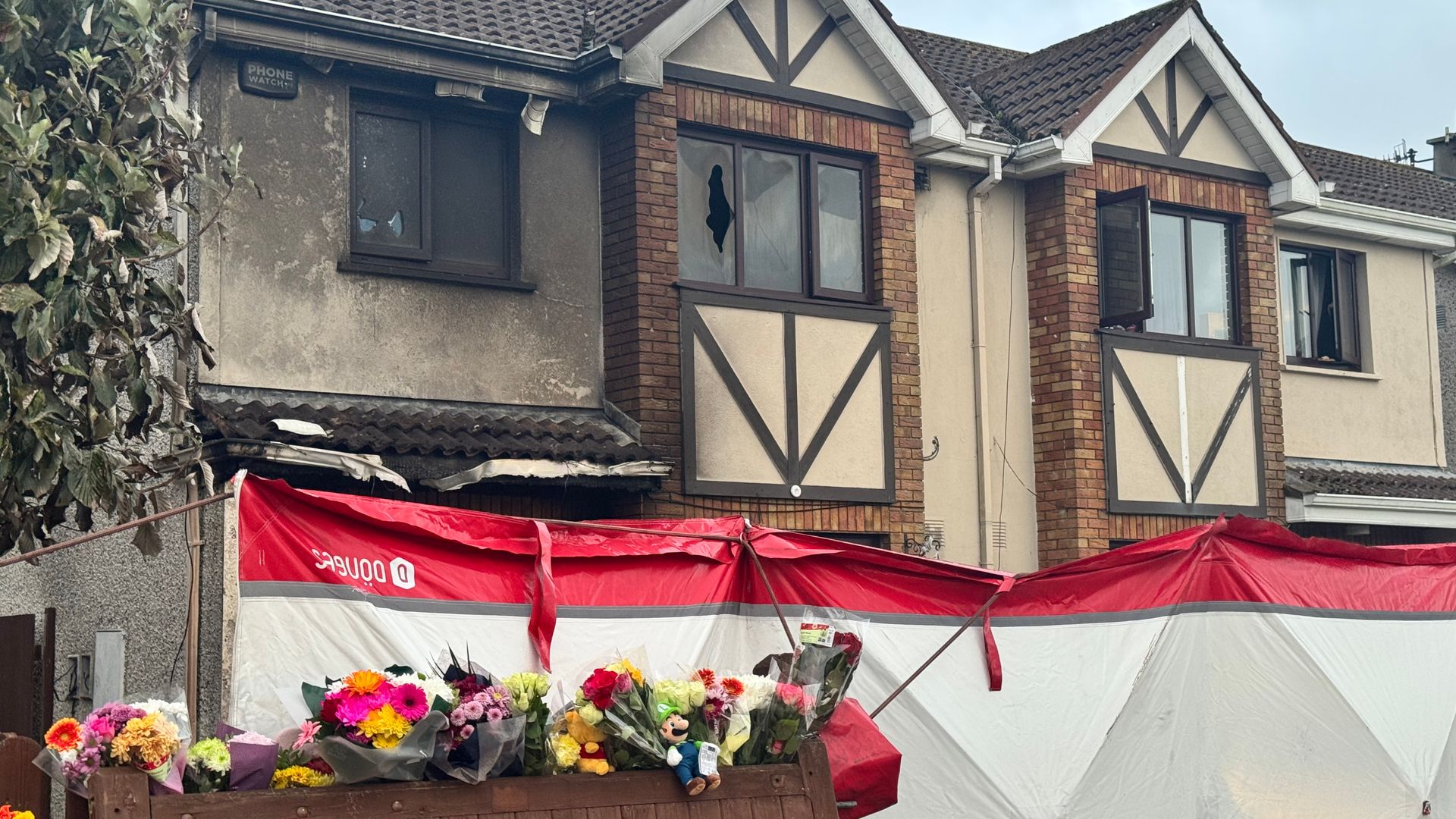
Most news outlets reduced the death of six-year-old Elliot English to a three-sentence wire brief. They told you a boy died in hospital after a house fire killed four members of his family, slapped on a generic police quote, and moved on to the next headline. That surface-level coverage misses the real story entirely.
Elliot English didn't die in a tragic domestic accident. He became the fifth victim of a targeted, early-morning arson attack in Waterford City, Ireland—an attack police link directly to organized crime intimidation and drug-debt extortion. If you want to understand why this tragedy shook Ireland to its core, and why detectives are still arresting suspects weeks later, you have to look past the initial headlines. Meanwhile, you can find similar developments here: Why Elevating Stephen Miller After a Midterm Rout Is Strategic Realism Instead of Panic.
What Really Happened in Birchwood
Shortly after 5 a.m. on Tuesday, October 13, 2026, an arson attack tore through the English family's home in the Birchwood area of Waterford City. At that hour, everyone inside was asleep and trapped.
Four family members died as a direct result of the blaze. Parents Philip and Kim English lost their lives alongside two of their sons, 12-year-old Callum and nine-year-old Jayden. To see the complete picture, check out the excellent analysis by Associated Press.
Two other children were pulled from the wreckage with severe injuries and rushed to hospital. For more than three weeks, six-year-old Elliot fought for his life at Children's Health Ireland at Crumlin in Dublin. On Friday, November 6, he succumbed to his injuries. His 14-year-old sister survived, remaining in hospital for treatment as the sole immediate survivor of the household.
Why Standard News Reports Get the Framing Wrong
When breaking news sites publish headlines like "Boy dies in hospital after house fire," readers naturally assume faulty wiring, an overloaded power strip, or an unattended candle. Honestly, that framing sanitizes what actually occurred.
An Garda Síochána—Ireland's national police force—treated the Birchwood fire as a multiple murder investigation from the jump. Calling it a "house fire" without context obscures the brutal reality that someone deliberately firebombed a home with five children inside.
The Organized Crime Connection Behind the Attack
You can't separate Elliot's death from the wider epidemic of drug-debt intimidation across Ireland. According to investigative reports and Garda intelligence, detectives suspect the Birchwood attack was orchestrated by an organized crime network trying to extort €20,000 over an alleged drug debt.
Here is the detail that makes this case even more sickening. Philip English's adult son from a previous marriage, John James English, stated publicly that the disputed financial debt didn't even belong to his father. It had been incurred by someone else entirely.
How Local Foot Soldiers Are Used for Extortion
In Ireland's modern gangland ecosystem, senior crime figures rarely get their own hands dirty. Garda intelligence indicates that overseas bosses—some operating out of Spain—direct local factions to carry out petrol-bombings and arson attacks to enforce payment.
- Coerced operatives: Low-level runners or individuals who owe smaller debts themselves are frequently pressured or paid small sums to carry out terrifying attacks on residential homes.
- Escalating violence: Garda Commissioner Justin Kelly noted that additional petrol-bombings occurred elsewhere in Ireland on the two days immediately following the October 13 Waterford attack.
- Collateral damage: Because amateur operatives use accelerants at night without regard for who is inside, innocent families end up paying the ultimate price.
It's a ruthless business model. By burning down a house over a €20,000 dispute, a syndicate sends a message to dozens of other debtors in the region. They don't care if they hit the wrong target or kill children in their beds.
Where the Police Investigation Stands Now
If you only read the November 6 coverage when Elliot passed away, you missed major developments in the criminal case. Detectives based at Waterford Garda Station, backed by the National Bureau of Criminal Investigation, have been steadily dismantling the network around the attack.
So far, eight people have been arrested in connection with the investigation.
Charges and Ongoing Detentions
Four of the initial individuals arrested were released without charge as investigators mapped out who did what. Two suspects—31-year-old Jessica Dalton and 21-year-old Cian Stacey—were formally charged with criminal damage and two counts of Section 4 assault causing serious harm. Both were remanded into custody ahead of video-link court appearances.
Then, on Monday, November 23, Gardaí arrested two more men in their twenties in Waterford. Rather than holding them solely on standard arson charges, detectives detained them under Section 50 of the Criminal Justice Act 2006. That specific legislation targets suspected participation in or contribution to organized criminal gang activities, allowing officers extended detention periods to interrogate suspects and break down group silence.
Notice what hasn't happened yet. Neither Dalton nor Stacey has been charged with murder so far, and Chief Superintendent Anthony Pettit has confirmed that forensic and operational inquiries remain active. Prosecutors in Ireland typically wait until the Director of Public Prosecutions reviews the complete forensic file—especially after a fifth victim dies weeks later—before upgrading charges to murder.
A Community Left Grieving Five Lives
Numbers in a police report flatten human lives into statistics. Behind the legal sections and arrest tallies is a family wiped out in less than a month.
Philip, Kim, Callum, and Jayden were laid to rest on October 22 following a requiem Mass at the Sacred Heart Church Parish Centre in The Folly, Waterford. Mourners heard them described as "the salt of the earth and lights in this community," while clergy challenged those responsible to confront the evil of what they had done.
Three weeks later, on Friday, November 13, the community gathered again—this time to bury six-year-old Elliot. His aunt Jackie spoke at the service, remembering him as a vibrant little boy and hoping the peace he found was as gentle as the love he left behind. His 14-year-old sister was there for his final moments before returning to her own ongoing medical recovery.
How to Follow Verified Updates and Support Victims
When a high-profile criminal case unfolds, social media rumors spread faster than verified facts. Naming suspects online or repeating unverified claims about motives doesn't just spread misinformation—under Irish law, prejudicial commentary can actively jeopardize future murder trials.
If you want to stay informed or help families affected by violent crime and intimidation, stick to concrete actions:
- Rely on primary court and Garda reporting. Follow updates directly from An Garda Síochána press releases or established Irish outlets covering Waterford District Court, rather than viral social media threads.
- Report intimidation early. Anyone experiencing threats or drug-debt coercion in Ireland can contact the Garda Confidential Line at 1800 666 111 or reach out to local Citizens Information centers, which connect families with specialized Drug-Related Intimidation Reporting Programme inspectors.
- Verify community fundraisers before donating. Always check that GoFundMe or parish appeals for the surviving family are directly endorsed by known relatives or local Waterford community leaders before sending money.
Watch for further updates from Waterford District Court starting December 1, when the first charged suspects return via video link and prosecutors address the upgraded scope of the investigation.