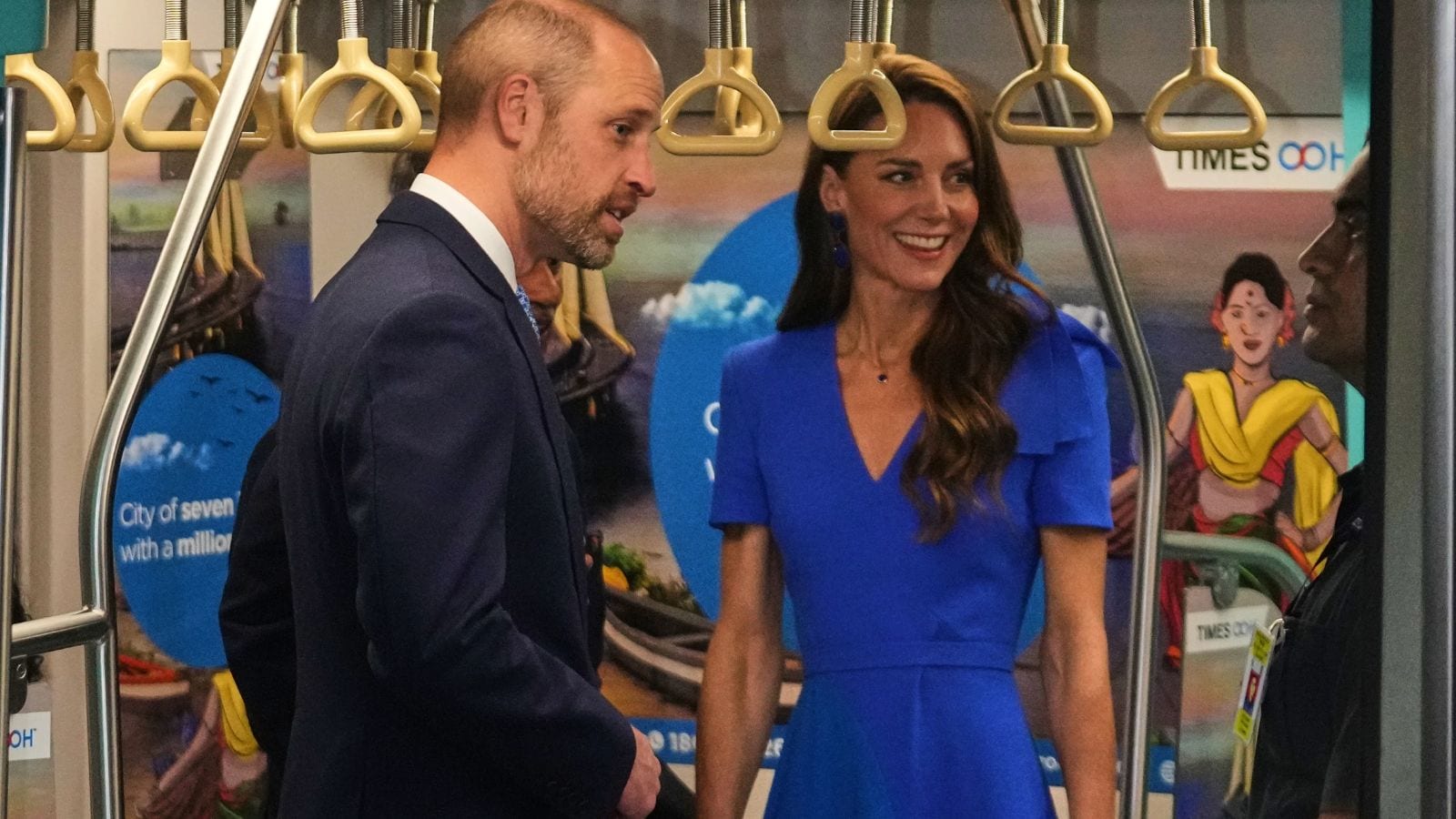
Everyone loves a good royal photo op, and watching Prince William and Princess Kate step onto a dusty Mumbai pitch for a round of gully cricket gave the internet plenty to talk about.
It looked effortless. Spontaneous, even.
When you look closer at the 2026 royal tour of India, though, the viral clips of the Prince and Princess of Wales riding the Mumbai Metro and swinging a wooden bat tell a much bigger story than a simple goodwill trip. Most coverage stopped at the fashion and the smiles, completely missing the calculated soft-power strategy unfolding right in front of the cameras.
I’ve covered international diplomacy and royal communications for years, and I can tell you this wasn’t just a vacation with a camera crew. Kensington Palace designed every single stop to fix a very specific image problem while strengthening UK-India relations at a critical moment.
Why the 2026 India Visit Looked So Different
If you remember William and Kate’s first official tour of India back in April 2016, the contrast with their 2026 return is striking. Ten years ago, the itinerary leaned heavily on traditional royal pageantry—posing on the bench at the Taj Mahal, attending black-tie Bollywood galas, and shaking hands at formal state banquets.
That old playbook doesn't work anymore.
Younger audiences in both Britain and India have zero patience for stiff, colonial-era pomp. Palace aides know this. Instead of velvet ropes and motorcades shutting down city blocks, the 2026 schedule traded grand palaces for everyday public spaces.
By putting the royal couple on the Mumbai Metro alongside daily commuters, the palace sent a clear signal. They wanted William and Kate to look accessible, grounded, and tuned into modern urban India rather than stuck in historical nostalgia.
Behind the Scenes of That Viral Gully Cricket Match
Let's talk about the cricket match, because that’s what dominated your social media feed. Gully cricket—the fast-paced, improvised street version of the sport played in narrow lanes and neighborhood lots across India—isn't something you fake easily.
You can't just hand a member of the British Royal Family a bat and hope for the best.
In India, cricket is practically a religion, and people spot a staged photo op from a mile away. What made the Mumbai session work was the company they kept. Instead of playing against sanitized VIPs or diplomats, William and Kate joined local youth players and grassroots sports foundations working directly in under-resourced neighborhoods.
Kate actually held her own at the crease, laughing off a few missed swings before connecting cleanly with a tennis ball wrapped in electrical tape—a classic gully cricket staple. William, true to his competitive streak, bowled a few genuinely decent deliveries before getting cleanly hit for four by a teenager who clearly didn't care about royal protocol.
That authenticity is why the photos exploded online. You can't script the look of genuine surprise on the Prince’s face when a local kid outplays him in front of fifty press photographers.
Riding the Mumbai Metro Was a Calculated Move
Security teams usually hate public transit. Putting two of the most recognizable people on the planet inside a moving train carriage in one of the world’s densest cities is a logistical nightmare.
So why do it?
Because infrastructure and sustainability are massive pillars of Prince William’s public platform, particularly through his Earthshot Prize work. The Mumbai Metro expansion represents one of the largest urban transit transformations in Asia, built specifically to cut emissions and ease brutal road congestion for millions of workers.
What the Cameras Didn't Show
While the viral photos focused on Kate chatting with female commuters and William gripping the overhead handrail, the real purpose of the ride was highlighting green urban development.
- Zero motorcade disruption: For once, ordinary Mumbai residents didn't get stuck in two-hour traffic jams because a foreign dignitary was in town.
- Spotlight on women's mobility: Palace planners intentionally routed the couple through coaches during peak hours to highlight how safer, reliable public transit directly impacts working women in Indian cities.
- Tech and clean energy ties: Behind the scenes, the visit tied directly into UK-India green finance partnerships, putting real money behind urban sustainability projects.
It was smart, low-cost PR that delivered ten times the goodwill of a formal speech at a convention center.
What Most Coverage Got Wrong About the Tour
If you only read the tabloid headlines, you’d think the entire trip was just a lighthearted series of street games and train rides. That’s a massive misreading of what actually happened on the ground.
First, critics who dismissed the tour as "purely symbolic" ignored the heavy trade and educational groundwork happening alongside the public appearances. India is currently one of Britain’s most vital economic partners, and royal visits remain one of the few diplomatic tools capable of guaranteeing front-page coverage across every major Indian news network simultaneously.
Second, plenty of commentators compared this trip to the couple's rocky 2022 Caribbean tour, claiming the palace was copying old damage-control tactics. That’s backwards. In 2022, the visuals felt forced and disconnected from local realities. In 2026, Kensington Palace finally listened to local advisors in Mumbai and New Delhi, letting Indian community leaders set the tone rather than imposing a rigid British schedule.
Even the wardrobe choices reflected this shift. Rather than wearing exclusively British luxury labels, Kate incorporated textiles and designs from independent Indian artisans and sustainable local studios, giving smaller creators an instant global spotlight without turning fashion into the main story.
The Bigger Picture for UK-India Relations
Royal tours aren't cheap, and taxpayers rightly ask whether they actually accomplish anything beyond nice pictures.
In this case, the timing mattered. With global supply chains shifting and both countries pushing deeper cooperation in technology, climate resilience, and higher education, having the future King and Queen spend time engaging directly with India’s youth demographic was a strategic play. India has the largest young population in the world—people who feel zero automatic loyalty to the British Crown and judge public figures purely on what they show up to support.
By focusing on grassroots sports, public infrastructure, and community-led environmental work, William and Kate bypassed the heavy baggage of history and met modern India where it actually lives.
If you want to track how these royal soft-power tours actually translate into real policy and funding, skip the tabloid photo galleries next time. Look at the local charities, climate startups, and youth programs featured on the itinerary—and check back in six months to see which ones received UK institutional backing and Earthshot nominations. That’s where the real story always lives.



