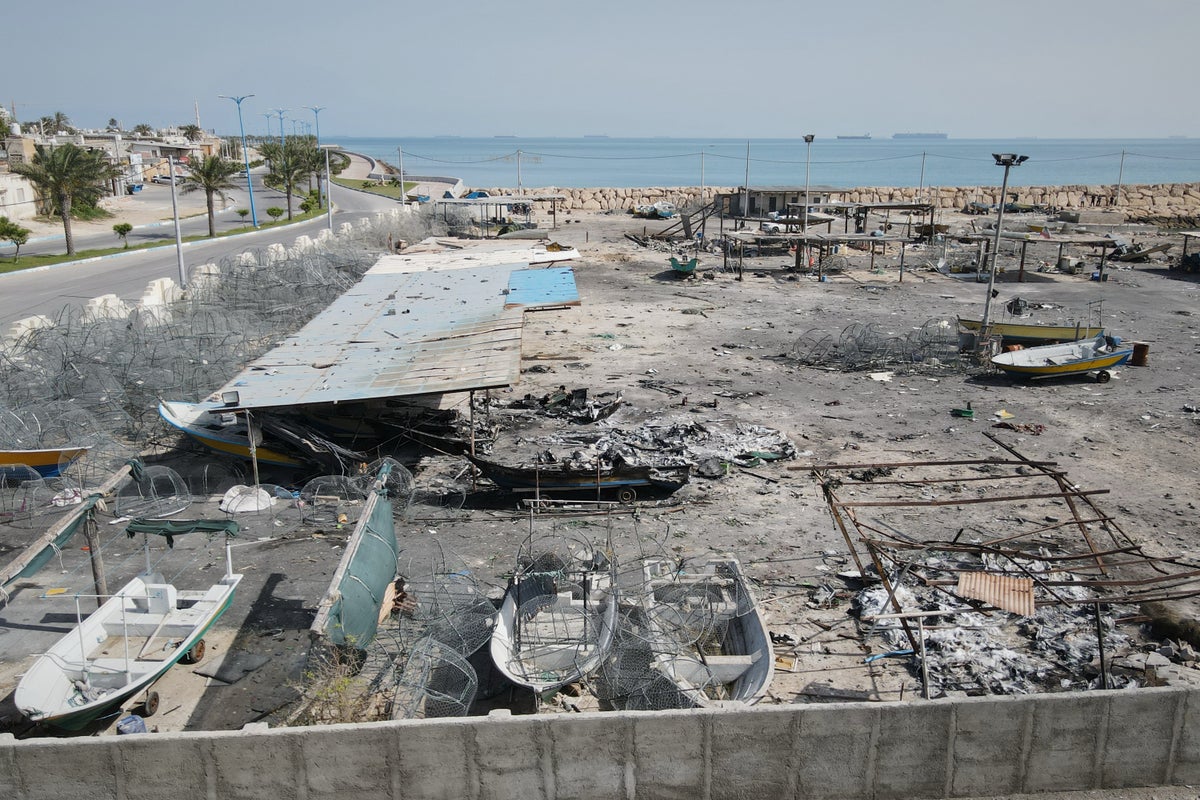
Oil markets are notoriously jittery, but right now, they're downright paranoid. If you've been watching the numbers at the pump and wondering why they aren't dropping despite a global shift toward electric vehicles or talk of an economic slowdown, look at the Persian Gulf. Most people think gas prices are a simple math problem involving supply and demand. It's not that clean. It's a psychological war zone where a single stray drone or a tense radio exchange between naval vessels can wipe out months of price stability.
You're seeing a massive disconnect between "paper oil" and the physical reality of moving crude through the Strait of Hormuz. We're talking about a narrow waterway where roughly 20% of the world's liquid petroleum passes every single day. When things get loud in that region, insurance premiums for tankers skyrocket. Those costs don't just vanish. They get passed directly to you at the local station.
The Hormuz Chokepoint and Your Wallet
The Strait of Hormuz is the world's most sensitive transit point. It's only about 21 miles wide at its narrowest. Think about that for a second. One-fifth of the world’s oil supply has to squeeze through a gap that small, bordered by nations that aren't exactly on the best of terms. When a tanker captain feels the heat from regional geopolitical posturing, the entire global supply chain holds its breath.
Energy analysts often talk about the "risk premium." It sounds like boring financial jargon, but it’s the reason you're paying an extra twenty or thirty cents per gallon. It’s the cost of fear. Traders aren't just buying oil; they're betting on whether that oil will actually reach its destination. If there’s even a 5% chance that a major shipment gets blocked or seized, the price jumps instantly.
I’ve watched these cycles for years. The market prices in the worst-case scenario long before it happens. Even if the ships keep moving, the threat that they might stop is enough to keep prices high. It’s a self-fulfilling prophecy of expensive fuel.
Why Tanker Insurance Is the Silent Killer
Most drivers forget that oil doesn't teleport. It travels on massive ships that require specialized insurance. In the Persian Gulf, this isn't a standard policy. When conflict flares up, "War Risk" premiums go through the roof.
During periods of high tension, these insurance rates can jump tenfold in a single week. A tanker owner isn't going to eat that cost. They hike the freight rates. By the time that crude reaches a refinery in New Jersey or California, it's already burdened by these invisible fees. You aren't just paying for the oil. You're paying for the security guard, the legal fees, and the massive insurance payouts that might happen if something goes wrong.
Global Logistics Are Already Stretched Thin
You can't look at the Persian Gulf in a vacuum. The global shipping industry is already struggling with a shortage of crews and aging fleets. When you add the threat of seizures or strikes in the Gulf, the logistics become a nightmare.
Ships often have to take longer routes to avoid specific zones. Longer routes mean more fuel burned by the tanker itself. It means more time at sea and fewer deliveries per year. It's a bottleneck on top of a bottleneck.
- Red Sea Diversions: Many ships that would normally head through the Suez Canal are taking the long way around Africa.
- Port Congestion: Uncertain schedules lead to pile-ups at major hubs.
- Limited Fleet: There aren't enough "clean" tankers to easily swap routes when one becomes too dangerous.
The Myth of American Energy Independence
I hear this a lot. "We produce our own oil, so why does the Middle East matter?" It’s a fundamental misunderstanding of how global markets work. Oil is a fungible commodity. That means a barrel produced in Texas is priced based on the global supply, not just what's happening in the backyard.
If the Persian Gulf shuts down, the rest of the world starts screaming for every available drop of American crude. That drives the price of U.S. oil up to match the global rate. You can't hide from a global price spike just because the oil came from the Permian Basin. Your local refinery is still competing with buyers in Europe and Asia who are desperate to replace lost Middle Eastern shipments.
Refining Capacity Is the Real Bottleneck
Even if we had all the crude oil in the world sitting in tanks tomorrow, gas prices wouldn't drop to two dollars. The U.S. hasn't built a major new refinery with significant capacity since the 1970s. We're running our current plants at nearly 90% capacity just to keep up.
When crude oil prices are volatile because of Persian Gulf trepidation, refineries get cautious. They don't want to buy expensive crude today if they think the price might crash tomorrow. Or, they might struggle to find the specific "sour" or "heavy" blends that many Gulf nations provide. Not all oil is the same. Refineries are like specialized kitchens; if they don't get the right ingredients from the Gulf, they can't just swap in something else without losing efficiency.
Seasonal Demand Meets Geopolitical Chaos
We're hitting the time of year when "summer blends" of gasoline become mandatory. These are more expensive to produce because they have lower volatility to prevent smog. Usually, we expect prices to rise slightly during this transition. But when you layer Persian Gulf instability on top of the seasonal shift, you get a double whammy.
The margin for error is zero. If a refinery goes offline for maintenance at the same time a tanker gets delayed in the Strait, you'll see a localized price spike that feels like a gut punch.
Don't Hold Your Breath for Relief
Wall Street loves to tell you that the "fundamentals" are strong. They’ll point to high production numbers in the U.S. and Brazil. They’ll tell you that China’s economy is cooling, which should lower demand. But fundamentals don't mean much when there’s a literal fog of war over the world’s most important energy corridor.
The reality is that we've entered a period of "permanent volatility." The old days of predictable, cheap energy are gone. We're now in an era where the price of your commute is tied directly to the diplomatic success or failure of nations thousands of miles away.
Expect gas prices to stay sticky. They might dip a few cents here and there, but as long as the Persian Gulf remains a tinderbox, the floor for fuel prices has shifted permanently higher.
If you're looking for a way to beat this, stop waiting for the market to fix itself.
- Monitor the Crack Spread: This is the difference between the price of crude oil and the price of the products refined from it. If the spread is widening, your gas prices will stay high even if oil prices drop.
- Audit Your Consumption: It sounds basic, but small changes in driving habits or vehicle maintenance are the only things you actually control.
- Watch the Insurance News: Forget the political talking heads. Watch what maritime insurance companies are doing. If they start raising rates in the Gulf, your gas price hike is roughly two weeks away.
The market is telling you exactly what it fears. Listen to it. The Persian Gulf isn't just a spot on a map; it's the thermostat for the global economy, and right now, someone has their hand firmly on the dial. Expect the heat to stay on.