We live in an era where political theater requires a masterclass in hypocrisy. Whenever a high-profile politician pulls out a note, a briefing paper, or a customized reminder card, opposing pundits treat it like a constitutional crisis. Then, the roles flip, and the outrage quietly vanishes.
Look at how Washington handles the humble cheat card. For years, conservative commentators tore into Joe Biden every time a press photographer snapped a long-lens photo of his briefing papers. Pundits went on primetime television to mock the idea that a commander-in-chief needed bullet points to remember statistics, reporter names, or basic greeting steps. They framed it as definitive proof of cognitive decline and administrative weakness.
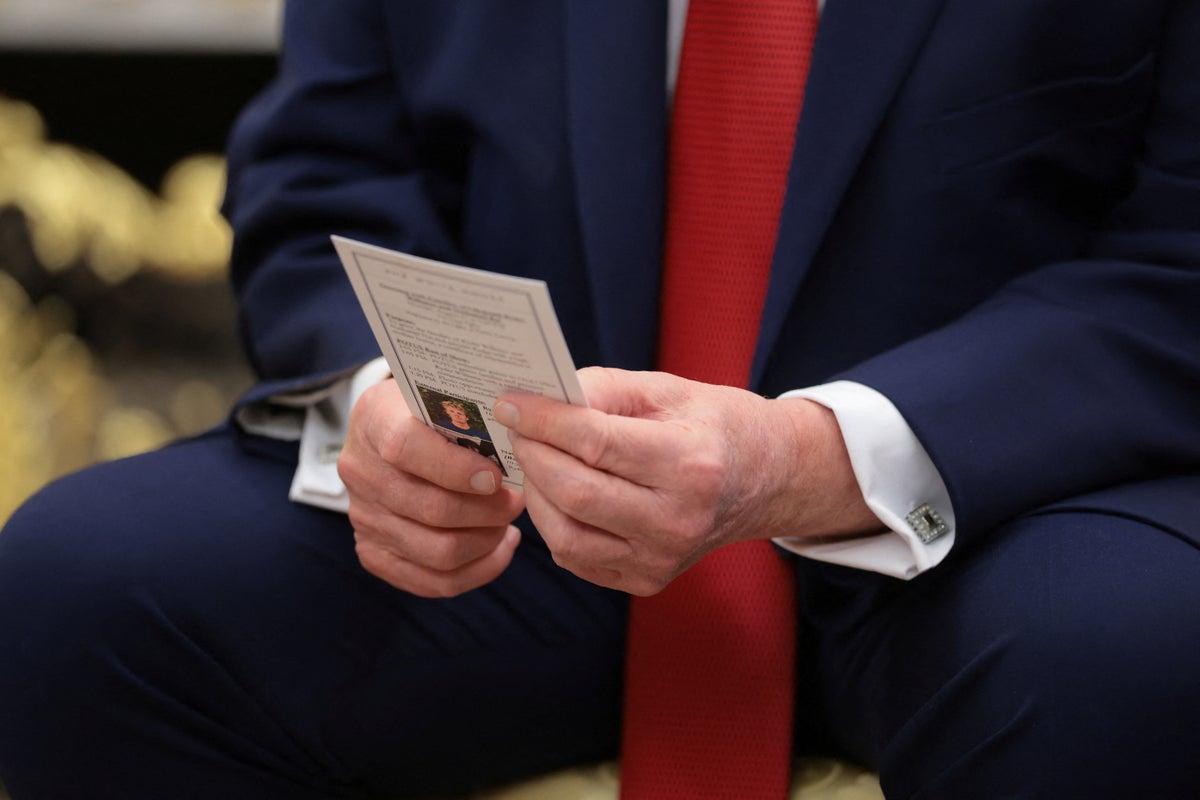
The double standard became impossible to ignore when cameras captured Donald Trump relying on similar prompts during high-stakes White House and public events. Photos emerged showing Trump holding structured reminder cards featuring biographical details and participant photographs for meetings. The cards were designed to keep discussions on track, ensure correct names were used, and prevent diplomatic miscues.
The Reality of High-Level Briefing Materials
Let's be honest about how executive governance actually works. Modern political figures maintain grueling schedules. They transition between dozens of complex security briefings, economic summits, and bilateral meetings every single week. Expecting any human being to memorize every precise statistic, foreign dignitary's background, or local stakeholder's name without a reference sheet is absurd.
Presidents from both parties have routinely used notecards, teleprompters, and briefing binders. During his impeachment trial, press photographs famously captured Trump's handwritten cue cards reminding him to emphasize key defense phrases. Barack Obama regularly relied on extensive teleprompters and bulleted cards. George W. Bush utilized carefully organized seating charts and briefing summaries.
The issue isn't the paper in their hands. It's the weaponization of routine preparation for partisan point-scoring.
Why Partisan Media Weaponizes Basic Preparation
When a political camp spends months lambasting an opponent for using cue cards, they trap themselves in a rhetorical corner. Hypocrisy becomes a default setting in modern political branding. Media ecosystems thrive on outrage cycles, and nothing fuels a twenty-four-hour news cycle quite like an image of a leader looking down at a piece of paper.
Voters should care less about whether a president uses a cheat card and focus more on the quality of the decisions being made. Memorizing trivia does not equal effective policy execution. A leader who checks a reference sheet to ensure accuracy is arguably doing due diligence rather than winging it on national television.
The next time a viral photo circulates showing a politician holding a scripted reminder, skip the manufactured outrage. Real governance requires heavy preparation, and even the most powerful leaders need a reminder of who is in the room.
Trump cheat sheet controversy explained
This video provides a detailed breakdown of how media outlets and political commentators react when political leaders are caught using briefing notes and notecards during press events.
http://googleusercontent.com/youtube_content/1