Geopolitics rarely operates in a vacuum, but agriculture operates on pure chemistry. When Washington announced intentions to secure a massive fertilizer pact with Belarus to bypass traditional suppliers in Canada, the political theater overshadowed a brutal physical reality. You cannot feed millions of acres of American farmland with diplomatic talking points.
For decades, the United States has relied on Saskatchewan for the overwhelming majority of its potash, the potassium-rich salt that forms an irreplaceable foundation of modern crop yields. Now, amid escalating trade hostilities with Ottawa, the White House has framed Belarusian supply as a cheaper, readily available alternative. It sounds like a neat strategic maneuver on paper. On the ground, it runs straight into a wall of logistics, contractual locks, and international friction.
The Logistics Abyss
To understand why a Belarusian pivot fails basic scrutiny, you have to look at a map and follow the supply chains. Saskatchewan is right next door. Hopper cars loaded at massive subterranean mines in western Canada roll directly across the border into the American Midwest with minimal transit time and predictable freight costs.
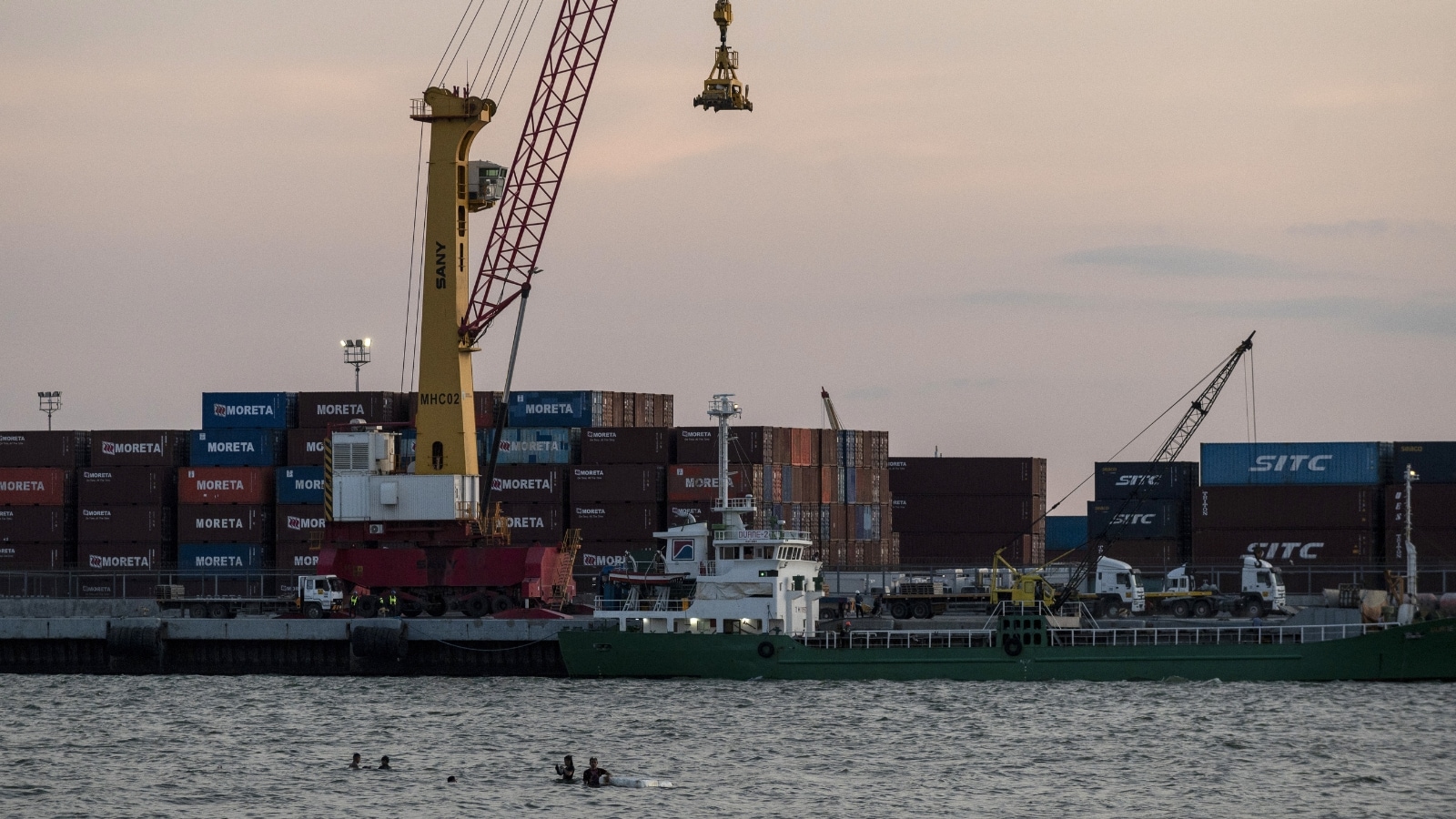
By contrast, Belarusian potash originates from state-owned deposits controlled by Belaruskali, deep inside Eastern Europe. To reach an American farm, that material must first be moved through Russia—itself heavily sanctioned and logistically constrained—before being loaded onto ocean-going vessels, shipped across the Atlantic, offloaded at a port, and finally trucked or railed inland.
Shipping salt halfway across the planet does not lower costs. It adds layers of transportation overhead, carbon expenditure, and vulnerability to maritime disruptions. The physical distance alone introduces friction that eats away at any initial discount promised by foreign ministries.
Contracts and Empty Silos
Even if the freight math somehow worked, Minsk does not possess the spot volume required to substitute for North American output. Belarusian President Alexander Lukashenko’s administration has spent years redirecting its export flows eastward toward Asian markets following Western sanctions.
Industry analysts tracking global fertilizer flows note that virtually all of Belarus’s exportable production is already heavily locked into long-term contracts. You cannot simply click a button and redirect millions of metric tons of mineral fertilizer from one hemisphere to another without breaking existing commercial obligations. When asked about Washington's sudden overtures, Belarusian officials themselves admitted that spare volume simply does not exist for a sudden Western influx.
The Cost of Political Realignment
Then there is the matter of what agricultural economists call "blood potash". Critics and regional leaders, particularly in Canada’s agricultural heartland, have pointed out the obvious moral and geopolitical contradictions. Procuring mineral assets from Minsk directly supports a regime deeply embedded in Moscow’s military apparatus.
For American farmers, who operate in global commodity markets sensitive to consumer perception and ESG standards, substituting Canadian product with material tied to authoritarian repression introduces reputational risks. More importantly, it substitutes a stable, politically aligned supply chain with one beholden to the whims of a volatile dictatorship closely allied with the Kremlin.
Trade wars create strange bedfellows and even stranger policy proposals. But agronomy does not bend to executive decree. Until domestic production scales up or alternative domestic deposits are brought online through massive capital investments, North American food security remains inextricably bound to the mines just north of the border. Wishing for a cheaper alternative from Minsk does not make the logistics real.
Trump promotes 'massive' Belarus potash deal to undercut Canada
This video provides additional context regarding the political announcements and economic arguments surrounding the proposed fertilizer trade maneuvers.