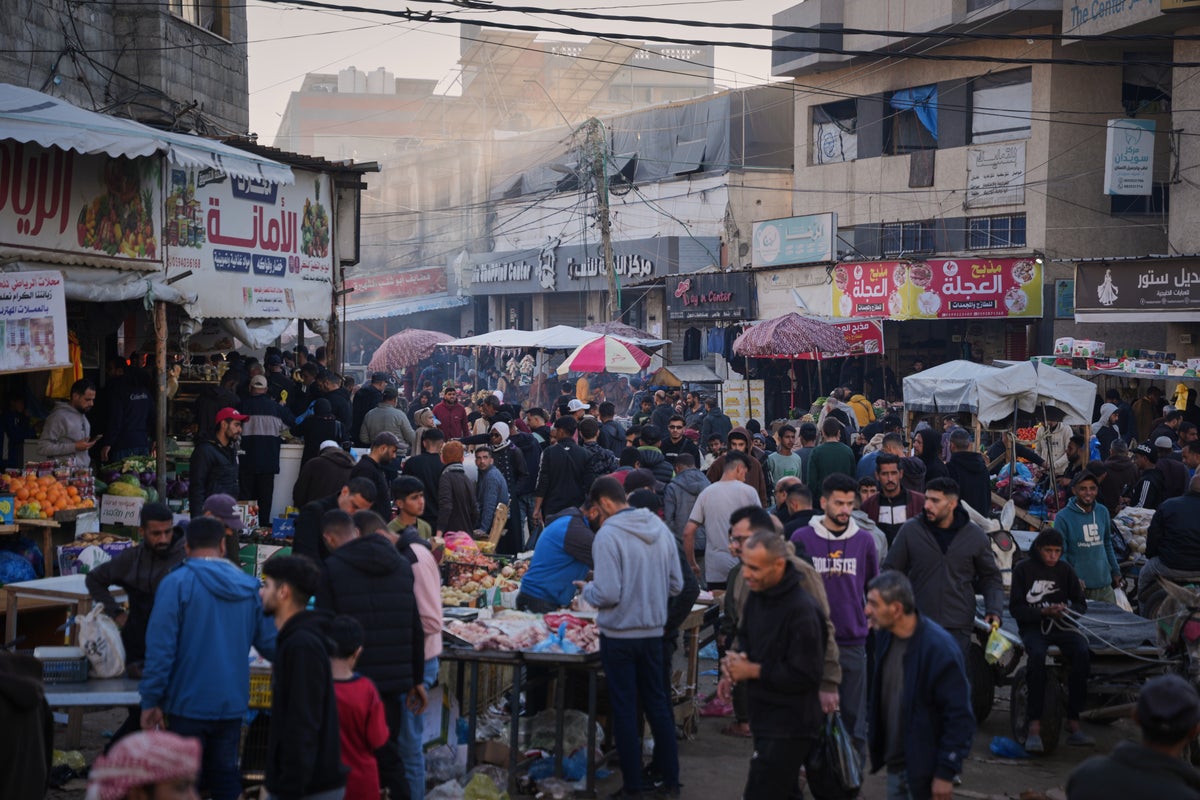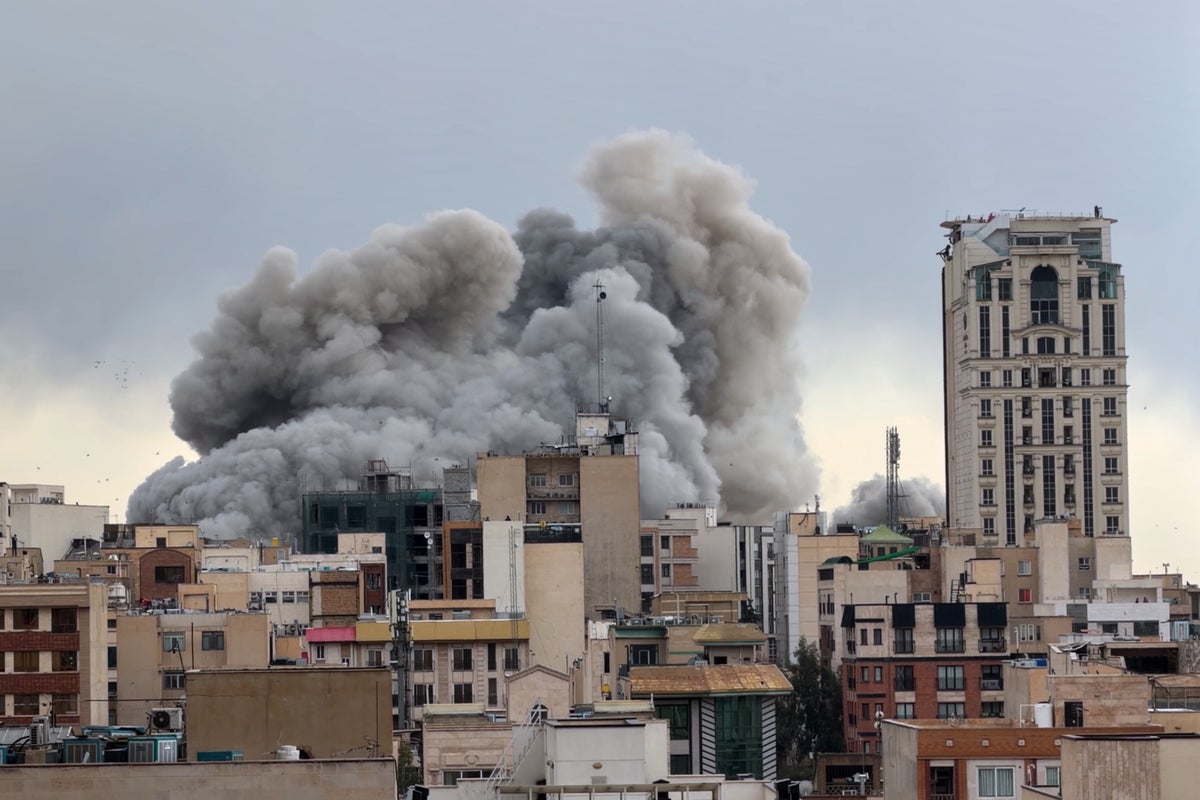
The escalating casualties across the Middle East are the direct byproduct of a high-stakes gamble that miscalculated the resilience of regional proxy networks. While the immediate catalyst involves direct military friction between Washington and Tehran, the actual crisis lies in the collapse of long-standing deterrents. This isn't just a localized skirmish. It is a fundamental shift in how power is brokered in the most volatile corridor on earth.
The current trajectory suggests that the "maximum pressure" campaign and its subsequent iterations have failed to achieve their primary goal: the isolation of Iranian influence. Instead, the strategy has pushed the region into a state of perpetual kinetic friction. Every strike on a base in Iraq or a tanker in the Gulf of Oman feeds a cycle where the cost of retreat for either side becomes politically impossible. We are seeing the blood-stained results of a policy that prioritized short-term tactical wins over a coherent long-term regional framework.
The Myth of Surgical Deterrence
For years, policymakers in Washington operated under the assumption that targeted strikes could "reset" the balance of power without triggering a broader conflagration. This was a grave error in judgment. When you remove a high-level operative or strike a command center, you aren't just deleting a target on a screen. You are creating a power vacuum that more radical, less predictable elements are eager to fill.
The death toll is rising because the battlefield has no clear borders. Unlike the conventional wars of the 20th century, this conflict is fought in the shadows of civilian infrastructure and through decentralized militias. These groups do not follow a traditional chain of command. When the central nervous system of a regional power is attacked, these "cells" often react with autonomous, asymmetric violence that diplomats find nearly impossible to negotiate away.
The Failure of Economic Warfare
Sanctions were supposed to be the "clean" alternative to boots on the ground. The theory held that if the Iranian economy was sufficiently squeezed, the leadership would be forced to the table or face internal collapse. The reality has been far uglier.
While the Iranian Rial has indeed plummeted, the clerical establishment has proven remarkably adept at survival. They have built a "resistance economy" that thrives on smuggling, black market oil sales, and deepening ties with Eastern powers. The people paying the price aren't the generals in Tehran. They are the families caught in the crossfire of the resulting instability in Lebanon, Yemen, and Syria. Economic misery has not bred democratic revolution; it has bred desperation, which is the primary recruiting tool for the very militias the West seeks to dismantle.
The Redefinition of Regional Alliances
We are witnessing a massive realignment. Traditional allies who once looked to the United States as the sole guarantor of security are now hedging their bets. This isn't a betrayal. It is a pragmatic response to perceived American inconsistency.
The Gulf states are no longer content to be pawns in a Washington-Tehran standoff. They are opening their own channels of communication with Iran, even as they purchase record amounts of Western hardware. This "dual-track" diplomacy is a sign that the region is preparing for a future where American influence is a variable, not a constant.
The Role of Technology in Modern Slaughter
The nature of the body count has changed because the tools of war have changed. Cheap, off-the-shelf drone technology has leveled the playing field. A militia with a $5,000 budget can now threaten a billion-dollar airbase or a multi-million dollar naval vessel.
This democratization of destruction means that "winning" is no longer about who has the biggest carrier group. It is about who can endure the most persistent harassment. The casualties we see today are often the result of these low-cost, high-impact strikes that bypass traditional defense systems. This shift has made the region more dangerous than it was during the peak of the Cold War, as the barrier to entry for starting a war has never been lower.
The Intelligence Gap and the Human Cost
Reliable intelligence is the first casualty of this chaos. As the conflict spreads, the ability to distinguish between state-sanctioned operations and rogue militia actions becomes blurred. This ambiguity is intentional. It allows players to maintain "plausible deniability" while ratcheting up the pain for their opponents.
The human cost is not just a statistic to be debated in Sunday morning talk shows. It is the hollowing out of civil society in countries like Iraq, where the promise of a sovereign, stable democracy is being traded for a role as a permanent staging ground for foreign interests. Each funeral in Baghdad or Damascus serves as a heartbeat for a new generation of resentment.
The Escalation Ladder
Military analysts talk about "climbing the escalation ladder," a theoretical framework where each side takes turns increasing the pressure until one yields. The problem with the current Middle East crisis is that there is no top to the ladder. There is only a descent into deeper instability.
We have reached a point where the "moderate" voices on both sides are being drowned out by the screams of the hawks. In Tehran, the hardliners point to Western strikes as proof that diplomacy is a fool’s errand. In Washington, any talk of de-escalation is branded as "appeasement." This ideological gridlock ensures that the only language spoken is the language of force.
Beyond the Rhetoric of Victory
There is no "victory" in this scenario that doesn't involve a massive, sustained commitment of resources and lives—a commitment the American public has no appetite for. The hard truth is that the war with Iran, whether it remains a series of "gray zone" conflicts or erupts into a full-scale regional war, is a conflict with no exit strategy.
The death toll will continue to grow as long as the strategy remains reactive. We are currently playing a game of geopolitical Whac-A-Mole, hitting threats as they appear without addressing the underlying grievances and power imbalances that cause them to surface.
The Strategic Blind Spot
Perhaps the most significant failure of the current approach is the inability to see the region through any lens other than security. By reducing complex nations to mere "threats" or "assets," we ignore the cultural, historical, and religious drivers that actually dictate behavior on the ground.
A policy built entirely on the threat of force is a policy built on sand. It requires constant maintenance and an ever-increasing show of strength to remain effective. The moment that strength is questioned—or the moment the target decides that the cost of submission is higher than the cost of resistance—the entire structure collapses.
The Necessity of a New Framework
If the goal is truly to stop the spread of chaos and lower the death toll, the current path must be abandoned. This does not mean a retreat into isolationism, nor does it mean a surrender of interests. It means a move toward a "concert of powers" approach where regional players are given a genuine stake in the security architecture.
The current system, which relies on a hub-and-spoke model with Washington at the center, is breaking under the weight of its own contradictions. The Middle East is too complex, too fractured, and too heavily armed to be managed by a single outside power, regardless of its military might.
The Immediate Imperatives
Action is required to prevent the current friction from turning into a regional inferno. This begins with a realistic assessment of what can actually be achieved. Total elimination of Iranian influence is an impossible goal. However, the containment of its most destabilizing activities through a combination of credible deterrence and open diplomatic channels is not.
The focus must shift from "winning" to "managing." This lacks the emotional satisfaction of a decisive military victory, but it is the only way to prevent the body count from reaching catastrophic levels. The region needs a cooling-off period, facilitated not by more carrier groups, but by a clear set of "red lines" that are understood by all parties and enforced with consistency.
The blood being spilled today is the interest on a debt of failed policy and hubris. We can continue to pay that interest indefinitely, or we can finally admit that the current ledger is unsustainable. The choice isn't between war and peace in the abstract. It is between a controlled, messy diplomacy and an uncontrolled, bloody collapse.
Stop looking for a "solution" to the Middle East. Start looking for a way to live with its complexities without setting it on fire.