The recent conviction of a former Hong Kong University of Science and Technology (HKUST) professor for accepting a HK$40,000 bribe to secure a student’s admission is more than a localized scandal. It is a window into a desperate, underground economy. While the sum involved might seem trivial compared to the multi-million dollar "side doors" of Western Ivy League scandals, the mechanism remains identical. It is the commodification of institutional prestige.
In late 2024, the legal system finally caught up with the reality of back-room deals in academia. This specific case involved a former associate professor who leveraged his perceived influence to extract cash from a hopeful applicant. The transaction failed because the institution’s internal safeguards functioned, but the incident exposes a massive vulnerability in how we value higher education. When a degree is viewed as a financial asset rather than an intellectual milestone, the pressure to bypass meritocracy becomes an irresistible force.
The Mechanics of Academic Influence
Elite universities like HKUST operate on a currency of exclusivity. This exclusivity creates a supply-and-demand imbalance that brokers and dishonest faculty are eager to exploit. In the case at hand, the promise was simple: cash for a guaranteed seat. This isn't just a failure of personal ethics; it is a systemic risk that threatens the very foundation of global academic rankings.
Most people assume university admissions involve a faceless committee and a rigid set of data points. The truth is messier. Professors often have significant leeway in recommending research assistants or specific candidates for postgraduate slots. This discretionary power is the "gray zone" where bribery thrives. By promising to "grease the wheels," a faculty member can easily mislead a desperate family into believing that a donation—or a direct bribe—is the only way to overcome the competition.
The Myth of the Small Bribe
Many observers look at the HK$40,000 figure and wonder why a tenured academic would risk a career for such a relatively small amount. This perspective misses the cumulative nature of these crimes. Investigative patterns suggest that these "transactional favors" are rarely isolated incidents. They are often part of a broader culture of entitlement where small sums act as a testing ground for larger, more sophisticated influence-peddling schemes.
The psychology of the bribe-taker usually revolves around a perceived lack of compensation or a bitterness toward the institution. They see the university profiting from massive tuition fees and research grants, and they decide to take their "cut" directly from the source. It is a dangerous rationalization that treats the university’s reputation as personal property to be auctioned off to the highest bidder.
Why Admissions Safeguards Often Fail
Universities frequently boast about their "robust" screening processes, yet the human element remains a persistent weak link. No software can detect a verbal agreement made in a private office. No algorithm can flag a recommendation letter written under the influence of a bank transfer.
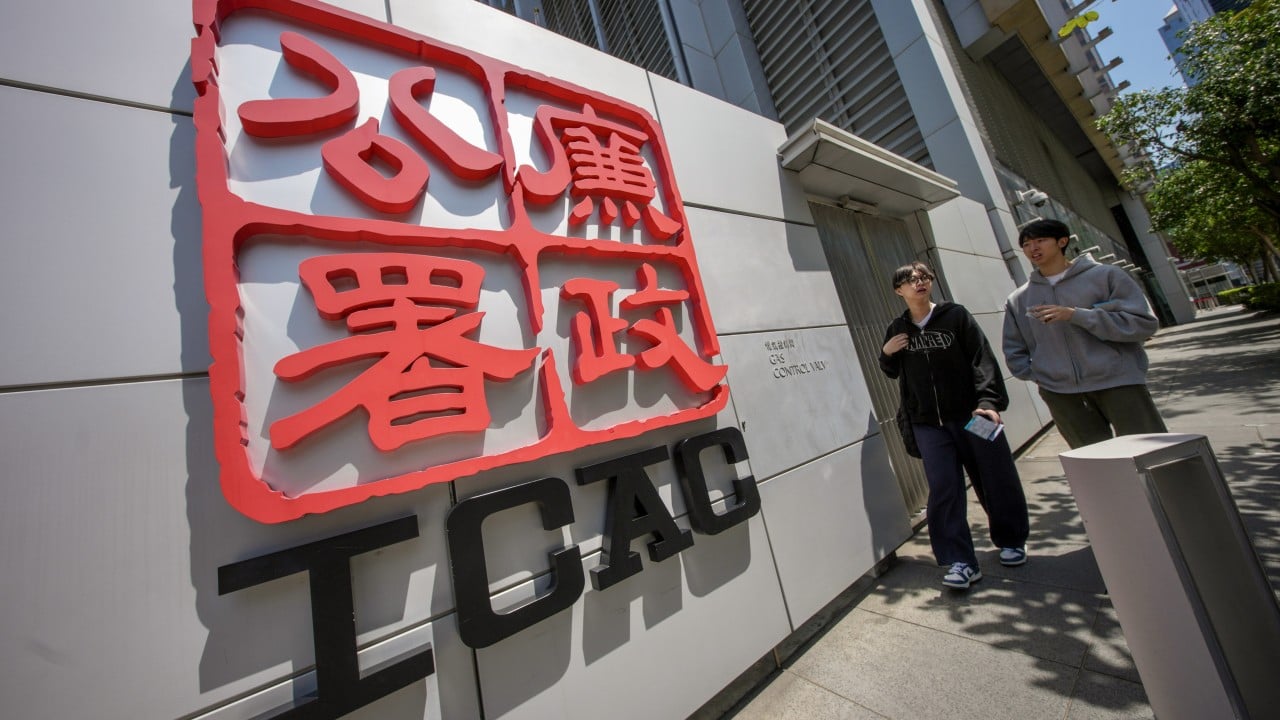
Institutional inertia also plays a role. Schools are often hesitant to investigate high-performing faculty members unless forced by external law enforcement. There is a fear of brand damage that often outweighs the desire for internal purity. In this specific HKUST case, the intervention of the Independent Commission Against Corruption (ICAC) was necessary because internal audits are frequently designed to catch clerical errors, not criminal intent.
The Pressure Cooker of Regional Competition
To understand the "why" behind this bribery, one must look at the intense educational pressure cooker in East Asia. The demand for prestigious credentials is so high that parents often view "consultancy fees" or "donations" as a standard part of the application budget. This creates an environment where a professor asking for cash doesn't necessarily sound like a criminal—they sound like a facilitator.
When the stakes are a lifetime of career opportunities versus a single payment, the ethical line blurs for the applicant as much as the educator. This doesn't excuse the crime, but it explains the market. Criminals do not operate in a vacuum; they provide a service to a market that is already warped by obsession with prestige.
The Financial Fallout of Eroding Trust
Corruption in admissions has a direct impact on the value of every degree issued by that institution. If the public—and more importantly, employers—begin to believe that a seat at a top-tier university can be bought, the "signal" of that degree is weakened. This is a business problem as much as an ethical one.
Investors and donors look at academic integrity as a proxy for the quality of research and the caliber of future graduates. A university that cannot secure its own admissions process is unlikely to be trusted with sensitive corporate research or high-level government funding. The HK$40,000 bribe might be a drop in the bucket, but the ripple effect could cost an institution millions in lost partnerships and devalued brand equity.
Moving Beyond Simple Compliance
The solution isn't more paperwork. It is a fundamental shift in how discretionary power is monitored. Universities need to adopt a "multi-eye" principle for every stage of the admissions process, ensuring that no single individual—regardless of their rank or tenure—has the final say on a candidate’s entry.
- Anonymized Review Processes: Removing names and personal identifiers during the initial grading of applications.
- External Audits of Recommendations: Periodically reviewing the success rate of students recommended by specific faculty members to look for statistical anomalies.
- Whistleblower Incentives: Creating a culture where junior staff feel safe reporting the "pay-to-play" suggestions of their superiors.
The Human Cost of Displaced Merit
Every time a seat is sold, a deserving student is robbed. This is the "hidden victim" of academic bribery. We focus on the professor in handcuffs, but we rarely talk about the student who had the grades, the drive, and the talent, but was pushed out by a checkbook.
This displacement fuels a growing cynicism among the younger generation. If the "meritocracy" is revealed to be a rigged game, the incentive to work hard diminishes. We risk creating a class of graduates who believe that networking and bribery are more effective tools than skill and knowledge. That is a recipe for long-term economic stagnation.
Institutional Responsibility and the Path Forward
HKUST has historically been a pillar of Hong Kong's push toward a high-tech, knowledge-based economy. For such an institution to be touched by this type of low-level, transactional corruption is a wake-up call for the entire sector. It suggests that the rot can settle in even the most modern and well-funded environments.
The court’s decision to move toward a conviction sends a message, but the university must do more than just distance itself from a former employee. It must lead a transparent overhaul of how influence is managed. This involves acknowledging that the professor-student relationship is inherently imbalanced and that this imbalance is a breeding ground for exploitation.
True reform requires looking at the "admission consultants" and middlemen who often act as the bridge between the bribers and the bribed. These third-party entities often operate with zero oversight, promising results that are only possible through illicit means. Until the entire ecosystem is scrutinized, individual convictions will remain nothing more than a temporary deterrent in a high-stakes, high-reward shadow market.
The era of trusting "the ivory tower" to police itself is over. If universities want to maintain their status as arbiters of talent, they must prove that their gates cannot be opened with a key made of gold. The integrity of the degree is the only thing they really have to sell; once that is gone, they are just expensive real estate.