The sun hasn't yet breached the horizon in Lahore, but the queue at the petrol pump already stretches past the intersection of the main bazaar. In the dim, pre-dawn mist, the headlights of idling motorbikes cast long, jittery shadows against the shuttered storefronts.
Meet Tariq. He is not a statistician, nor does he work for the Pakistan Bureau of Statistics. He is a forty-two-year-old schoolteacher who moonlights as a delivery rider to keep his three children in school. To Tariq, the macroeconomic health of the nation is not measured in GDP percentages or central bank reserves. It is measured in the rhythmic, agonizing click of the fuel dispenser.
Every click is a stolen meal. Every rupee added to the price of a litre is a textbook he cannot buy, a medical bill he must defer.
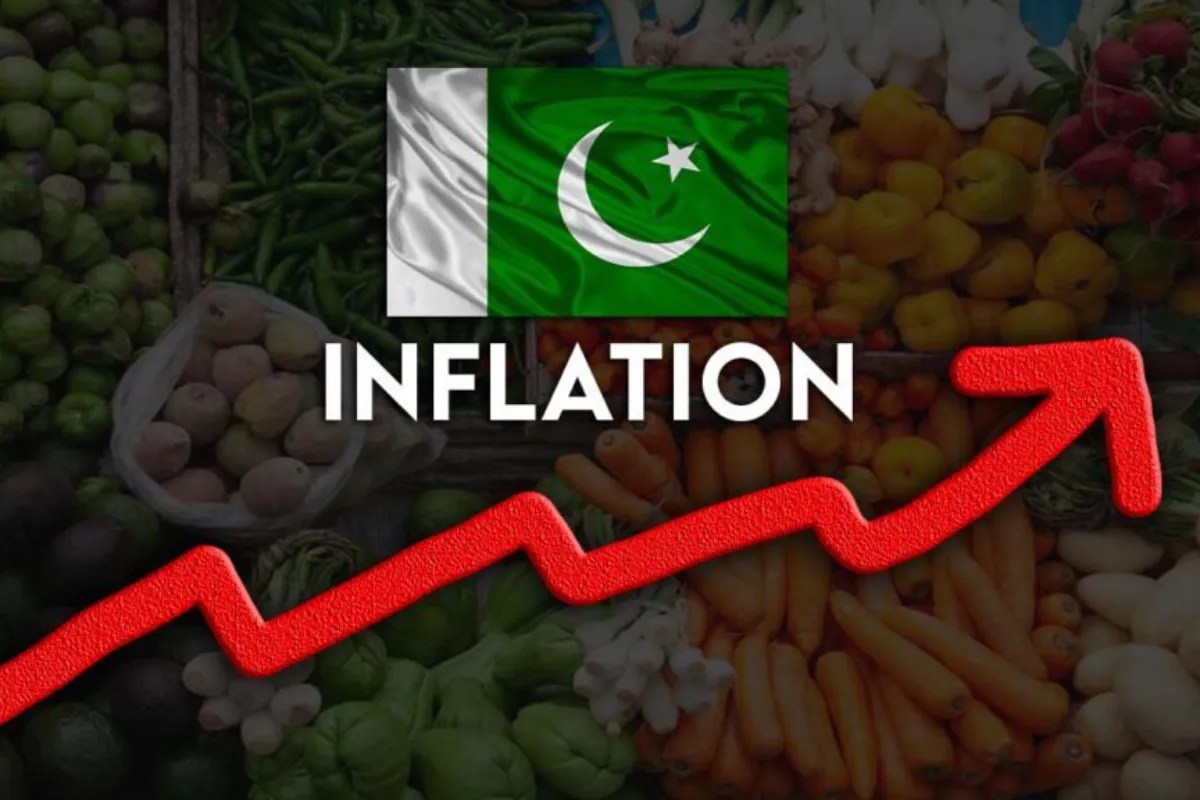
Recent economic assessments indicate that Pakistan is bracing for an inflation rate of 12.2% this May. To a casual observer scanning financial headlines, twelve percent sounds manageable—a standard fluctuating metric in a developing economy. But macroeconomics has a cruel way of hiding human suffering behind decimal points. In reality, that percentage represents a crushing weight on the chest of ordinary families. It is the sound of millions of calculations happening simultaneously across kitchen tables, where parents realize that working sixteen hours a day is no longer enough to buy basic dignity.
The current crisis did not emerge from a vacuum. The fuel pumps and the grocery aisles are deeply connected, tied together by a fragile supply chain that relies entirely on diesel. When petroleum prices climb, the cost of transporting wheat from the fertile plains of Punjab to the urban centers of Karachi skyrockets.
Consider how inflation actually moves through a society. It behaves less like a sudden wave and more like a slow, toxic leak.
First, the government adjusts the fuel prices to meet international lending conditions and stabilize external debt. Then, the transport unions raise their freight rates to survive. Next, the wholesale merchant pays more to stock his warehouse. Finally, the neighborhood shopkeeper, facing his own rising electricity bills, rewrites the price tags on bags of flour, lentils, and cooking oil.
By the time the numbers reach the consumer, the original policy decision has transformed into a quiet tragedy.
The Kitchen Table Math
Enter Farida, Tariq’s wife. Her battleground is the local vegetable market. A year ago, she walked through the stalls with a sense of certainty. Today, she navigates the vendors with a calculated anxiety.
The price of onions, tomatoes, and basic spices has ceased to be predictable. They fluctuate not by the season, but by the week. Cooking oil, once a staple bought in large canisters, is now purchased in small, flimsy plastic pouches.
"We are learning to cook without oil," she says, her voice devoid of anger, replaced by a flat, exhausted acceptance. "We use water instead. It changes the taste, but the children must eat something."
This is the invisible tax of inflation. It forces a systematic downgrading of human life. First, you cut out the luxuries—the occasional sweet from the bakery, the new clothes for the festival. Then, you cut out the secondary necessities—the reliable brand of soap, the school bus ride. Finally, you begin to compromise on the fuel that powers the human body itself. Protein disappears. Meat becomes a memory. Milk is watered down so there is enough to color the tea for everyone.
The burden is psychological as much as it is financial. There is a specific, ambient terror that comes with watching your money melt in your hand. When a currency loses value rapidly, holding cash feels like holding ice under a hot sun. You must spend it immediately on whatever survival items you can find before its purchasing power vanishes completely.
The Engine That Cannot Stop
The dilemma facing the country is a classic economic trap. To secure foreign loans and prevent a total default, the state must reduce subsidies on energy. But removing those cushions exposes a vulnerable population to the raw, volatile elements of global commodity markets.
It is an agonizing choice between institutional stability and individual survival.
For people like Tariq, the debate over structural reforms feels incredibly distant. His reality is immediate and mechanical. His motorbike is a 70cc Honda, a machine built for efficiency, yet it has become an insatiable monster that consumes his daily earnings.
He calculates his life in kilometres per litre.
If he takes a delivery route that is five kilometres too far, and the customer does not tip, he loses money on the transaction. The vehicle that was supposed to be his financial lifeline has transformed into a liability. Yet, he cannot stop riding. To stop riding is to surrender completely.
But the real problem lies elsewhere, far beyond the petrol stations. The crisis is fracturing the social contract. When working people see that honest labor can no longer guarantee food on the table, the unwritten rules of society begin to fray. Trust in institutions erodes.
The conversation in the tea stalls has shifted from sports and politics to a grim, shared survival strategy. Neighbors compare prices like traders on a stock exchange floor, sharing tips on which alleyway vendor is selling stale flour at a slight discount.
The Ripple Effect
The implications stretch far into the future. The choices being made today in small apartments across the country will echo for a generation.
When a family pulls a daughter out of school to save on tuition, or when a father skips a dose of heart medication to afford a sack of rice, the true cost of inflation is deferred to the future. These are not financial adjustments. They are human deficits.
Consider what happens next if the projected 12.2% spike holds its ground through the summer. The heat will intensify, driving up the demand for electricity and water. The power grid, burdened by high fuel costs, will falter, leading to rolling blackouts. Small businesses—the tailors, the mechanics, the local printers—will see their productivity plummet just as their operating costs reach historic highs.
The streetlights in Tariq’s neighborhood are dark when he finally returns home tonight. The engine of his motorcycle clicks as it cools down in the small courtyard. He counts the crumpled banknotes in his pocket, smoothing out the edges in the moonlight.
He has made enough to cover the fuel he used today, with just enough left over for a single loaf of bread.
Tomorrow morning, the queue at the petrol pump will form again, even earlier, as thousands of others wake up to run the same impossible race against the numbers.

