Winnie Cheung runs her hand over the cold, stainless steel surface of a medical-grade laser machine. It is 8:00 PM in Causeway Bay, but the neon glow outside her fourth-floor clinic never really dims. For fifteen years, this room has been a sanctuary. Women and men walk in carrying the quiet anxieties of aging, acne scarring, or fatigue, and they walk out looking a little more like the version of themselves they want the world to see.
But tonight, the air feels heavy.
Winnie is looking at a ledger, not a mirror. A wave of impending regulatory changes is crashing over Hong Kong’s beauty industry, and independent operators like her are bracing for impact. The government calls it necessary oversight. Winnie calls it a slow chokehold on a trade built by self-made entrepreneurs.
The debate isn't just about safety guidelines or bureaucratic paperwork. It is about survival, trust, and the invisible line between medical procedures and aesthetic care.
The Friction in the Glow
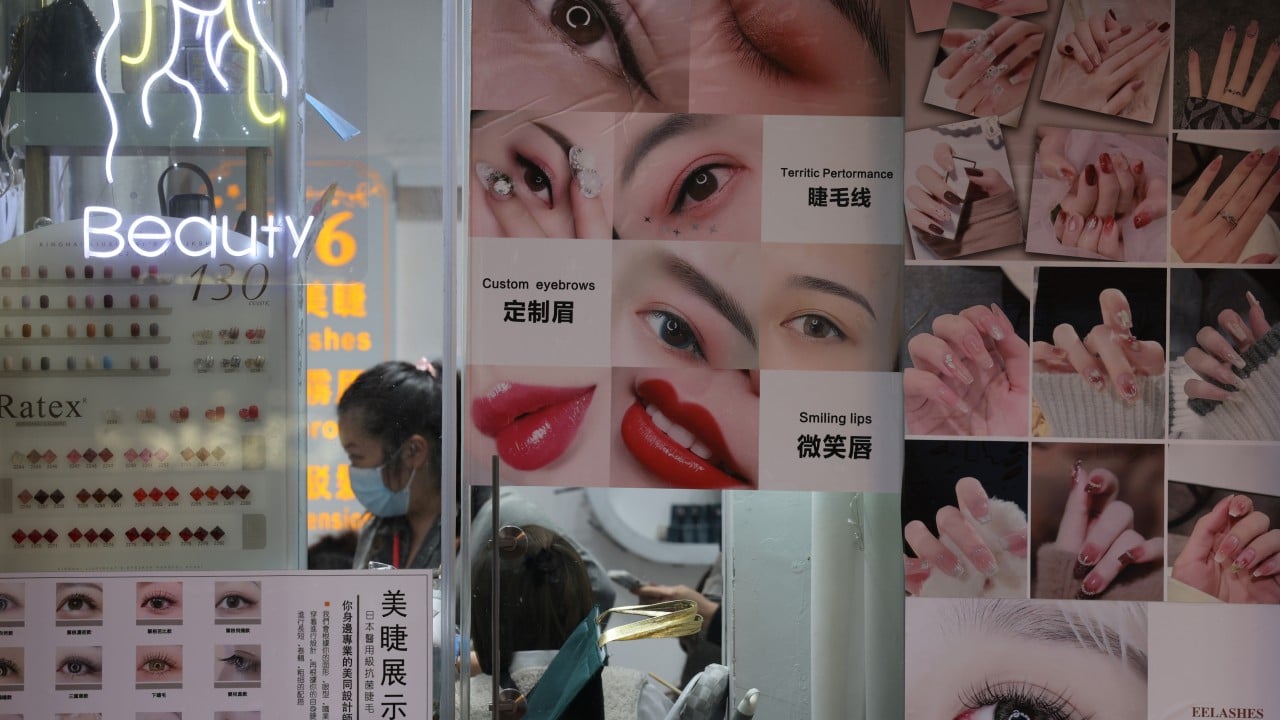
To understand why a change in policy sends shivers down the spines of thousands of local business owners, you have to look at how Hong Kong breathes. This is a city that thrives on the hustle of small enterprises. The beauty sector here isn't just dominated by multi-national conglomerates; it is sustained by thousands of neighborhood salons, independent practitioners, and family-owned clinics.
The tension centers on a deceptively simple question: Who gets to operate the machines that alter human skin?
Under the proposed tighter restrictions, the government aims to reclassify a vast array of cosmetic procedures—particularly those involving high-energy lasers, intense pulsed light (IPL), and certain injection therapies—as medical acts. This means only registered medical practitioners, or individuals operating under their direct on-site supervision, would be legally allowed to fire up the lasers or administer the treatments.
On paper, the logic seems flawless. Protecting consumers from botched procedures, burns, and sketchy rogue operators is a noble cause. No one wants to see a routine facial end in a trip to the emergency room.
But out in the real world, the math doesn't add up for the people running these shops.
Consider a hypothetical, yet entirely realistic, scenario. Meet May, a 28-year-old aesthetician who has spent seven years mastering the precise calibration of IPL machines. She knows exactly how a specific skin tone reacts to different wavelengths. Under the new rules, May’s years of hands-on experience are effectively wiped clean. She cannot press the button unless a doctor is in the building.
Here is where the financial fault lines shatter the industry. Hiring a full-time, registered medical doctor in Hong Kong is an astronomical expense. For a massive corporate chain with deep pockets, it is a line item. For Winnie’s three-room clinic, it is an impossibility.
The immediate consequence? The small players get squeezed out. The monopoly grows.
The Shift in the Ecosystem
The argument from trade unions and beauty associations is loud and clear: these rules could deal a fatal blow to the trade. They argue that the industry is already heavily self-regulated through rigorous training certifications and international standards. Treating every high-tech facial like open-heart surgery ignores the nuance of modern aesthetics.
Let's look at the numbers that define this ecosystem. The beauty and wellness industry in Hong Kong employs tens of thousands of workers, predominantly women, many of whom entered the trade straight out of school or as a career pivot later in life. It has long been a reliable engine of upward social mobility.
If you mandate that a doctor must oversee every laser pulse, you aren't just protecting the consumer. You are shifting the revenue from the working-class aesthetician to the medical elite.
Critics of the sudden regulatory push point out a glaring hypocrisy. If safety is the sole driver, why not invest heavily in a standardized, government-recognized licensing system specifically for beauty therapists? Instead of banning them from using the tools of their trade, elevate their status through rigorous, affordable state examinations.
But the current trajectory favors a blunt instrument over a scalpel.
The real problem lies elsewhere. When you pass laws that make legal, mainstream services prohibitively expensive, you don't eliminate the demand. You simply drive it underground.
The Shadow Market
Imagine a consumer named June. She has relied on affordable laser toning for years to manage a stubborn skin condition that drains her confidence. Suddenly, her local clinic closes because the owner cannot afford a resident doctor. The large corporate medical spas down the road are charging triple the price to cover their massive overhead.
June is desperate. She looks online. She finds an unregulated, unlicensed operator working out of a residential apartment, using smuggled equipment without any safety checks.
This is the hidden cost of over-regulation. By setting the bar so high that legitimate small businesses cannot clear it, the government risks creating a thriving black market. It is a pattern seen globally in various industries: when the state tightens its grip too hard, the market slips through its fingers into the shadows.
The beauty operators aren't asking for a wild west devoid of rules. They are asking for a seat at the table. They want regulations that recognize their expertise rather than rendering them obsolete overnight. They want a framework that punishes the bad actors without destroying the livelihoods of the honest ones.
The Human Cost
The beauty industry is often dismissed as superficial, a luxury for the vain. That is a fundamental misunderstanding of why people step through these doors.
Aesthetics is an emotional business. It is about a grandmother wanting to look less tired so she feels more vibrant around her family. It is about a young man dealing with severe acne scarring who finally finds the courage to look people in the eye during a job interview. The relationship between a client and their aesthetician is built on years of vulnerability and shared secrets.
Now, that bond is being re-routed through a clinical, bureaucratic filter.
Winnie turns off the lights of her Causeway Bay clinic, the hum of the laser machine fading to a dead silence. She wonders if her business will survive the coming year, or if she will have to tell her two long-term employees that their skills are no longer welcome in the city they call home.
The policy papers will continue to be debated in well-air-conditioned government offices, filled with statistics and legal jargon. But on the ground, the stakes are measured in human terms: broken dreams, lost independence, and a vibrant local trade slowly fading into the dark.