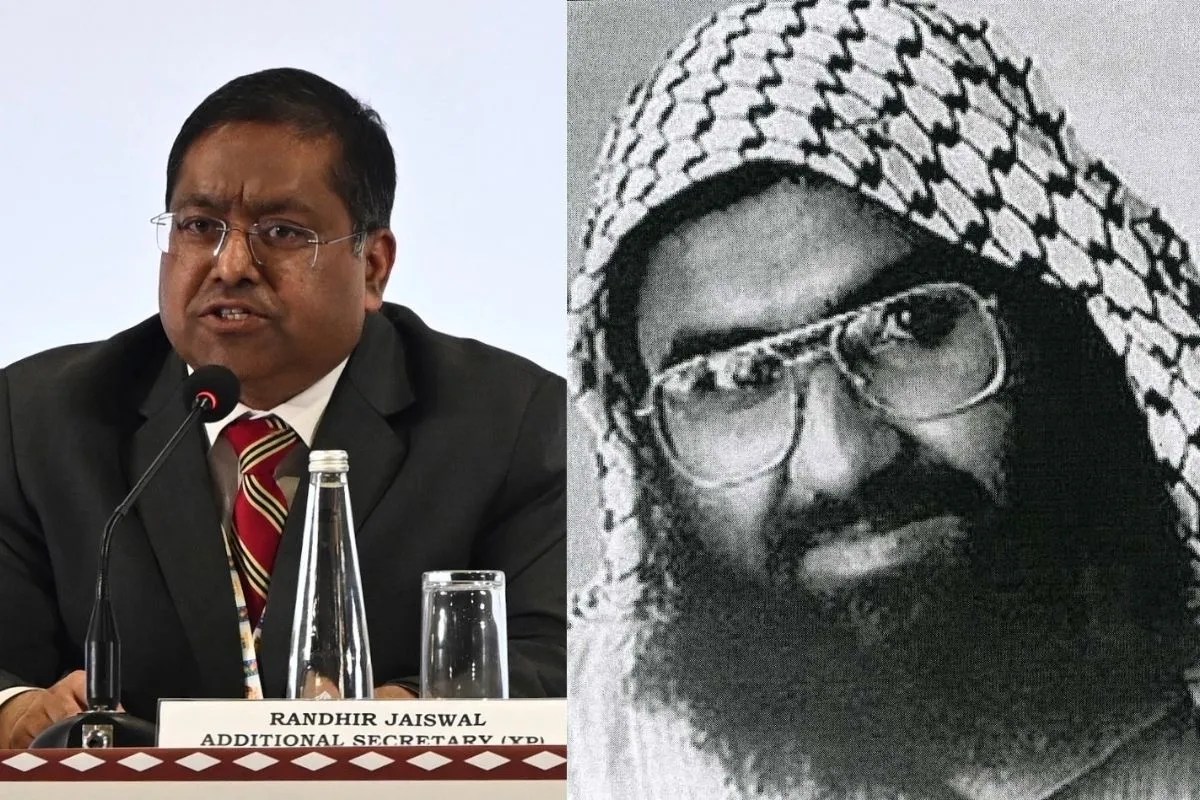
Ink on paper. Pixels glowing softly on a screen in Islamabad, then blinking across a border in New Delhi. A price tag assigned to a ghost. Seventy lakh rupees. It sounds like a fortune until you measure it against the weight of a shattered life, the empty seat at a family dinner table, or the decades of silence that follow an explosion.
Numbers can be cruel jokes when they are detached from accountability.
Consider a cold winter morning in a crowded marketplace. Imagine the smell of roasting spices mingling with diesel exhaust, the sharp chatter of vendors, the hum of daily survival. People are buying vegetables, children are laughing on their way to school, and ordinary life is doing what ordinary life does—moving forward. Then, in a fraction of a second, the world splits open.
That is where the story actually begins. Not in a sterile government briefing room. Not in a ledger of financial rewards. It begins in the dust and the quiet aftermath.
When a government pins a monetary bounty on a notorious fugitive, it is sending a message. Or at least, it is supposed to. But when the architects of terror walk freely through certain neighborhoods, shielded by systemic complicity and political hedging, a seventy-lakh price tag stops looking like a serious pursuit of justice. It starts looking like theater.
India called it out immediately. Hollow gestures. Empty announcements designed to appease international watchdogs rather than dismantle networks of violence.
Why do these hollow gestures persist?
Because optics are cheap. Action is expensive.
To understand the frustration behind New Delhi's sharp response, you have to look past the diplomatic friction and examine the mechanics of impunity. For years, cross-border militancy has operated on a grim ledger. Safe havens are provided. Deniability is maintained. When global pressure mounts—when financial task forces threaten to choke off economic lifelines—governments under scrutiny reach for a familiar playbook. They issue warrants. They freeze accounts that hold little. They post rewards for men whose whereabouts are an open secret in the very capitals hunting them.
It is a game of smoke and mirrors.
A price on a head means nothing if the hand holding the weapon is never touched. It means nothing if the institutional machinery protecting the man behind the curtain remains completely intact.
Walk through the history of these announcements, and a dreary pattern emerges. Every few years, under the glaring lights of global diplomacy, names are shuffled. Files are opened. Announcements are broadcasted with solemn gravity. Yet the streets outside remain unchanged. The training camps shift locations or merely change their signboards. The masterminds give speeches or issue audio recordings, secure in the knowledge that state protection is a reliable umbrella.
Delhi's skepticism is not born of cynicism. It is born of a long, exhausting memory.
When victims of terror look for closure, they do not look for a press release. They look for finality. They look for the systemic dismantling of the infrastructure that allowed hatred to be manufactured, funded, and unleashed upon civilians. A bounty that amounts to pocket change for syndicates fueled by illicit economies is an insult wrapped in bureaucracy.
Paper shields.
That is what these announcements are. They offer no safety to the mother waiting for her son to return home. They offer no deterrent to the next generation being groomed in radicalized enclaves. They simply check a box on a diplomatic checklist, allowing bureaucrats to tell the world that something is being done, while the underlying reality remains untouched.
We live in an era where information travels instantly, yet accountability moves at a glacial pace. The digital age has made it easier to broadcast intentions, but harder to hide the absence of results. Every time an empty declaration is made, the gap between performance and reality widens just a little bit more.
The air grows heavy. The silence after a broken promise is louder than any political speech.
True security is not built on public relations campaigns or token gestures. It requires a reckoning with uncomfortable truths. It requires the courage to dismantle safe havens, to choke off the financial arteries of extremism, and to look victims in the eye with honesty rather than deflection.
Until that happens, numbers on a government notice board remain what they have always been.
Just numbers.
And the shadows will continue to lengthen across the border, untouched by the light.


