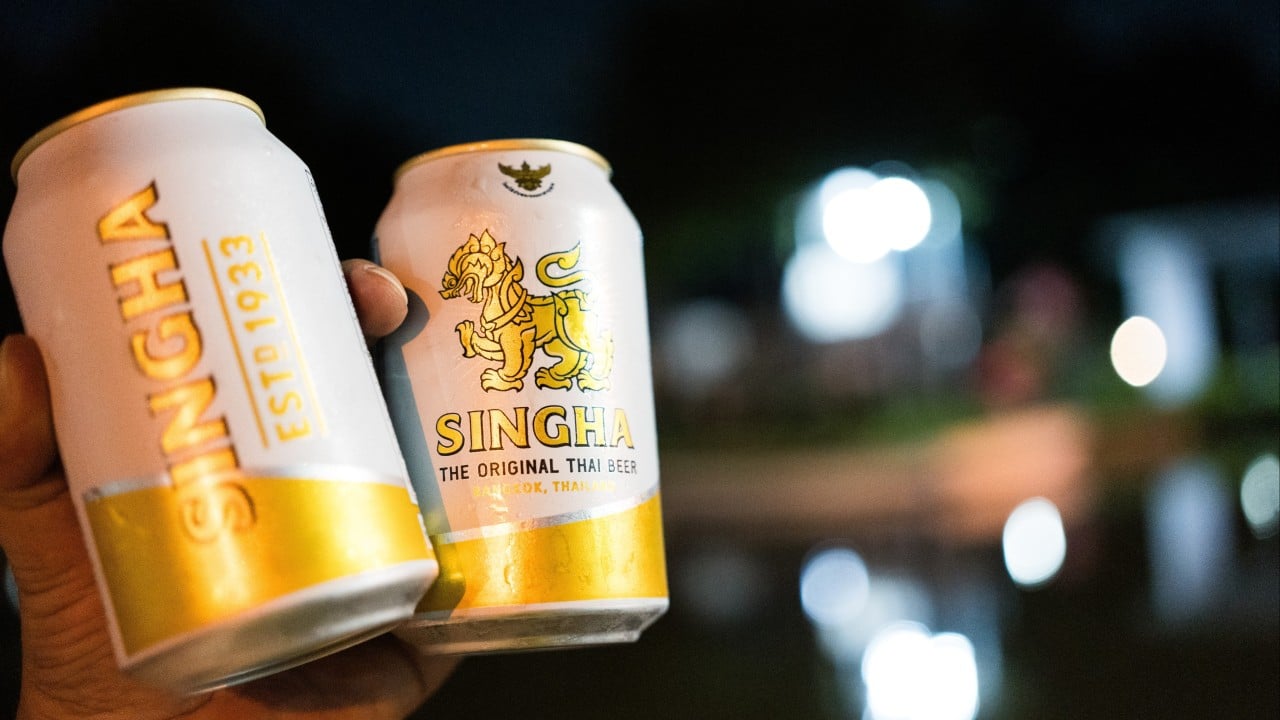
The corporate facade of Boon Rawd Brewery, the multi-billion-dollar conglomerate behind Thailand’s ubiquitous Singha beer, dissolved into a crisis of familial and corporate governance when a fourth-generation heir broke decades of enforced omertà. Siranudh "Psi" Scott, a prominent 29-year-old marine conservationist and scion of the billionaire Bhirombhakdi dynasty, published an emotional video on Facebook accusing his older brother, Sunit "Pi" Scott, of systematic sexual abuse lasting over a decade during their youth.
The immediate commercial fallout was swift. Bhurit Bhirombhakdi, the chief executive officer of Boon Rawd Brewery and cousin to the brothers, signed a corporate decree dismissing Sunit Scott from all executive and employment capacities within the family empire. Sunit submitted a letter of resignation, maintaining his innocence while stepping aside until the matter is "conclusively proved."
Yet, the institutional damage extends far beyond a routine corporate purging. The crisis exposes the hazardous reality of Thailand’s dynastic conglomerates, where immense commercial power is leveraged to suppress internal domestic violence, and corporate structures prioritize brand preservation over human accountability.
The Illusion of Dynastic Unity
Family-controlled conglomerates form the bedrock of the Thai economy. The Bhirombhakdi clan ranks as the 15th richest dynasty in Thailand, boasting a net worth evaluated by Forbes at $1.75 billion. Their portfolio spans beverage manufacturing, real estate, luxury hospitality, and energy sectors. For decades, the public image of these elites has been carefully managed through philanthropic ventures, high-society galas, and state-aligned patriotism.
That curated image splintered when Siranudh renounced his lineage entirely. He stated he no longer wishes to be identified as a Singha heir, asserting that the title serves merely to mask structural rot. The whistleblower revealed that senior members of the family had long possessed audio recordings of his brother’s alleged confession, yet they consistently chose institutional silence over intervention. When he sought protection from elder relatives, he was instructed to apologize to his mother, who had initiated separate lawsuits against him regarding inheritance assets left by his late grandfather, Chamnong Bhirombhakdi.
This dynamic reflects a broader corporate philosophy inherent to family-run empires across Southeast Asia. The family unit and the corporate board are indistinguishable. Protecting the brand means protecting the patriarchs, and internal deviance—even in the form of surviving childhood trauma—is treated as a threat to the balance sheet.
When Confession is Dismissed as Child’s Play
The public defense offered by Sunit Scott before his dismissal follows a predictable playbook of corporate and familial gaslighting. Initially, the accused brother denied the events entirely, using his wife’s social media channel to dismiss the claims as completely untrue.
When Siranudh retaliated by uploading the definitive audio recording of the confrontation, the defense shifted. Sunit pivoted, recharacterizing the recorded admissions as remnants of past sibling quarrels and "childish teasing" between boys.
[Family Power Structure]
       │
       ├─► Institutional Omertà (Elders suppress internal dissent)
       ├─► Legal Coercion (Inheritance lawsuits against whistleblowers)
       └─► Rhetorical Shielding (Rebranding systemic abuse as "childish play")
This rhetorical shifting reveals how elite spaces pathologize victims to protect corporate continuity. In the logic of dynastic governance, an admission of severe abuse is neutralized by framing it as normal domestic friction. It took a global public relations crisis, rather than the initial internal exposure of the tape, for Boon Rawd Brewery to act. The termination of Sunit was not an act of internal justice; it was an act of tactical triage.
The Structural Threat to Corporate Governance
For global investors and local joint-venture partners, the Singha scandal highlights the deep systemic risks built into businesses where bloodlines dictate executive placement.
| Corporate Risk Factor | Operational Manifestation in Family Firms |
|---|---|
| Governance Collapse | Board members act as protective relatives rather than fiduciary guardians. |
| Reputational Contagion | Personal criminal liabilities immediately impact commercial brands. |
| Succession Instability | Inheritance battles bleed directly into executive leadership disputes. |
When a company's executive floor is populated by siblings, cousins, and maternal figures locked in active legal and personal warfare, objective governance becomes impossible. Independent board oversight cannot function when the ultimate authority rests with family elders who view statutory disclosures and ethical compliance as optional domestic matters.
The Broader Thai Cult of Impunity
The crisis within the Boon Rawd empire occurs against a backdrop of deep social inequality and a legal system that historically shields the ultra-wealthy, colloquially known as the "VIP" class. From high-profile hit-and-run cases involving elite heirs to political sex scandals, the Thai public has grown increasingly hostile toward the perceived immunity of the rich.
Siranudh Scott’s decision to bypass formal legal channels and take his allegations directly to Facebook reflects a total lack of faith in traditional institutional justice. In a environment where wealth frequently dictates legal outcomes, social media became his only viable leverage. By turning his private trauma into a public liability for a consumer brand, the whistleblower forced a multi-billion-dollar enterprise to do what decades of private pleading could not: remove the alleged abuser from power.
The survival of the Singha brand will depend on whether Boon Rawd Brewery undergoes genuine systemic reform or simply waits for the media cycle to turn. Dismissing a single executive is a superficial solution. Until these elite empires separate corporate governance from dynastic preservation, the human cost of maintaining the family brand will remain unacceptably high.
