You probably think the smartphone market is a battle of specs. Fast processors, brighter screens, or some gimmicky camera trick usually dominate the conversation. But the latest numbers from China prove that right now, the only battle that matters is the war over pricing strategy.
According to the latest quarterly data from IDC, China's smartphone shipments fell 4.3% year-on-year to roughly 66 million units. That marks the fifth consecutive quarterly decline. The mid-year "618" shopping festival, usually a gold rush for consumer electronics, saw sales plummet nearly 15%.
It looks grim. Yet, two players completely defied the gravity of this shrinking market.
Huawei grew its shipments by 19.4%, capturing a massive 22.6% market share. Apple surged even faster, growing 24.4% to take 18.1% of the market.
Meanwhile, the rest of the major players got absolutely hammered. Xiaomi shipments tanked by 21.7%. Vivo dropped 11.4%, and Oppo fell 9.7%.
So, what did Apple and Huawei do right that left everyone else bleeding? They did absolutely nothing to their prices.
The AI Chip Tax Nobody Wants to Pay
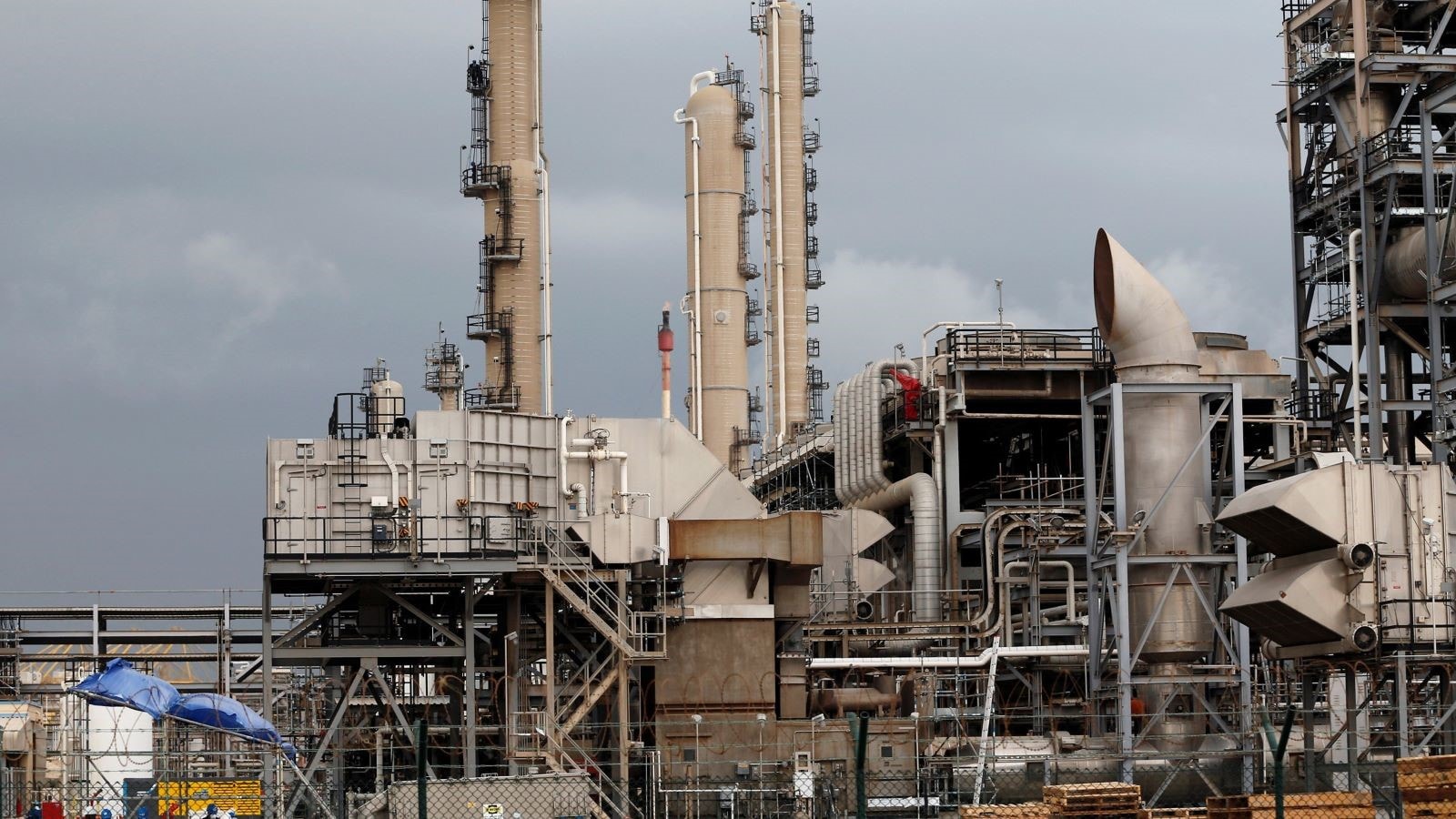
To understand this split, you have to look at the silicon inside these devices. The global artificial intelligence frenzy has a massive side effect: memory manufacturers are converting their factories to produce high-bandwidth memory for AI data centers. That leaves standard DRAM and storage chips for consumer devices in incredibly short supply, driving component prices through the roof.
Since late March, budget and mid-tier Android brands have had to make a tough choice: eat the massive cost increase or pass it on to the buyer.
Most Android brands chose the latter. They jacked up prices or cut back on specs for their cheaper, entry-level models. But in a highly saturated market where people are already hesitant to upgrade, raising prices on a mid-range phone is basically telling your customer to keep using their old device.
Huawei and Apple didn't blink. They absorbed the component hits, kept their shelf prices steady, and let their competitors do the work of driving buyers into their arms. As IDC analyst Arthur Guo noted, keeping prices flat gave hesitant buyers a clear reason to pull the trigger while everyone else was raising barriers.
The Margin Trap
For years, Android brands relied on high-volume, low-margin budget devices to capture massive market share. That playbook is completely broken. When storage and memory costs double, a cheap $200 phone becomes structurally impossible to build without losing money.
Apple and Huawei play in the premium tier where profit margins are thick. They have the financial cushion to absorb a spike in component bills of materials. Xiaomi, Oppo, and Vivo do not.
Apple also pulled off a clever psychological trick. By signaling early that component shortages would force price hikes on future products, they actually convinced shoppers to pull forward their purchases, boosting their current quarter numbers even further.
What Happens Next
If you are a manufacturer, a retailer, or an investor tracking consumer tech, the lessons from this quarter are clear.
First, stop chasing sheer volume. The top six brands in China now control a staggering 96% of the market. There is zero room left for secondary brands to survive on slim margins.
Second, expect the pain to get worse before it gets better. Industry analysts expect the global memory shortage to pinch margins and suppress shipments well into next year. Fabs are rushing to build new capacity, but those silicon plants won't bring meaningful relief online until much later.
If you are running a hardware business, you need to transition your product mix away from low-margin, entry-level devices. Secure your component supply chains early, and accept that holding your pricing steady—even if it hurts your short-term margins—is the only way to protect your market share when consumers start locking up their wallets.