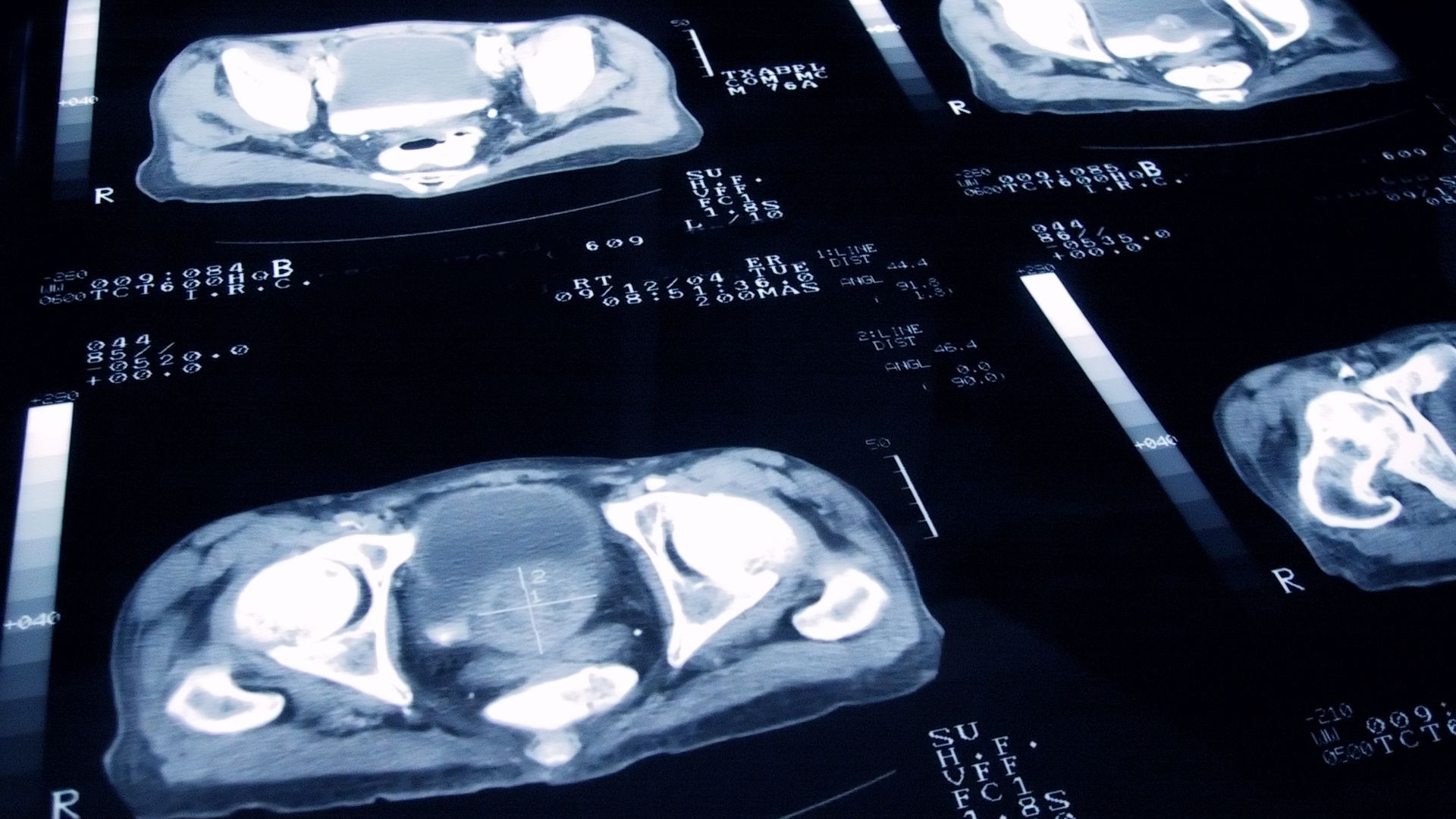
Men diagnosed with prostate cancer have long faced a brutal, binary choice. You either opt for active surveillance, sitting on a ticking time bomb and hoping the tumor doesn't grow, or you blast the entire prostate with radiation or rip it out entirely through surgery.
These standard treatments work well to eliminate the cancer. But they come with a massive, life-altering catch. Many men leave the operating room or radiology clinic cured of cancer, only to spend the rest of their lives dealing with leaking bladders and permanent erectile dysfunction. It is a trade-off that has caused immense psychological and physical distress for decades.
A landmark study from Imperial College London, published in the journal European Urology in July 2026, suggests we don't have to accept this trade-off anymore.
For years, a lesser-known option called focal therapy has hovered on the fringes of mainstream cancer care. Instead of treating the whole prostate, focal therapy targets only the specific area where the tumor lives, leaving the healthy tissue around it untouched.
The new data shows this precise approach is just as effective at keeping men alive over a ten-year period as traditional surgery or radiotherapy. Even better, it carries a five-fold lower risk of causing urinary incontinence and sexual dysfunction.
This is the news patients have been waiting for. It changes the conversation about how we treat localized prostate cancer.
Why the Whole Gland Approach is Failing Patients
To understand why this study matters, you have to look at how we currently treat the disease. Prostate cancer is incredibly common. In the UK alone, more than 60,000 men are diagnosed every year. In the US, it remains the most common non-skin cancer in men.
When the cancer is caught early and remains confined to the prostate, it is called localized prostate cancer. Traditional medicine treats this with a heavy hand. Surgeons perform a radical prostatectomy, which is the complete surgical removal of the prostate gland. Radiation oncologists use external beams or radioactive seeds to irradiate the entire gland.
These treatments are highly effective at killing cancer cells. But the prostate does not sit in a vacuum. It is a walnut-sized gland nestled directly beneath the bladder and wrapped around the urethra. The delicate nerves that control erections run right along its surface.
When you remove the prostate or blast it with radiation, these surrounding structures almost always take a hit.
The physical toll is staggering. Many men suffer from long-term urinary incontinence, needing to wear pads every day. Erectile dysfunction is incredibly common, and for many, it never fully resolves. There are also bowel issues to contend with, particularly after radiation therapy.
These side effects are so common and so severe that the UK National Screening Committee actually advised against screening all men for prostate cancer. They worried that mass screening would lead to overdiagnosing and overtreating slow-growing cancers, unnecessarily ruining the quality of life for thousands of men.
That is a damning indictment of our current standard of care. We have been curing the disease by damaging the patient.
The Precision Alternative
Focal therapy operates on a completely different philosophy. Think of it like lumpectomy for breast cancer. Decades ago, doctors routinely performed radical mastectomies, removing the entire breast to treat small tumors. Eventually, we realized we could just remove the tumor and save the breast.
Focal therapy does the same for the prostate. Instead of treating the whole gland, doctors use advanced imaging to locate the main tumor and destroy only that specific area. The healthy tissue, the urinary sphincter, and the erectile nerves are left intact.
This approach uses a few different energy sources to get the job done.
High-intensity focused ultrasound, or HIFU, uses high-frequency sound waves to heat up and destroy the cancer cells. It is like using a magnifying glass to focus sunlight on a single point to burn a leaf.
Cryotherapy goes the opposite route. It uses freezing gases to kill the tumor.
A newer method called irreversible electroporation, often referred to as the Nanoknife, sends short electrical pulses directly into the tumor. This punches microscopic holes in the cell membranes, causing the cancer cells to die while preserving the surrounding physical structure.
By avoiding the nerves and muscles next to the prostate, focal therapy maintains your quality of life. You keep your continence. You keep your sexual function.
What the Imperial College London Study Proves
For a long time, critics of focal therapy argued that it was too risky. They claimed that because prostate cancer is often "multifocal"—meaning there can be multiple small tumor spots throughout the gland—leaving part of the prostate untreated would allow the cancer to spread. They wanted hard, long-term data.
Now, we have it.
The team at Imperial College London followed 3,477 men who underwent focal therapy (using either HIFU or cryotherapy) between 2004 and 2024. This is the largest and longest-running study of its kind. The researchers tracked these patients for up to ten years to see how they fared.
The results are nothing short of remarkable.
Ten years after receiving focal therapy, only two men out of the nearly 3,500 in the study had died from prostate cancer. That is a mortality rate of just 0.1%.
Only 3% of the men in the study saw their cancer spread outside the prostate.
These survival and control rates are identical to those seen in men who choose radical surgery or radiotherapy. Yet, the risk of erectile dysfunction and incontinence was five times lower in the focal therapy group.
The study also showed that focal therapy works even for men with intermediate-risk or high-risk cancers. In fact, nine in ten men in the study had these more aggressive types of cancer. Historically, these men were told that focal therapy was not an option for them and that they had to get the whole gland removed.
We now know that is simply not true.
Addressing the Catch
I want to be completely transparent here. There is one major caveat with focal therapy that you need to understand.
The Imperial College London study found that roughly one in three men who had focal therapy eventually needed further treatment. Some of these men chose to go on and have traditional surgery or radiotherapy later, while others had a second round of focal therapy.
Skeptics will point to this 30% retreatments rate as a failure. But that is the wrong way to look at it.
If you get surgery and the cancer returns, your options are highly limited and much more dangerous. Salvage radiation after surgery carries an extremely high risk of permanent side effects.
But if you get focal therapy and the cancer returns, you have not burned any bridges. The prostate is still there. You can easily do a second round of focal therapy. The study showed that of the men who had a second session of focal therapy, only one in ten eventually needed to proceed to surgery or radiotherapy.
Think of focal therapy as a way to buy time. You can keep the cancer at bay for a decade or more, keeping your sexual and urinary function intact during your younger, more active years. If you eventually need surgery down the road, you can still get it. You have lost nothing, but you have gained years of high-quality life.
Who is Actually Eligible for This Treatment
This is not a miracle cure for every single person. It is a highly targeted tool, and you have to fit a specific profile to be a good candidate.
Generally, focal therapy is best suited for men with localized, intermediate-risk prostate cancer.
If your cancer is very low-risk, you probably do not need any active treatment at all. Active surveillance, where doctors monitor the tumor with regular MRIs and biopsies, is usually the safest bet.
If your cancer is extremely advanced, has spread to your bones or lymph nodes, or is scattered widely across both sides of the prostate, focal therapy is not going to work. You will still need systemic treatments, surgery, or full-gland radiation.
But if you fall into that middle category, where the cancer is significant enough that it needs to be treated, but it is still confined to one primary area of the prostate, focal therapy is a perfect fit. Experts estimate that between 50% and 66% of men with localized prostate cancer fit this description. That is up to 15,000 men a year in the UK alone who are currently getting aggressive, side-effect-heavy treatments when they do not need them.
Why Aren't More Doctors Offering This
If focal therapy is so great, why is it so hard to get?
Right now, the National Health Service in England only offers focal therapy at a small handful of specialist centers, mostly concentrated in London and the South East. In many other parts of the world, insurance coverage is spotty, and local urologists simply do not have the training or the expensive equipment needed to perform these procedures.
Medical systems are notoriously slow to change. Surgeons are trained to cut. Radiation oncologists are trained to radiate. Learning to use advanced MRI-guided ultrasound or cryotherapy probes requires new training and a shift in mindset.
Furthermore, clinical guidelines from bodies like the National Institute for Health and Care Excellence have been conservative, waiting for the kind of long-term, ten-year survival data that has finally been delivered by this new study.
Hopefully, this massive new data set will force health authorities to expand access. High-profile figures like former British Prime Minister David Cameron and television presenter Jeremy Clarkson have reportedly received focal therapy, which is helping to raise public awareness. But we need systemic change so that everyday patients do not have to travel hundreds of miles or pay out of pocket to protect their quality of life.
Your Next Steps if You Have Been Diagnosed
If you or a loved one has recently been diagnosed with localized prostate cancer, do not let a urologist rush you into a quick decision. Take a breath. You usually have time to gather information.
Start by asking your doctor for a detailed copy of your biopsy and MRI results. You need to know exactly where the tumor is located and if it is confined to one side of the prostate.
Ask your doctor directly if you are a candidate for focal therapy, specifically HIFU or cryotherapy. If they dismiss the idea out of hand, ask them why. Some urologists are simply not trained in these techniques and will steer you toward the treatments they know how to perform.
Do not hesitate to seek a second opinion from a specialist at a major academic medical center, particularly one with a dedicated prostate cancer program. They are much more likely to have the technology and the expertise to offer you these precise, organ-sparing treatments. Your quality of life is worth the extra effort.


