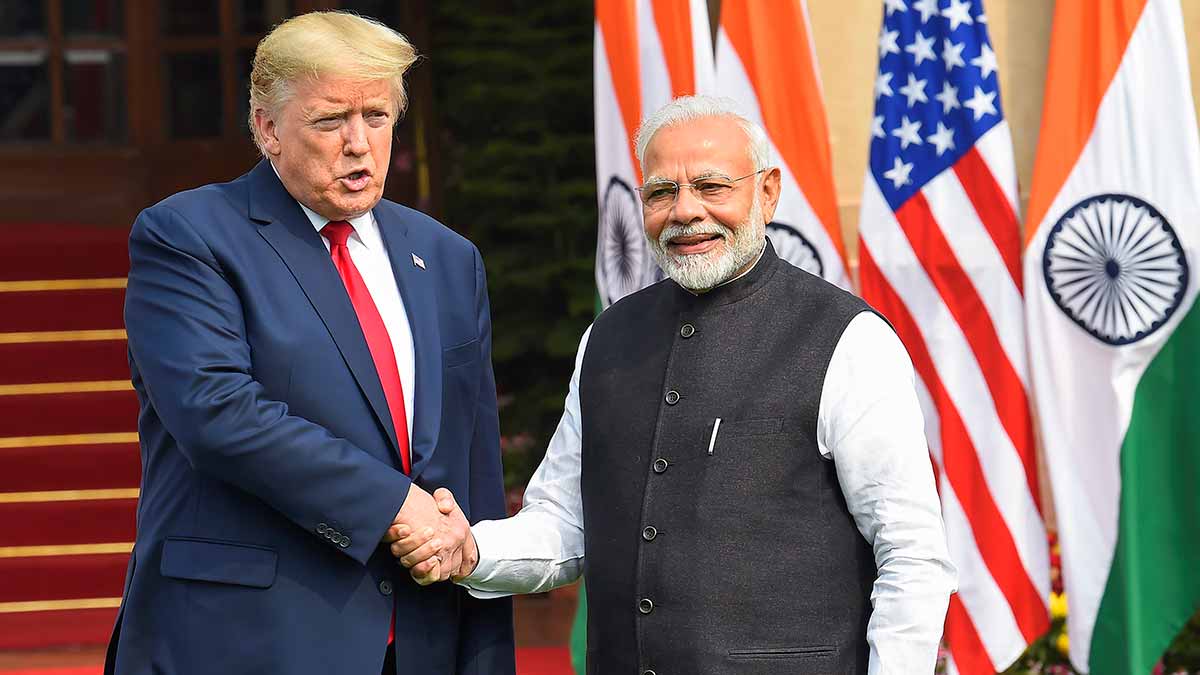
How can you run an election without a valid photo ID? That is the question echoing through Washington after the White House and global election examples collided head-on. President Donald Trump recently pointed straight at India's massive electoral system to defend the Safeguard American Voter Eligibility (SAVE) America Act. When countries managing hundreds of millions of voters require strict physical identification, the debate over American voting reform hits a whole new level of intensity.
If you are trying to figure out what this legislation actually means, you are not alone. The SAVE America Act is designed to completely overhaul how federal elections work by rewriting registration standards and ballot rules. But getting it through Congress is turning into a heavyweight political brawl. Meanwhile, you can read similar developments here: Where Quiet Handshakes Shape Tomorrow.
What The SAVE America Act Actually Changes
The core of the proposed law targets two main phases of voting: registration and casting the ballot. Right now, much of the American system relies heavily on self-attestation when people register. You fill out a form, check a box stating you are a citizen, and often move forward without presenting hard paperwork.
The SAVE America Act aims to shred that reliance. Under the bill, anyone registering to vote in a federal election would have to provide documentary proof of United States citizenship. Think passports, specific birth certificates, or REAL ID-compliant identification. Beyond registration, it mandates that voters show a valid photo ID at the polling booth. To explore the full picture, we recommend the detailed analysis by Reuters.
The bill also puts a massive squeeze on mail-in voting. Aside from strict exceptions for military personnel, individuals with disabilities, documented illness, or specific travel circumstances, the legislation seeks to restrict remote mail ballots heavily. It also forces states to actively scrub non-citizens from active voter rolls.
Why India Became The Talking Point
Trump highlighted a recent exchange involving India's Chief Election Commissioner, Gyanesh Kumar, and U.S. officials. During India's massive general election cycle, roughly 646 million people cast votes. Less than one percent of those ballots came through mail-in systems. Every single voter had to present a valid photo identity document.
The White House seized on this comparison to argue that the United States lags far behind other major democracies on baseline security. While nations like India and Brazil anchor their voting registries to robust biometric or strict physical verification structures, the American framework has stayed loose by comparison. Supporters argue that if a developing democracy with a population nearing a billion can safely verify hundreds of millions of voters in person, the world's leading superpower should be able to do the same.
The Fierce Opposition and Practical Roadblocks
Critics see things very differently. Opponents, including numerous civil rights organizations and congressional Democrats, argue that the legislation is an aggressive attempt to suppress voter turnout. Millions of eligible American citizens do not readily possess a passport or a birth certificate that matches their current legal name or address. Requiring these documents upfront creates steep hurdles that disproportionately block lower-income voters, students, and elderly citizens from participating.
There is also the legislative math. The House of Representatives managed to advance versions of these security measures, sometimes attaching them tightly to broader budget or defense bills to force action. However, the Senate remains a formidable wall. Passing sweeping voting changes through the upper chamber requires navigating tight margins and overcoming potential filibusters, meaning the battle over photo identification is far from decided.
Check your state's current voter registration requirements today and make sure your identification documents are up to date before the next election cycle rolls around.