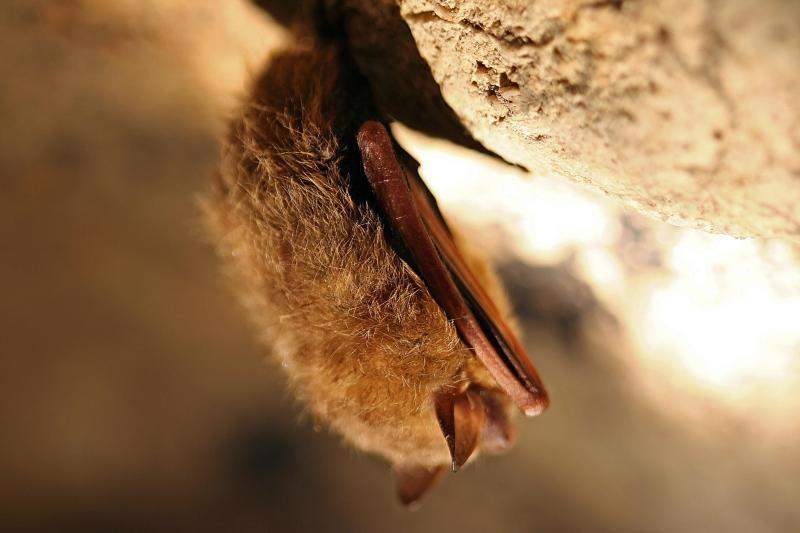
Dusk in a coastal town has a distinct smell. Salt from the tide pulling back over wet slate. Pine resin warming in the last slant of pale northern sun. If you stand on a porch near the Annapolis Valley or along the South Shore in late summer, you expect a familiar ritual: the sudden, erratic stitch of dark wings cutting through the amber air just as the mosquitoes rise.
Blink. Read more on a similar topic: this related article.
For a long stretch of recent history, that stitch was missing. Not everywhere, not all at once, because nature rarely pulls a single lever and calls it a day. It fades. A porch light stays unbothered. A garden hose sits coiled by the step while beetles chew through leaves that once stayed intact.
People noticed the quiet before they could name what caused it. You do not walk outside thinking, Ah, insectivorous chiropteran biomass has declined. You just realize you have not seen a shadow dart past the eaves in three weeks. Additional analysis by Reuters explores similar views on the subject.
Then comes an invitation that sounds almost playful on paper, yet carries real weight underneath: adopt a bat.
To understand why a conservation group in Nova Scotia asks residents to sponsor or symbolically adopt a bat, you have to strip away the folklore first. Bats suffer from a terrible public relations problem that goes back centuries. Mention them in casual conversation and someone brings up dark caves, tangled hair, rabies, or vampires. None of that helps when you are staring at an ecological gap in your own backyard.
Let us be clear about what is real and what is imagined here. To make the stakes concrete, I am going to use a hypothetical scenario—a composite neighbor named Clara living outside Wolfville—and a metaphor comparing a forest food web to a suspension bridge. The bridge analogy is purely a mental model; a real ecosystem is far messier and more adaptable than steel cables. Clara is a stand-in for any Nova Scotian who loves old apple trees, quiet evenings, and healthy woods without having a biologist's notebook in their pocket.
Why a Missing Wing Changes the Yard
Picture Clara sitting on her back steps in early July. The air is thick and sweet with clover and cut grass. A swarm of midges hangs near the porch bulb.
In a thriving coastal ecosystem, a single little brown bat or northern long-eared bat can consume hundreds or even thousands of small insects in a single night, depending on size, weather, and prey density. That is not a trivial party trick. Insects reproduce at staggering rates when nothing keeps pace with them. Left unchecked, agricultural pests nibble at crops, forest defoliators stress mature trees, and biting insects turn a pleasant evening walk into a swatting marathon.
That is the suspension-bridge metaphor in action. Remove one cable and the bridge still stands. Remove enough cables on the same side, and the deck tilts. Bats are one of those load-bearing cables working the night shift while songbirds rest.
Yet talking about bats as "pest control" only tells half the story, and honestly, it can sound transactional. As if wildlife only earns its right to exist by saving us from itchy ankles or crop damage.
I have spent enough time in damp woods at twilight to feel a genuine unease when an animal population crashes. There is a hollowness to it. You walk past a stand of hemlock or spruce where the air feels strangely still, and you wonder what else is quietly adjusting to the absence. Maybe the owls shift their hunting grounds. Maybe nocturnal moths surge. Maybe nothing catastrophic happens next Tuesday, which makes the slow erosion harder to spot until years later.
The Disease That Rewrote Winter
If you want to know why conservationists in Atlantic Canada sound urgent without sounding theatrical, look underground.
Bats in Nova Scotia rely on caves, abandoned mines, and rock crevices—hibernacula—to survive long, freezing winters. Inside those dark, humid rooms, their metabolism drops to a fraction of its summer pace. Heart rate slows. Body temperature falls close to the surrounding air. They hang in clusters, conserving every scrap of fat stored during short, frantic months of foraging.
White-nose syndrome upended that bargain.
First detected in North America in New York around 2006 and later confirmed in Nova Scotia, the disease is caused by a cold-loving fungus, Pseudogymnoascus destructans. Unlike many pathogens that overwhelm an animal quickly, this fungus thrives in the exact chilly, damp conditions hibernating bats need to survive. It grows on muzzles, wings, and ears, irritating the skin and waking bats repeatedly from torpor.
Think about what waking up in January costs a tiny mammal running on a strict energy budget.
Arousal takes immense metabolic effort. Each time a bat wakes prematurely, it burns precious fat reserves and loses water through faster breathing and skin evaporation. Some fly out into sub-zero snow looking for food or water that does not exist in midwinter. Others simply run out of fuel before spring arrives.
Across eastern North America, white-nose syndrome has wiped out massive proportions of cave-hibernating bat populations—in some affected sites, declines have exceeded ninety percent for species like the little brown myotis and northern long-eared bat. Even where survivors remain, recovery is slow because bats reproduce slowly compared to rodents or rabbits. Most species have only one pup a year, if that.
Confession time: when I first read about white-nose syndrome years ago, I found the mechanics almost hard to grasp. A fungus? Waking them up until they starve? It sounded strangely fragile for an animal that navigates pitch darkness using high-frequency calls. Nature is full of paradoxes like that. Tough enough to echolocate a gnat in a gusty wind, vulnerable to a microscopic intruder in the dark.
What "Adopting" a Bat Actually Means
When a non-profit asks Nova Scotians to adopt a bat, nobody expects you to keep a wild myotis in a shoebox under your bed.
Wild bats belong in the wild. Handling them can stress them, risk bites or scratches, and create public health concerns around rabies—a real, serious viral risk whenever a wild mammal behaves strangely or comes into contact with people or pets. Good conservation never asks ordinary citizens to play amateur wildlife rehabbers with high-risk animals.
Instead, an adoption campaign is usually a symbolic sponsorship paired with practical conservation work.
Depending on the organization running the program—such as provincial wildlife conservation groups or regional bat initiatives—your contribution typically helps fund:
- Winter hibernacula monitoring and protection: Tracking surviving populations, restricting human disturbance at sensitive sites during winter, and supporting research into fungal resistance or treatment strategies.
- Summer roost protection and bat houses: Preserving older trees with peeling bark and cavities where maternity colonies raise pups, while guiding homeowners on proper bat house placement and safe exclusion if bats enter an attic.
- Public education and community science: Helping residents report sightings, understand legal protections, and separate genuine safety precautions from groundless fear.
Notice what happens when a program like this works well. It turns passive concern into participation.
Instead of reading a bleak headline over morning coffee and scrolling past, a family in Halifax, Truro, or Yarmouth puts a small piece of their household budget toward keeping a native species from winking out. Maybe they get a certificate, a fact sheet about local species, or updates from the field. The tangible perk matters less than the shift in perspective. Once you have "adopted" a bat in spirit, you start paying attention differently. You notice old snags in the woodlot. You think twice before blasting outdoor lights all night. You listen at dusk.
The Doubts People Carry Quietly
Let's be honest about the pushback or hesitation you hear around initiatives like this. People have real questions, and brushing them off does conservation no favors.
One common reaction is skepticism about symbolic gestures. Does sponsoring a bat actually stop a fungus in a limestone cave? Fair question. A single donation does not cure white-nose syndrome overnight. Wildlife recovery rarely looks like a dramatic rescue scene; it looks like steady funding for biologists counting bats in the cold, mapping critical habitat, and keeping local programs alive year after year when attention moves on to the next news cycle.
Another hesitation comes from fear. What if adopting a bat means inviting them into my house?
Let's clear that up directly. Bats do not chew through drywall to hunt humans. When they end up inside a home, it is usually by accident—a young bat disoriented after leaving a roost, or an adult slipping through an unsealed gap while looking for shelter. Even then, the right response is calm and cautious: keep pets away, isolate the room if safe to do so, never touch a bat with bare hands, and contact local wildlife authorities or animal control if there is any chance of contact with a person or pet.
There is also a quieter, more philosophical doubt: With so many environmental pressures right now, why focus on bats?
Because conservation is not a zero-sum contest where caring about one creature means ignoring everything else. Protecting bat roosts protects old-growth features and forest edges that other wildlife uses too. Supporting insect predators helps keep agricultural and forest systems in balance. And rebuilding public trust in native species changes how communities treat the land around them.
Back on the Porch
Return to Clara's yard in late August. The nights are shorter now, carrying a sharper edge after sundown.
Clara isn't a biologist. She still doesn't know every Latin name or every acoustic call frequency. What she knows is how good it feels to stand by the garden gate at twilight and spot a quick, jerky silhouette banking past the maples before vanishing into the gloom.
Conservation often asks us to care about things that happen mostly out of sight. Beneath rock ledges in dead winter. High in tree canopies after dark. Inside grant budgets and field notebooks that never make front-page news.
An adoption drive is a small bridge between that hidden world and everyday life. You do not have to conquer a global ecological crisis before supper. You can just decide that the night sky over Nova Scotia feels a little less complete without the quietest flyers in the woods.
Watch the edge of the trees tonight as the light thins out—and ask yourself what kind of silence you are willing to get used to.