The old mechanism of Chinese economic expansion across Africa has reached its structural limit. For two decades, the formula remained virtually unchanged. A state-backed bank in Beijing would issue a massive sovereign loan to an African government, a Chinese state-owned enterprise would ship in engineers and equipment to build a highway, port, or stadium, and the host nation would be left to foot the bill while the contractors packed up and moved to the next capital.
That turnkey model is dead. A combination of crushing sovereign debt defaults, rising interest rates, and tightening capital controls inside China has forced a radical restructuring of how Beijing deploys its money. The shift is not a retreat, as some Western analysts prematurely claim, but a sophisticated evolution.
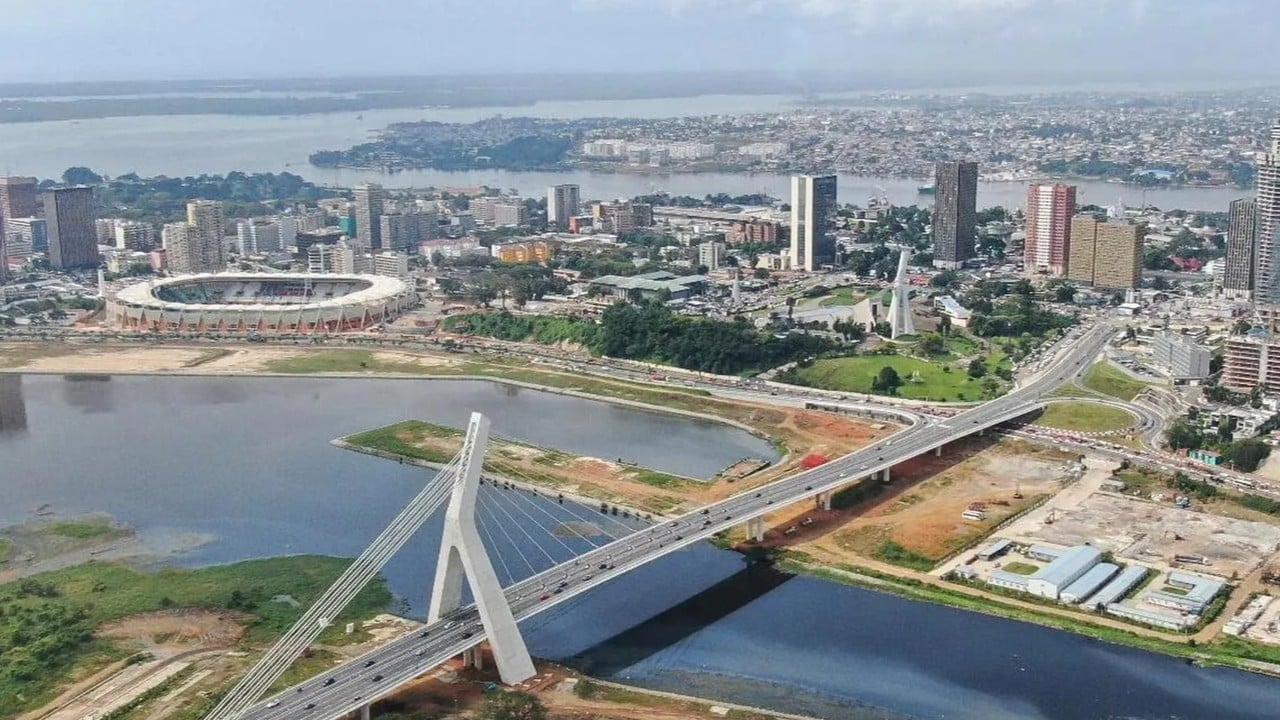
Nowhere is this transformation more apparent than in Ivory Coast. The West African economic powerhouse has quietly become the primary testing ground for a new era of Chinese engagement. Instead of merely acting as hired hands building public works, Chinese firms are moving aggressively into the position of permanent equity stakeholders. They are no longer just building the infrastructure. They are owning and operating the businesses that run on top of it.
The crown jewel of this strategy is a newly engineered 209 million dollar tourist and commercial complex in the country. This project is a stark departure from the traditional railway and asphalt projects of the past. It represents a deliberate push into consumer-driven, yield-generating commercial assets where Chinese entities hold long-term operational control and direct equity. By transitioning from short-term construction contractors to long-term commercial operators, Beijing is mitigating financial risk while locking in structural influence over one of the fastest-growing economies on the continent.
The Death of the Turnkey Infrastructure Model
To understand why this shift is happening, one must look at the balance sheets of the major Chinese policy banks. During the height of the early infrastructure push, institutions like the Export-Import Bank of China routinely financed megaprojects with little regard for long-term commercial viability. The primary objective was diplomatic access and the rapid deployment of domestic industrial overcapacity.
The mathematics of that approach have failed. Countries like Zambia and Sri Lanka became cautionary tales as debt sustainability collapsed, forcing painful restructurings and triggering immense international scrutiny. Host nations grew weary of massive external debts that failed to generate immediate tax revenues or local employment. Meanwhile, the domestic Chinese economy began facing its own severe headwinds, particularly a prolonged real estate correction and slowing provincial growth.
Beijing could no longer afford to write blank checks for political goodwill. The capital required a clear path to profitability.
In response, Chinese planners developed what insiders call the small is beautiful approach. This doctrine commands state enterprises to avoid capital-intensive, politically risky public infrastructure that relies entirely on an African government's ability to repay. Instead, the focus has pivoted to lighter, revenue-generating commercial investments. Ivory Coast presents the ideal environment for this experiment because its steady economic expansion and stable currency, the West African CFA franc, offer a level of fiscal security that traditional debt-heavy partners lack.
Inside the Ivory Coast Commercial Pivot
The 209 million dollar commercial and tourist complex signals a profound change in tactical execution. When a Chinese firm builds a bridge, its revenue ends the moment the final inspection certificate is signed. When it owns a commercial complex, it collects rent, controls supply chains, and captures consumer data for decades.
This is a deliberate entry into the domestic consumer market of West Africa. The complex is designed to capture the disposable income of an expanding Ivorian middle class and a growing corporate class in Abidjan. It integrates hospitality, retail, and entertainment into a singular ecosystem controlled by Chinese corporate entities.
By taking direct equity, the Chinese developers are shielding themselves from the sovereign default risks that doomed previous infrastructure loans. If the Ivorian state faces a fiscal crunch, the commercial complex remains a functional private asset producing independent cash flow. It is a corporate insulation strategy.
Furthermore, this commercial focus allows Chinese firms to deeply integrate local supply chains. Unlike the older isolated construction camps that used exclusively imported materials and labor, these new commercial ventures must interact daily with local agricultural producers, logistics providers, and retail networks. This creates a deeper, stickier economic footprint that is far more difficult for future governments to unpack or regulate out of existence.
Tracking the Transition From Debt to Equity
The mechanism of this new model relies heavily on public-private partnerships and direct corporate investment rather than bilateral state loans. In the past, the contract was between the Ministry of Finance in Beijing and the Ministry of Finance in Abidjan. Today, the deal structure looks like a standard international corporate joint venture.
Consider the operational differences between the old and new methods:
- Risk Allocation: In the old model, the African state bore 100 percent of the financial risk through sovereign guarantees. In the current equity model, the Chinese corporate entity shares the commercial risk, which forces stricter due diligence and realistic market assessments.
- Labor and Up-skilling: Construction projects brought in temporary Chinese laborers who left when the job was done. Commercial retail and hospitality assets require a permanent, locally hired workforce, shifting the political narrative away from exploitation toward local employment.
- Revenue Generation: Rather than waiting decades for a highway to generate indirect economic growth, these consumer-facing assets generate hard currency from day one through commercial leases and hospitality services.
This model also changes the diplomatic dynamic. When Western governments criticize Chinese debt-trap diplomacy, Beijing can point to these commercial projects as standard foreign direct investment. It blunts the geopolitical criticism while achieving the exact same objective, which is securing a dominant position in a critical geographic corridor.
The Hard Economic Calculations Driving Beijing
The shift toward becoming an equity stakeholder is also a response to intense competition from domestic African firms and emerging international players. European, Turkish, and Indian contractors have become highly competitive in standard civil engineering bidding wars across West Africa. Chinese SOEs can no longer win contracts purely on low-cost construction bids.
They have to offer something more complex, which is capital co-investment. By telling African governments that they are willing to put their own corporate skin in the game through equity investments, Chinese companies secure a massive competitive advantage over Western firms that often demand heavy political reforms or stringent environmental conditions before a single dollar is spent.
The internal pressures inside China cannot be overstated. Domestic markets for commercial real estate, retail development, and urban construction are completely saturated. Major state-backed developers have massive institutional expertise in building and managing large-scale commercial complexes, but they have no room left to grow at home. Exporting this specific operational expertise to high-yield frontiers like Abidjan is an act of pure corporate survival.
This evolution brings its own set of structural vulnerabilities. Managing a commercial retail and tourist asset in a foreign country requires a level of cultural nuance and local political navigation that a standard construction company never had to develop. If local consumer spending drops, or if political instability disrupts the urban center, the Chinese investors cannot simply pack up their excavators and leave. They are locked into the asset.
The transition from contractor to stakeholder is not a temporary tactical pivot. It represents a permanent rewrite of the economic relationship between the world's second-largest economy and the African continent. As these commercial nodes multiply across West Africa, the nature of Chinese influence will become less about macroeconomic debt leverage and far more about direct, everyday control over the commercial spaces where local citizens live, shop, and spend their money.