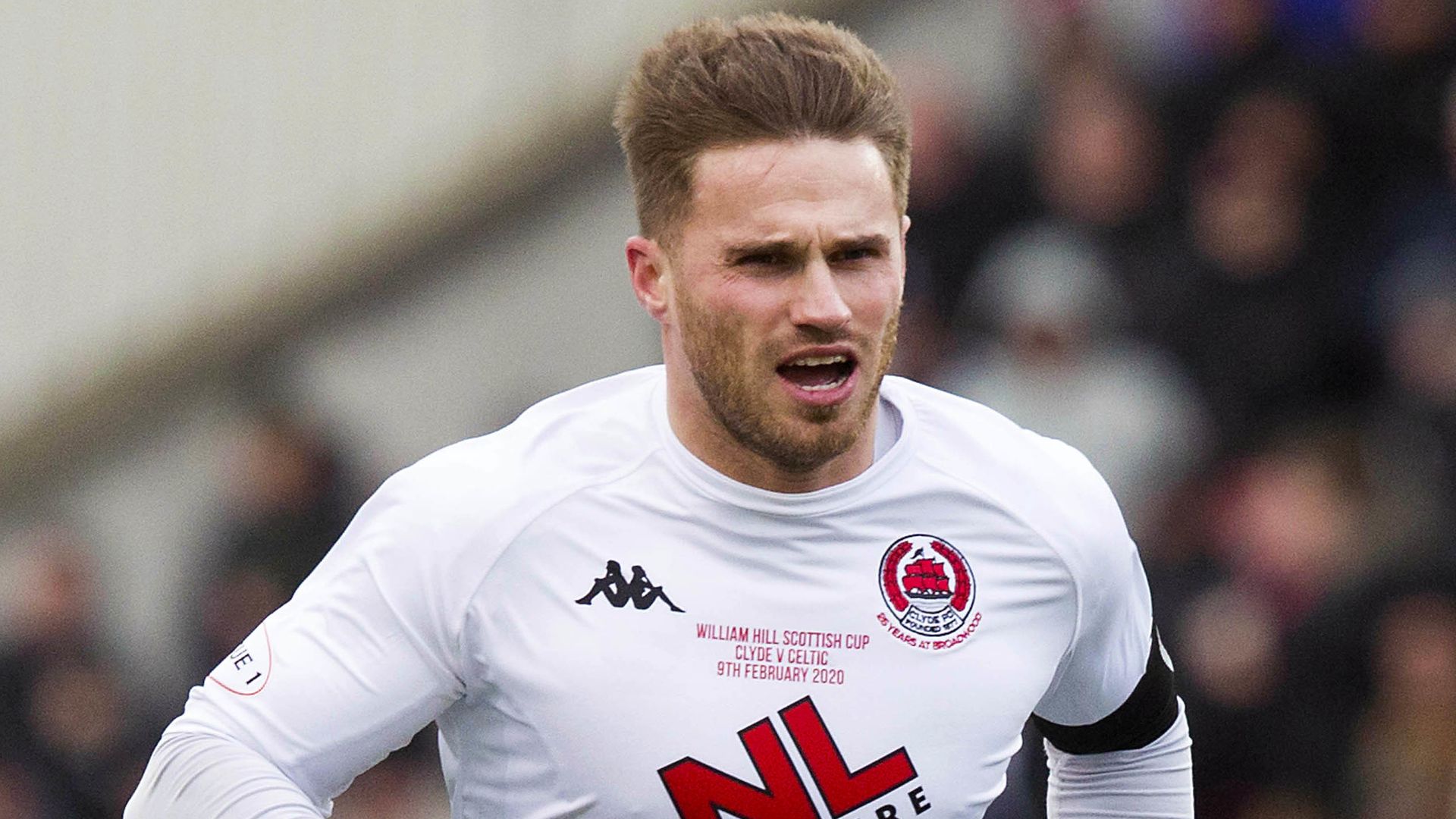
Manchester United sacked Michael Carrick because sentiment does not survive the brutal mathematics of modern Premier League ownership. While the club's hierarchy initially leaned into the romanticism of a former midfield general steadying the ship at Old Trafford, the decision to terminate his tenure was driven by tactical stagnation, a widening gulf between United and the league's elite data-driven operations, and the cold reality of Champions League qualification revenues. For a club operating under immense financial scrutiny, loyalty to a club legend proved to be a luxury the balance sheet could no longer absorb.
The headline hits like a familiar dull thud. Another manager out the door at Old Trafford. Another reset button pressed before the paint on the previous project has even dried. When news broke that Manchester United had sacked manager Michael Carrick, the reaction across the footballing world split down predictable lines. Fans lamented the treatment of a five-time Premier League winner who bled for the badge. Pundits questioned the board's patience. Yet, strip away the nostalgia and look at the cold mechanics of how elite football clubs operate today, and the dismissal was not an act of panic. It was an inevitability written into the fabric of United's structural dysfunction. You might also find this similar story insightful: Managerial Transitions at Manchester United and the Structural Logic Behind the Pochettino Candidacy.
The Nostalgia Trap at Old Trafford
Football clubs love a prodigal son story. It buys time. When a board appoints a beloved former player, the supporters grant a grace period they would never extend to an outsider. Carrick walked into the dugout carrying immense goodwill earned over twelve seasons patrolling the Old Trafford midfield under Sir Alex Ferguson, Louis van Gaal, and José Mourinho. He knew the corridors of Carrington. He understood the suffocating weight of the crest.
That familiarity is a double-edged sword. As highlighted in recent reports by Sky Sports, the results are significant.
In the immediate aftermath of any managerial upheaval, a familiar face calms the dressing room. Players respond to a figure who has actually won the trophies they are chasing. Carrick brought an understated authority, a quiet composure that stood in sharp contrast to the theatrical combustions of some of his predecessors. During his initial brief caretaker spell back in 2021, he went unbeaten across three high-pressure matches against Villarreal, Chelsea, and Arsenal, demonstrating a pragmatic willingness to tweak systems and make bold personnel calls, including dropping Cristiano Ronaldo to the bench at Stamford Bridge.
However, managing a club permanently is a vastly different beast than holding the fort for ten days. Over a grueling thirty-eight-game Premier League campaign, emotional currency depreciates rapidly. Opposing analysts dissect your patterns. Injuries expose the thinness of your tactical playbook. Soon, the very traits that made Carrick an attractive appointment—his measured temperament and deep ties to the club's traditional culture—began to look like liabilities against hyper-aggressive, ideologically rigid tacticians dominating the top flight.
Tactical Evolution Left United Behind
To understand why the board pulled the trigger, you have to look at the pitch, not the press conferences. Modern Premier League football has become a ruthless territorial war. Teams like Manchester City, Arsenal, and Liverpool do not merely try to outscore opponents; they suffocate them through coordinated pressing traps, inverted full-backs, and relentless positional rotation.
Under Carrick, Manchester United too often looked like a team caught between two eras.
There were flashes of progressive, front-foot football—the kind of crisp vertical passing that defined Carrick's own playing career and later shaped his respected coaching stint at Middlesbrough in the Championship. When United had space to transition, they looked dangerous. Give their wide forwards ten yards of green grass to attack, and they could hurt anyone in Europe.
The problem arose when opponents refused to play along.
Against low blocks—teams happy to sit ten men behind the ball and dare United to break them down—Carrick's side repeatedly ran out of ideas. The build-up play grew slow, predictable, and overly reliant on individual moments of brilliance rather than repeatable attacking patterns. You cannot build a sustainable title challenge on moments. You build it on structure.
- The Midfield Void: Ironically, for a man who spent his career mastering spatial awareness in the center of the park, Carrick struggled to solve United's persistent issue of defensive transitions. Too often, a single pass bypassed the entire midfield line, leaving the center-backs exposed to three-on-three counterattacks.
- In-Game Adjustments: When opponents altered their pressing triggers at halftime, United's response frequently arrived twenty minutes too late. By the time substitutions were made, the momentum of the match had already swung irreparably.
- Pressing Disconnection: A high press only works when all eleven players move as a single organism. Under Carrick, the front three would occasionally press while the defensive line dropped deep, creating a forty-yard cavern in the middle of the pitch that competent Premier League midfielders exploited with ease.
These are not minor stylistic quibbles. In a league where marginal gains separate first place from fifth, structural flaws are fatal.
The Brutal Economics of Fourth Place
Anyone who believes football decisions at this level are purely sporting has not read a balance sheet in the last decade. Manchester United is a publicly traded commercial juggernaut, yet its financial ecosystem remains heavily dependent on one specific sporting metric: Champions League qualification.
Miss out on Europe's premier club competition, and the financial bleed is immediate and severe.
Broadcast distributions drop by tens of millions of pounds. Matchday revenues take a hit without lucrative midweek European nights under the Old Trafford floodlights. Most critically, commercial sponsorship clauses—most notably the club's massive kit manufacturing deal—contain penalty mechanisms that slash annual payouts if the men's first team fails to reach the Champions League in consecutive seasons.
When Profit and Sustainability Rules (PSR) constrain how much a club can spend in the transfer market, losing fifty to eighty million pounds in European revenue does not just hurt the owners' dividends. It directly cripples the sporting director's ability to buy players the following summer.
The executives running football operations at Old Trafford knew this. As the league table tightened and United's expected goals metrics began trending downward, the board faced a stark calculation. Stick with Carrick and risk a catastrophic financial shortfall, or absorb the cost of paying off his contract now in hopes that a new voice could spark an immediate bounce. In modern boardrooms, the severance package is always cheaper than missing out on the top four.
The Structural Rot Above the Dugout
Blaming Michael Carrick entirely for this failure, however, is like blaming the captain of a ship when the hull was built out of cardboard. To present a truthful picture of this sacking, we must acknowledge the elephant sitting squarely in the Old Trafford boardroom.
For over a decade, Manchester United has operated as a graveyard for managerial reputations. Think about the names that have tried and failed since Sir Alex Ferguson retired in 2013. David Moyes, Louis van Gaal, José Mourinho, Ole Gunnar Solskjær, Ralf Rangnick, Erik ten Hag. Elite tacticians, serial winners, pragmatic disciplinarians, and beloved club insiders have all walked into the same buzzsaw and emerged bruised.
When every single manager fails, the problem is rarely the manager.
Recruitment at United has historically lacked a coherent, overarching footballing philosophy. One summer, the club buys players suited for deep-block counterattacking football. Two years later, they pivot to a manager who demands high-pressing possession, leaving the new boss stuck with an unbalanced, exorbitantly paid squad that cannot execute his ideas. Moving players on becomes nearly impossible because their wages dwarf what any European buyer is willing to pay.
Carrick inherited a Frankenstein's monster of a dressing room. He was asked to weave a cohesive tactical identity out of players signed by three different regimes with conflicting visions of how football should be played. When results dipped, the hierarchy did what it always does when pressure mounts from the stands and the shareholders: it sacrificed the man in the technical area to buy itself another twelve months of cover.
The Counter-Argument Nobody Wants to Hear
There is a compelling case to be made that sacking Carrick was actually the wrong move, even if the underlying data looked grim.
Look across the Premier League at the clubs that actually succeeded in dismantling Manchester City's dominance or establishing long-term stability. Mikel Arteta finished eighth twice at Arsenal before his project clicked into a genuine title contender. Jürgen Klopp needed multiple transfer windows at Liverpool to purge deadwood and install his physical demands. Even Alex Ferguson famously stood on the brink of dismissal at Old Trafford in 1990 before an FA Cup run saved his job and launched a dynasty.
Real cultural and tactical transformation takes time. It requires suffering through ugly losses while young players learn complex positional habits. By pulling the plug on Carrick before he had sufficient transfer windows to reshape the spine of the squad, United's decision-makers proved once again that they want the fruits of a long-term rebuild without enduring the pain required to grow them.
If a board hires a young, developing coach with deep ties to the club, patience is supposed to be part of the contract. Firing him the moment adversity hits signals a profound lack of conviction from the people making the hires.
What Comes Next for Both Parties
For Michael Carrick, this dismissal is a painful professional bruise, not a career death sentence. History shows that managers who survive the Old Trafford meat grinder often rehabilitate their reputations elsewhere. His sharp tactical mind, calm demeanor, and prior body of work in the Championship ensure he will not be out of work for long. Stepping out of the toxic spotlight of Manchester and into a club with realistic expectations and aligned leadership will likely allow his genuine coaching abilities to flourish without the suffocating weight of constant crisis.
Manchester United, meanwhile, remains trapped in its familiar loop.
The search begins again for a savior. Agents will leak names to the press. Fans will debate the merits of the latest tactical prodigy from Europe against proven Premier League operators. The club will spend heavily in the upcoming transfer window, hand out lucrative contracts, and promise a new dawn.
Yet until the people upstairs build a footballing structure where the manager is merely a vital cog rather than an isolated miracle worker, the outcome will remain entirely predictable. The name on the dugout door changes, the press releases get rewritten, and the clock starts ticking toward the next inevitable sacking.