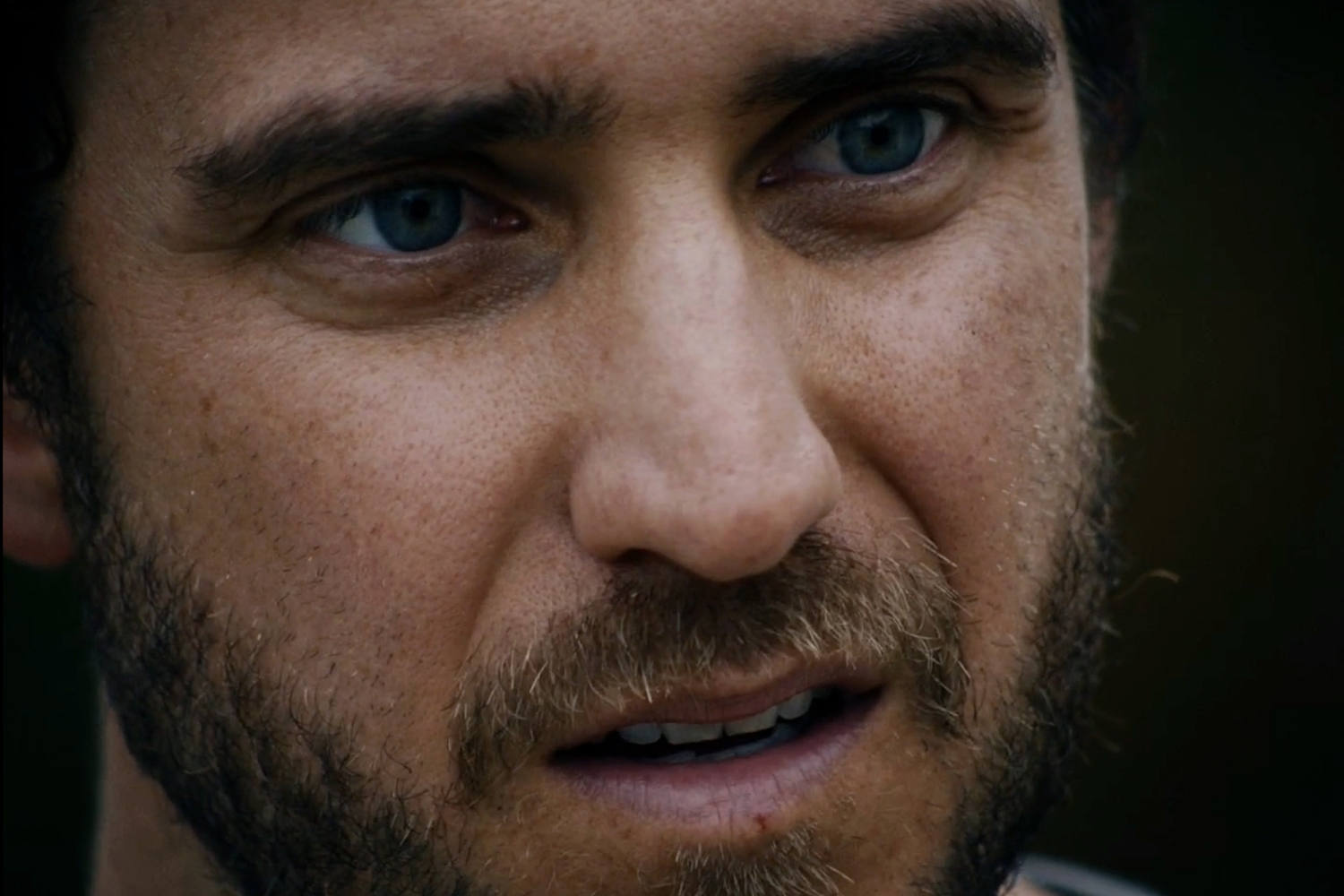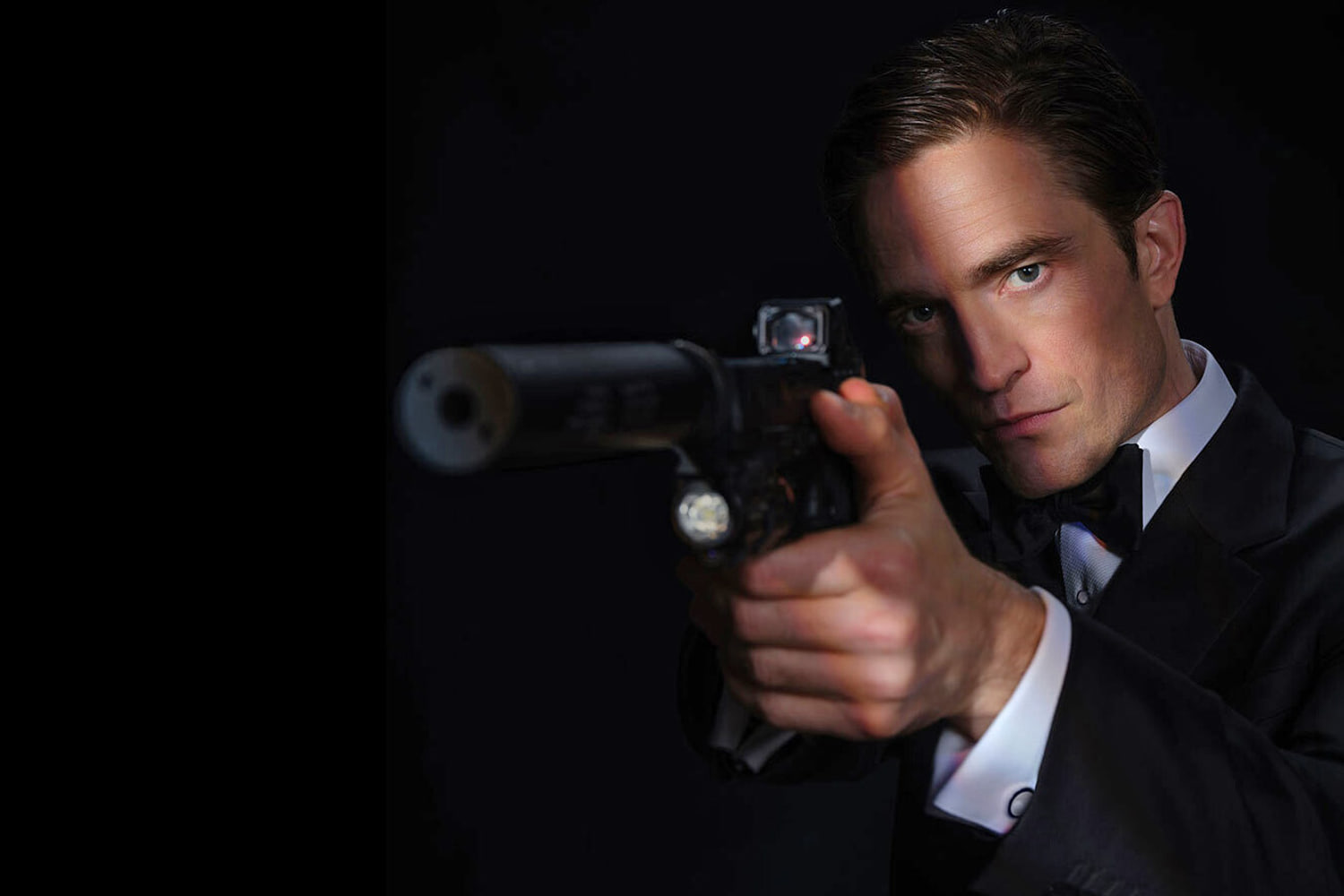
Rumors claiming Robert Pattinson has been officially cast as the newest James Bond have flooded entertainment feeds, yet Eon Productions and Amazon MGM Studios have made no official announcement confirming the British actor as Daniel Craig’s successor. While social media cycles and betting markets frequently react to unverified industry whispers, the prospect of Pattinson stepping into the tuxedo represents a fascinating case study in modern franchise management. Putting a high-profile, idiosyncratic actor at the center of a billion-dollar espionage brand involves far more than just matching a jawline to a tailored suit. It requires navigating overlapping studio contracts, shifting audience expectations, and the rigid creative control of the Broccoli family.
The Anatomy of a Casting Rumor
Hollywood rumor mills operate on a predictable, self-sustaining loop. An anonymous tip surfaces on a message board or a low-tier tabloid, aggregators rewrite the claim with sensational headlines, and sportsbooks adjust their odds to capture public betting money. Because Eon Productions guards its casting process with extreme secrecy, information vacuums inevitably get filled by fan wish-casting and speculative journalism.
Pattinson is a recurring target for these cycles because he fits the surface-level criteria that producers Barbara Broccoli and Michael G. Wilson have historically favored. He is British, stands over six feet tall, possesses classical leading-man features, and sits right in the target age bracket of mid-to-late thirties. Unlike actors in their twenties, who often lack the gravitas required to sell a seasoned intelligence officer, or actors pushing fifty, who cannot physically sustain a fifteen-year production schedule, a performer in his late thirties offers longevity.
Yet fitting a demographic profile is a vastly different matter from actually signing a contract. When you examine the logistics of Pattinson’s current career trajectory, the logistical hurdles become immediately apparent.
The Warner Bros. Scheduling Trap
The biggest obstacle standing between Robert Pattinson and MI6 is not talent or public perception, but corporate exclusivity and production calendars. Pattinson is already the anchor of another massive, multi-film tentpole franchise: Matt Reeves’ The Batman universe at Warner Bros. Discovery.
Modern blockbuster filmmaking leaves virtually zero room for an actor to headline two competing billion-dollar properties simultaneously. A single James Bond production requires roughly six to eight months of principal photography across multiple continents, preceded by months of intensive stunt training and followed by a grueling global press tour. The Batman productions demand an identical commitment, characterized by nocturnal shoots, heavy physical conditioning, and extensive post-production reshoots.
Studios protect their primary investments through strict contractual language. Warner Bros. holds first-position rights on Pattinson’s schedule for future Gotham installments, meaning any Bond production would have to bend its timeline around a rival studio’s release slate. Eon Productions does not share its leading men. Historically, once an actor signs on as 007, Bond becomes their primary professional identity, with smaller passion projects squeezed into the narrow gaps between installments. Trying to balance Gotham City and Whitehall would create a logistical nightmare that neither Amazon MGM nor Warner Bros. has any financial incentive to tolerate.
The Eon Productions Playbook
To understand why Pattinson deviates from historical precedent, you have to look at how Eon Productions has operated for over six decades. Broccoli and Wilson rarely hire actors who are already global household names from other major franchises.
Consider the track record:
- Sean Connery was a relatively unknown Scottish actor with a background in bodybuilding and minor television roles before Dr. No.
- George Lazenby was a male model with zero feature film acting credits prior to On Her Majesty's Secret Service.
- Roger Moore was famous on television for The Saint, not as a dominant box-office movie star.
- Timothy Dalton was primarily a respected classical stage actor.
- Pierce Brosnan was best known for the television series Remington Steele and had been kept out of the role for years due to network contract obligations.
- Daniel Craig was a critically acclaimed character actor known for indies like Layer Cake and supporting roles in Munich and Road to Perdition, entirely unfamiliar to mainstream global audiences as a leading action hero.
Eon avoids established megastars for two distinct reasons. First, there is the issue of audience immersion. When viewers watch an actor already synonymous with another iconic character—whether that is Batman or Edward Cullen from The Twilight Saga—it becomes significantly harder to suspend disbelief. The audience sees the movie star wearing a tuxedo rather than James Bond on a mission. Eon wants the character to be the star, ensuring the brand remains bigger than any single performer.
Second, there is the matter of financial leverage and creative control. An actor on the cusp of stardom signs a multi-picture deal at a manageable base salary, accepting backend points and the career-defining prestige of the role. A global A-lister with a proven track record of opening major studio films commands massive upfront fees, demands script approval, and brings an entourage of agents and managers looking to shape the creative direction. Broccoli and Wilson have fought fiercely since the 1960s to maintain total creative autonomy over the Bond franchise. Hiring an actor with immense industry clout disrupts that power dynamic from day one.
The Reinvention of Robert Pattinson
Even if we set aside scheduling conflicts and Eon’s historical preferences, Pattinson’s own artistic instincts make him a fascinating, albeit unpredictable, fit for the franchise. Over the past decade, he has executed one of the most deliberate career pivots in modern cinema.
Following the conclusion of The Twilight Saga in 2012, Pattinson actively rejected conventional Hollywood leading-man roles. Instead, he sought out uncompromising auteur directors, working with David Cronenberg on Cosmopolis, the Safdie brothers on Good Time, Claire Denis on High Life, and Robert Eggers on The Lighthouse. He consistently gravitated toward characters who were deeply flawed, neurotic, physically grotesque, or morally repulsive.
His eventual return to studio filmmaking with Christopher Nolan’s Tenet and Reeves’ The Batman did not mark a surrender to commercial formulas; rather, he brought his idiosyncratic, almost avant-garde sensibilities into the blockbuster space. His Bruce Wayne was not a suave, billionaire playboy, but a reclusive, traumatized drifter who barely spoke above a whisper.
Applying that same methodology to James Bond would represent a radical departure from every previous iteration of the character. While Daniel Craig introduced emotional vulnerability, physical brutality, and psychological trauma to 007, his Bond still retained the core traits of Ian Fleming’s creation: a sophisticated appreciation for luxury, effortless charm in high-stakes social settings, and a cold, professional lethality.
Pattinson thrives on subverting expectations and making audiences uncomfortable. If he were ever handed the keys to the Aston Martin, he would almost certainly push the character toward eccentric, unsettling territory. For a franchise that relies heavily on broad international appeal and reliable brand tropes—the martinis, the tailored suits, the exotic locales, the seductive charm—an overly experimental interpretation carries immense commercial risk.
The Amazon MGM Factor
We cannot analyze the next Bond casting without accounting for the massive corporate shift behind the scenes. In 2022, Amazon acquired MGM for $8.5 billion, securing a fifty percent stake in the James Bond franchise alongside Eon Productions.
While Barbara Broccoli and Michael G. Wilson retain strict creative control over the theatrical films—deciding who plays Bond, who directs, and when the scripts are ready—Amazon has a massive financial investment to recoup. Streaming platforms and tech conglomerates operate on a vastly different timeline than traditional family-run production houses. Amazon wants content, spin-offs, and regular theatrical releases to feed its global ecosystem.
This corporate pressure creates an inherent tension. Reports from industry insiders have repeatedly highlighted friction between Eon’s deliberate, artisan approach to filmmaking and Amazon’s desire to modernize and expand the intellectual property.
In this environment, casting becomes a high-stakes negotiation. Amazon executives might naturally gravitate toward a recognized, bankable name like Pattinson because his attachment immediately guarantees global media coverage, algorithmic engagement, and built-in box-office insurance. Conversely, Eon traditionally prefers to take its time, screen-testing dozens of lesser-known actors in classic Bond scenes—such as the famous bedroom encounter from From Russia with Love—to find someone who embodies the essence of the character without bringing pre-existing baggage.
What Actually Happens Next
When Eon Productions finally announces the seventh official James Bond, the rollout will not happen through a leaked blog post or an unverified social media rumor. It will be a meticulously choreographed global media event, likely staged at Pinewood Studios in the United Kingdom, complete with a press conference, a title reveal, and a clear production start date.
Until that day arrives, every headline declaring a definitive winner should be treated with heavy skepticism. Agents routinely plant casting rumors in the trade press to boost their clients' profiles during contract negotiations for entirely unrelated projects. Betting houses happily amplify those whispers to generate publicity and handle wagers.
Robert Pattinson possesses the physical presence, the dramatic range, and the international stature to command any screen he steps onto. He has already proven in Tenet—where he played a suave, sharply dressed intelligence operative named Neil—that he can effortlessly pull off the exact aesthetic required for a classic espionage thriller. Yet between his ironclad commitments to Warner Bros., his fierce dedication to unconventional character work, and Eon Productions' sixty-year aversion to hiring established franchise stars, his path to 007 remains blocked by formidable industry realities.
The next James Bond will almost certainly be someone who can dedicate the next fifteen years of their life exclusively to the role, free from rival studio contracts and ready to let the tuxedo define their entire legacy.