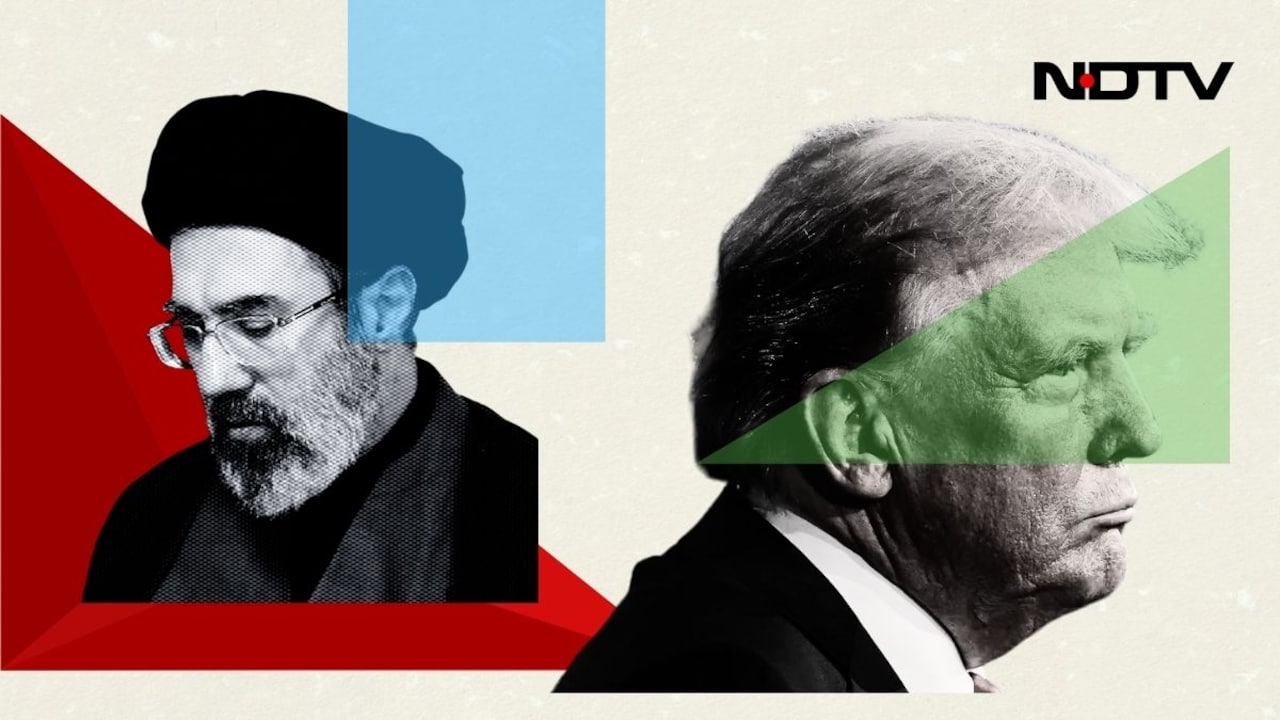
The framework peace deal struck between the United States and Iran on June 14, 2026, aims to end months of devastating war, lift the American naval blockade, and reopen the choked Strait of Hormuz. But the arrangement is not the diplomatic triumph being broadcast from Washington and Tehran. It is a fragile temporary truce built on deferred crises and fundamental disagreements over shipping fees, nuclear enrichment, and Israel's ongoing campaign in Lebanon. By pushing the most explosive issues into a brief 60-day negotiating window, the accord secures an immediate pause in hostilities at the expense of a durable regional settlement.
A deeper look at the memorandum of understanding reveals that both sides merely hit the reset button to return to the pre-war status quo. The primary driver for the white flag was mutual economic exhaustion, not a sudden alignment of strategic interests.
The Illusion of Free Navigation
White House declarations hailed the "toll-free opening" of the Strait of Hormuz, a critical bottleneck responsible for a fifth of the world's petroleum consumption. The reality on the water will look entirely different.
Iranian state regulators and naval advisors have already made it clear that they intend to collect fees for maritime security, environmental tracking, and navigation services. Tehran views the southern shipping lanes as sovereign territorial waters managed alongside Oman. They have no intention of providing free passage to global commerce.
A 30-day demining phase must occur before shipping traffic can approach pre-war levels. During this time, insurance syndicates in London will keep premiums prohibitively high, blunt-forcing a continuation of the global energy crunch regardless of what politicians sign in Geneva on Friday.
The economic relief promised to Iran is equally unstable. Tehran claims it secured the unconditional return of $12 billion in frozen foreign assets, alongside a vague $300 billion Western-backed regional reconstruction fund.
In truth, Washington has only granted a 60-day waiver on Iranian oil and petrochemical exports. Undoing the dense labyrinth of secondary sanctions imposed by federal law and executive orders requires congressional cooperation that does not exist. Iranian negotiators are desperate to avoid a rerun of 2018, when they dismantled their nuclear infrastructure only to watch a previous administration tear up the deal and reimpose economic strangulation. This structural distrust means Iran will keep its hand on the maritime choke valve as its primary leverage.
The Nuclear Kick the Can Strategy
The ostensible cause of the war—Iran’s rapid accumulation of highly enriched uranium—has been entirely excluded from the immediate peace terms. United States negotiators abandoned their core pre-war demand that Iran export its entire nuclear stockpile and halt all domestic enrichment.
Instead, the framework kicks the nuclear file down the road for two months. The current proposal allows Iran to keep its stockpile inside its borders, offering the option to blend its 60% enriched uranium down to a civilian-grade 3.67%.
This concession ignores the reality of modern centrifugal enrichment. Last year's airstrikes severely damaged three major underground nuclear sites, but they failed to erase the engineering expertise acquired by Iranian scientists. By allowing domestic enrichment to continue at any level, the deal preserves Tehran's technical capacity to cross the breakout threshold whenever diplomacy fails. The arrangement does nothing to address Iran’s long-range ballistic missile inventory, a glaring omission that has alienated traditional American allies in the region.
The Lebanon Friction Point
The most immediate threat to the June 19 signing ceremony comes from Beirut. While Pakistan and Qatar brokered the deal under the premise of a comprehensive ceasefire across all fronts, the Israeli government remains entirely decoupled from the text.
Prime Minister Benjamin Netanyahu’s administration maintains that its operations to dismantle Hezbollah infrastructure in southern Lebanon will proceed independently of Washington's deals. This parallel war disproves the concept of a regional settlement.
Hostility Timeline (First Half 2026)
----------------------------------------------------------------------
Feb 28: US-Iran nuclear talks collapse in Geneva; war begins.
Mar 06: White House demands "unconditional surrender" from Tehran.
Apr 08: Short-lived two-week ceasefire broken by regional proxy strikes.
Jun 14: Qatar and Pakistan broker initial framework peace deal.
Jun 19: Scheduled formal signing ceremony in Geneva.
The friction was on full display hours before the framework was announced, when an Israeli strike targeting a senior communications official in southern Beirut nearly caused Iranian negotiators to walk away from the table. Hezbollah has officially praised the agreement as a victory that will force an eventual Western retreat, signals that indicate the group has no intention of disarming or pulling back from the Israeli border.
If Israel continues its northern push, Iran will face intense pressure from its military command to resume direct missile and drone strikes, instantly invalidating the Geneva text before the ink dries.
Strategic Realities of the Truce
Veteran diplomats recognize this text for what it is. A classic operational pause.
The United States administration is facing intense domestic pushback over the rising costs of an unauthorized conflict ahead of critical midterm elections. Iran's clerical leadership, shaken by economic stagnation and internal political protests, needed to resume oil shipments to stabilize its currency.
Both leadership teams chose immediate political survival over the difficult, multi-year work of constructing an enforceable regional security framework.
By treating the symptoms of the conflict—the naval blockade and the closed shipping lanes—while ignoring the core issues of proxy warfare and nuclear proliferation, the negotiators have guaranteed that the underlying triggers remain active. The world may get a brief window of cheaper crude oil this summer, but the structural flaws of this accord mean the countdown to the next collision has already begun.