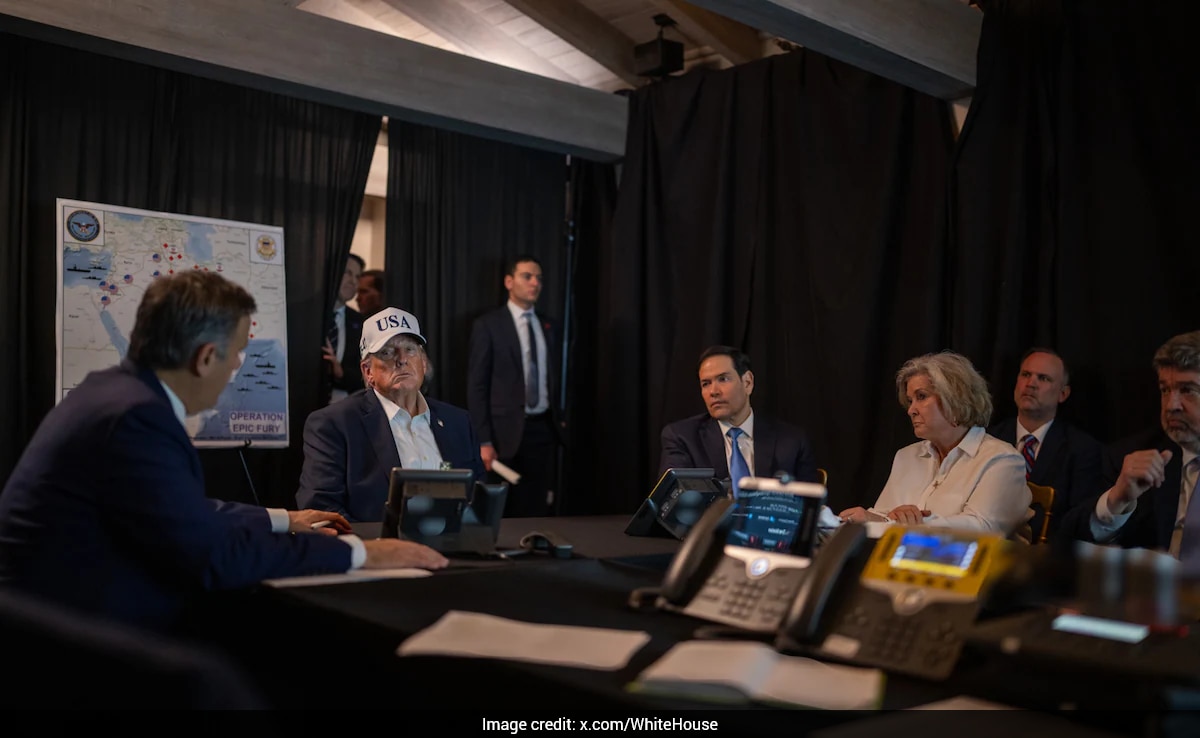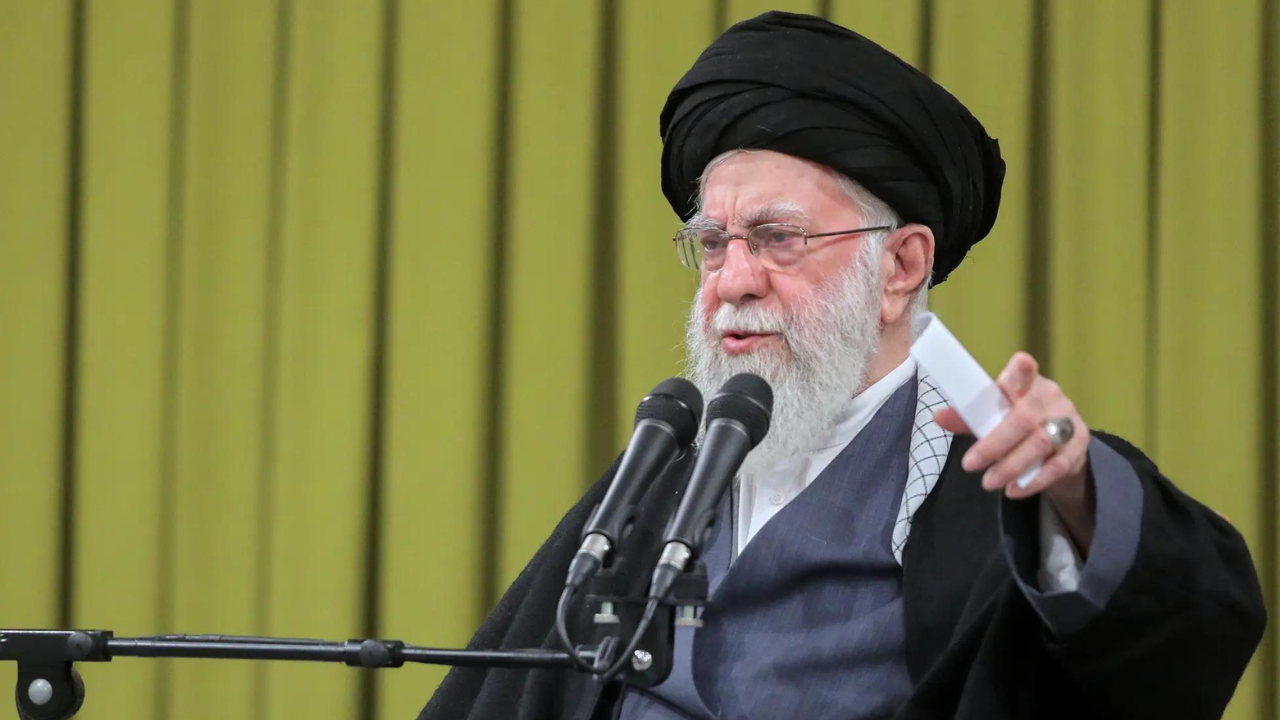
The rumors started as a flicker on encrypted messaging apps before exploding into a global firestorm. Operation Epic Fury isn't just a catchy military codename. It's the label fixed to one of the most audacious and controversial military gambles in modern history. When the news broke that U.S. strikes led by the Trump administration had reportedly targeted and killed Iran's Supreme Leader Ali Khamenei along with key members of his family in Tehran, the world stopped.
You've probably seen the conflicting headlines. Some call it a liberation; others call it a catastrophic breach of international law. But if you're trying to figure out what actually happened on the ground and why this specific operation changed the Middle East forever, you have to look past the partisan shouting matches. This wasn't just a random series of drone strikes. It was a multi-layered decapitation strike designed to dismantle the very core of the Islamic Republic’s power structure in one fell swoop. Meanwhile, you can explore other developments here: The Calculated Silence Behind the June Strikes on Iran.
Why Operation Epic Fury Happened Now
To understand the "how," you have to grasp the "why." For years, the tension between Washington and Tehran simmered at a breaking point. We saw the shadow wars, the tanker seizures, and the proxy battles in Yemen and Iraq. The U.S. intelligence community had been tracking the movements of the inner circle for months. They weren't just looking for Khamenei. They were looking for the moment when the political and military leadership were most vulnerable—together.
Intelligence reports suggest that a high-level meeting was taking place in a secure compound in Northern Tehran. This wasn't a public event. It was a private gathering involving the Supreme Leader's immediate family and his most trusted advisors. The Trump administration saw a window. They didn't just want to send a message. They wanted to erase the leadership. To understand the bigger picture, we recommend the excellent analysis by Associated Press.
The decision to pull the trigger on a sovereign capital is a massive escalation. It’s the kind of move that military theorists have debated for decades. In this case, the administration bet that the shock and awe of the strike would paralyze the Islamic Revolutionary Guard Corps (IRGC) before they could coordinate a meaningful response.
The Mechanics of the Tehran Strikes
This wasn't a carpet-bombing campaign. That’s a common misconception. Operation Epic Fury relied on high-precision kinetic energy projectiles and "R9X" Hellfire variants—the ones often called "ninja bombs" because they use retractable blades rather than heavy explosives to minimize collateral damage.
- Infiltration of Airspace: U.S. stealth assets, likely F-35s and advanced unmanned platforms, bypassed Iranian radar systems that had been supposedly upgraded with Russian tech.
- The Target: A fortified villa in the Shemiran district. This area is known for its elevation and its history as a retreat for the Iranian elite.
- The Execution: Multiple strikes hit within seconds of each other. The goal was to ensure no one in the compound could reach the underground bunkers.
The reports coming out of Tehran in the immediate aftermath described a scene of targeted chaos. While the surrounding neighborhood remained largely intact, the specific structures housing the Supreme Leader's family were turned to rubble. It’s a terrifying display of modern warfare’s surgical capability. If you think old-school borders protect heads of state anymore, this operation proved you wrong.
The Death of Ali Khamenei and the Power Vacuum
Confirming the death of a figure like Khamenei is notoriously difficult. The Iranian state media usually goes into a lockdown, playing Quranic recitations and archive footage to buy time. But this time, the silence was broken by frantic leaks from within the IRGC itself.
The loss of the Supreme Leader is more than just the loss of a president or a prime minister. In the Iranian system, the Velayat-e Faqih (Guardianship of the Islamic Jurist) is the glue. Without Khamenei, and with his potential successors—including his son Mojtaba—reportedly caught in the same strike, the line of succession vanished instantly.
We’ve seen power vacuums before, but nothing on this scale. Usually, there's a deputy ready to step in. Here, the strike was designed to take out the "heir and the spare." It left the Assembly of Experts—the body responsible for choosing a new leader—in a state of total panic.
Global Markets and the Price of War
If you think this only matters to historians and generals, check your gas prices. The second the news of Operation Epic Fury hit the wires, Brent Crude spiked. Traders don't like uncertainty, and there is nothing more uncertain than a headless regional superpower sitting on the Strait of Hormuz.
- Oil Volatility: Prices jumped 15% in a single trading session.
- Gold: Investors sprinted toward safe-haven assets, pushing gold to record highs.
- Regional Currencies: The Iranian Rial essentially ceased to have value on the open market within hours.
The economic fallout is a reminder that in 2026, a bomb dropped in Tehran is felt in petrol stations in London and Tokyo. The U.S. administration banked on the idea that a quick strike would be less damaging than a long, drawn-out war. It’s a risky gamble. If the IRGC decides to block the Strait of Hormuz in a "suicide" move, the global economy could face a shock worse than the 2008 crash.
What the Critics Get Wrong About Modern Decapitation
A lot of "experts" on cable news like to claim that killing a leader never works because it just creates a martyr. That’s a nice sentiment, but it ignores the reality of centralized authoritarian states. When you spend forty years building a system where one man holds all the cards, that system doesn't just "reset" when he’s gone. It shatters.
The IRGC is a massive business empire as much as it is a military. Without the Supreme Leader to mediate between the various factions, these commanders start looking out for their own interests. We’re already seeing reports of local IRGC units refusing orders from Tehran. They aren't turning into martyrs; they're turning into warlords.
The Trump Doctrine in 2026
This operation marks the definitive peak of what many call the "Trump Doctrine"—a mix of extreme isolationism coupled with bursts of overwhelming, lethal force. It’s the "leave us alone or we will erase you" school of foreign policy. By bypassing traditional diplomatic channels and going straight for the Supreme Leader, the U.S. has effectively told the world that the old rules of "proportional response" are dead.
Critics argue this makes the world far more dangerous. They're probably right. When the "red lines" are this blurry and the response is this final, every minor skirmish carries the risk of total assassination. But supporters of the strike argue that it’s the only language the Iranian regime understood. They point to the relative quiet from other regional adversaries in the days following the strike as proof that the "madman theory" of diplomacy actually works.
Facing the Immediate Aftermath
The dust hasn't settled in Tehran. You should expect a period of extreme instability. If you have interests in the region or follow global markets, you need to watch the following indicators:
- The Assembly of Experts: Watch if they can actually name a successor within 48 hours. If they can't, expect internal civil war.
- Cyber Warfare: Iran’s primary tool of retaliation won't be a missile; it will be a digital attack on U.S. infrastructure.
- Proxy Reactions: Keep an eye on Hezbollah in Lebanon. If they stay quiet, it means the "Epic Fury" strike successfully terrified the satellite groups. If they fire, the whole Levant goes up.
The era of the "forever war" might be over, but the era of the "instant collapse" has just begun. Move your assets into diversified positions and stay away from regional travel until a clear successor is named—if one ever is. The map of the Middle East was redrawn in a single night, and the ink is still wet.