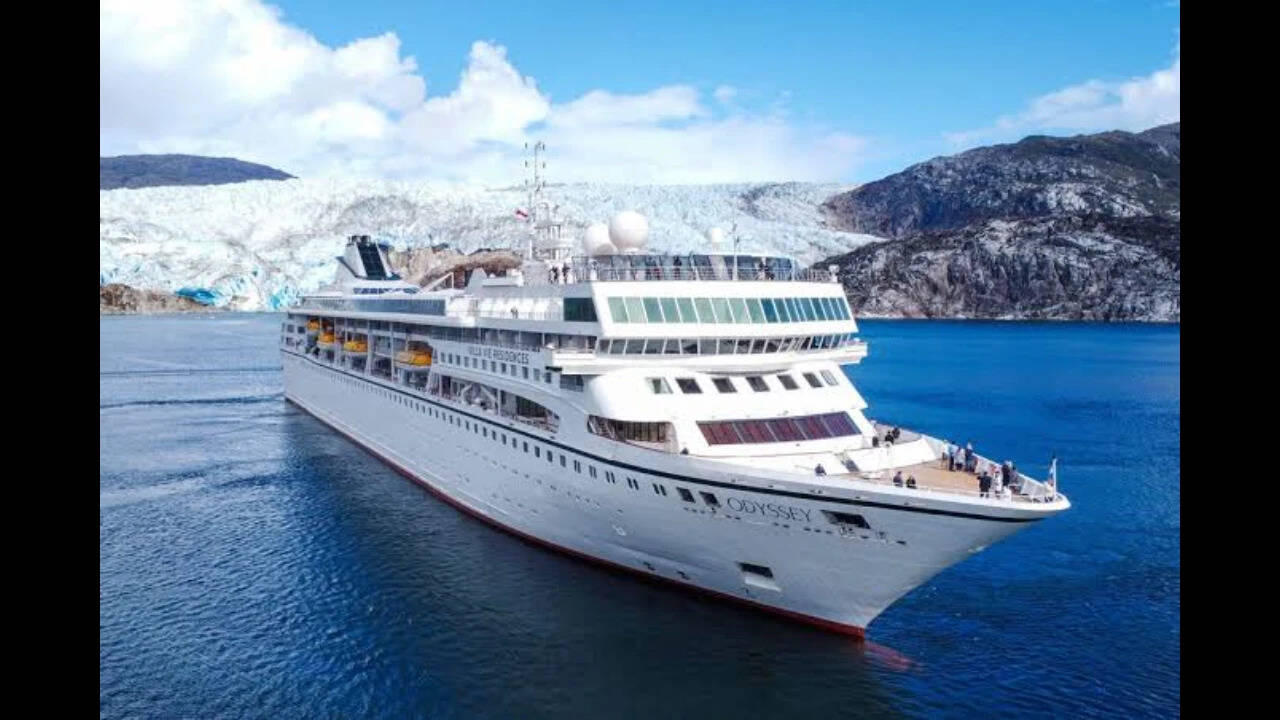
Imagine selling your house, packing your entire life into two suitcases, and wiring tens of thousands of dollars to live on a luxury cruise ship forever. Now imagine getting dumped in a Cambodian port town because the company suddenly claims it can't afford gas.
That isn't the plot of a straight-to-streaming thriller. It's the exact nightmare that played out for dozens of retirees and remote workers who bought into the dream of a never-ending cruise sold by a Florida-based operator. When a Florida cruise company abandoned passengers in Cambodia, it exposed the massive, unregulated blind spots in the booming residential cruise industry.
I've spent years analyzing maritime contracts and consumer travel protections, and honestly, the residential cruise model is a legal minefield waiting to detonate. Unlike standard seven-day Caribbean vacations, "world cruises" and "live-at-sea" residencies operate in a gray area where standard consumer protections barely exist. When these companies run out of cash, passengers don't just lose a deposit—they lose their homes.
The Anatomy of a Residential Cruise Collapse
The pitch is seductive. For less than the cost of a mortgage or an assisted living facility, you get an ocean-view cabin, housekeeping, all-inclusive dining, and a constantly changing backyard spanning 100+ countries. Companies based in Florida—the undisputed capital of the global cruise industry—have aggressively marketed these perpetual voyages to baby boomers and digital nomads over the last few years.
Here is how the business model actually works behind the glossy brochures.
Most startup cruise lines don't own the ships outright. They lease aging vessels from larger operators or buy decades-old ships that major lines like Carnival or Royal Caribbean have retired. Keeping a 30-year-old floating hotel running requires astronomical amounts of heavy fuel oil, constant mechanical retrofitting, and strict compliance with international maritime safety codes.
To fund these upfront costs, startups rely heavily on passenger deposits. They collect $30,000, $50,000, or even $100,000+ per cabin months—sometimes years—before the ship ever leaves the dock. It's essentially crowdfunding on the high seas.
When things go wrong, they go wrong fast. In the Cambodia incident, passengers had already boarded and begun their journey, trusting that their upfront payments covered operational expenses for the foreseeable future. Instead, they were abruptly informed in Sihanoukville, Cambodia, that the voyage was over. The stated reason? Unforeseen fuel costs and financial shortfalls.
You don't just miscalculate bunker fuel prices overnight. Marine fuel fluctuates daily, and every legitimate cruise line hedges its fuel costs months in advance using financial derivatives. Citing sudden fuel expenses in the middle of an active international itinerary isn't an act of God. It's a symptom of a company operating with zero cash reserves.
Why Maritime Law Leaves Long-Term Passengers Exposed
If you book a standard cruise out of Miami and the line goes bankrupt before you sail, you have a fighting chance of getting your money back. Under the Federal Maritime Commission (FMC) regulations in the United States, passenger vessel operators embarking from U.S. ports must maintain financial responsibility—usually through a surety bond or escrow account—to indemnify passengers for non-performance.
There is a massive catch.
The FMC's financial protection rules primarily apply to vessels boarding passengers at U.S. ports. Many startup residential cruise companies intentionally structure their itineraries to embark in Europe, South America, or Asia. By avoiding U.S. embarkation ports, they sidestep strict American bonding requirements entirely.
Even when a company is incorporated in Florida, having a corporate mailing address in Miami or Fort Lauderdale doesn't mean your money is protected by U.S. maritime bonding laws if you step onto the ship in Istanbul, Singapore, or Sihanoukville.
Once you are on the vessel, your rights are governed by the "Passenger Ticket Contract"—that 40-page wall of fine print you click "I Agree" on without reading. Almost every cruise contract includes sweeping force majeure and itinerary-change clauses. These clauses legally allow the carrier to:
- Cancel the voyage at any point for operational or financial reasons.
- Disembark passengers at any port of call without guaranteeing onward airfare home.
- Limit their financial liability strictly to a prorated refund of the unused portion of the fare—which is completely worthless if the company is filing for bankruptcy protection.
When the ship docks in Cambodia and the crew announces the money is gone, that contract becomes a shield for the company and a trap for the passenger. You are suddenly responsible for booking last-minute international flights from Southeast Asia back to North America, paying for emergency hotels, and figuring out how to ship months' worth of personal belongings home.
The Fuel Cost Excuse Doesn't Hold Water
Let's look closer at the specific excuse given to those stranded passengers in Cambodia. Fuel is undeniably one of the largest line items on any cruise operator's balance sheet, typically accounting for 10% to 15% of total operating expenses. Large cruise ships burn anywhere from 150 to 250 tons of fuel per day depending on their speed and size.
However, maritime fuel pricing isn't a secret. Global bunker fuel indices—like those tracked in Singapore, Rotterdam, and Fujairah—are publicly available to every shipping executive on earth.
When a cruise operator claims they have to abandon passengers mid-voyage due to fuel costs, it usually points to one of three underlying failures:
- Predatory Underpricing: The company priced cabins artificially low to attract early buyers, assuming they could fill the rest of the ship later at higher rates. When those later cabins didn't sell, the math fell apart.
- Commingling Funds: Instead of keeping passenger deposits in a restricted escrow account dedicated strictly to future operating costs, the operator used new deposits to pay off old debts, marketing agencies, or vessel dry-dock repairs.
- Port Fee and Supplier Defaults: Ports don't let ships refuel on credit if the operator has a shaky balance sheet. Often, "we can't afford fuel" actually means local maritime suppliers in Asia demanded cash upfront because the cruise line had already defaulted on bills at previous ports.
In the shipping world, once a vendor refuses to bunker a ship without wire-transferred cash in hand, the voyage is dead. The captain literally cannot legally or safely leave the harbor without enough fuel to reach the next port plus mandatory safety reserves.
Red Flags You Must Check Before Booking Any Long-Term Voyage
The dream of living at sea isn't going away. Several legitimate operators are working hard to make residential cruising a sustainable reality, and some major established lines offer 120-to-180-day world cruises that run like clockwork.
The difference between a dream retirement and getting stranded in a foreign port comes down to due diligence before you wire a single dollar. If you are considering a long-term cruise, a world voyage, or a live-aboard residency, treat it like a major real estate investment—not a vacation booking.
Verify the Escrow Structure
Never accept a vague promise that your deposit is "safe." Ask for the name of the third-party bank or financial institution holding the escrow account. Read the escrow agreement directly. Your funds should not be released to the cruise operator until the ship has actually cleared customs, passed maritime safety inspections, and legally embarked on your specific itinerary. If the company uses your deposit to fund ship renovations, walk away.
Inspect the Vessel's History and Ownership
Find out the exact International Maritime Organization (IMO) number of the ship. You can look this seven-digit number up in public maritime databases like Equasis in under two minutes. Check who actually owns the vessel, what flag it sails under, and its recent Port State Control inspection history. If the ship has been detained multiple times in the last three years for safety or mechanical violations, or if the startup hasn't even finalized the purchase of the vessel yet, do not buy a ticket.
Use a Credit Card—Never a Wire Transfer
Startup cruise lines love asking for ACH bank transfers or wire transfers because they save 3% on merchant processing fees. They will often offer you a "discount" to pay by wire. Do not take it. Under the Fair Credit Billing Act in the United States, paying by credit card gives you chargeback rights if services are not rendered. Once you wire cash to an LLC in Florida, that money is gone the second the company declares insolvency.
Buy Comprehensive "Cancel for Any Reason" and Default Insurance
Standard travel insurance policies rarely cover financial default of the travel supplier unless you purchase the policy within 14 to 21 days of your very first deposit—and even then, many insurers maintain an "excluded suppliers" list of financially shaky startups. Verify in writing that the specific cruise operator is covered under the insurer's financial default clause, and ensure your policy includes emergency evacuation and repatriation benefits up to at least $100,000.
What to Do If You Are Already Booked on a Questionable Voyage
If you already have tens of thousands of dollars tied up with a boutique cruise operator and you're seeing warning signs—delayed launch dates, sudden itinerary changes, unanswered emails from customer service, or vague updates about "refurbishments"—you need to act before the ship ever reaches a remote port.
Start documenting every single communication immediately. Save screenshots of the original promised itinerary, marketing materials claiming all-inclusive fuel coverage, and every email from their booking agents.
If you paid by credit card, contact your card issuer's dispute department right away to ask about your window for a chargeback due to non-delivery of services, especially if the company has already delayed your sailing date. If you paid by wire transfer and the company is already breaching its timeline, consult a maritime attorney in the state where the company is incorporated—not a general practice lawyer—to see if you can demand a contractual refund before their remaining cash reserves hit zero.
Never sell your primary residence or give up your lease until the ship has successfully completed at least three consecutive international voyages without mechanical or financial interruptions.