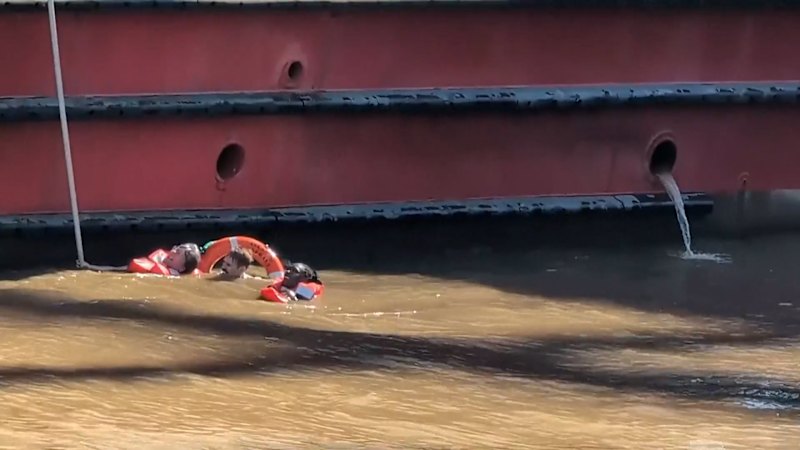
When headlines flash across your screen reading "cruise ship hit by tanker in New Orleans, passengers in water," panic spreads faster than the actual facts. That specific phrasing has popped up repeatedly across social media feeds, clickbait aggregators, and recycled breaking-news alerts over the years, often blending real maritime accidents on the Mississippi River with exaggerated rumors of mass rescues.
Let's clear the air right away. Navigating the Lower Mississippi River near New Orleans is one of the trickiest commercial transit corridors in North America, and vessel collisions do happen. However, reports claiming passengers are actively floating in the river after a major cruise ship and tanker crash require immediate fact-checking against U.S. Coast Guard logs and National Transportation Safety Board (NTSB) records.
Why New Orleans River Traffic Creates High Collision Risks
If you've ever stood along the French Quarter riverfront watching massive vessels slide past Jackson Square, you know the scale of river traffic here is staggering. The Port of New Orleans and the surrounding Lower Mississippi River corridor handle hundreds of millions of tons of cargo every single year alongside major ocean-going cruise ships departing from the Erato Street and Julia Street terminals.
The geography itself works against big ships.
Just downstream from the Crescent City Connection bridges, the Mississippi River bends sharply at Algiers Point. This tight turn forces deep-draft ocean tankers, bulk grain carriers, tugboats pushing massive barge tows, and multi-deck cruise ships into narrow channels with swift, unpredictable currents. During high-water seasons in the spring, river currents regularly exceed five or six knots, cutting down the margin for steering error to mere seconds.
Maritime pilots from the Crescent River Port Pilots' Association board every foreign-flagged vessel and large passenger ship entering the river. Even with elite local pilots at the helm, mechanical failures—like a sudden loss of propulsion or a jammed rudder—can turn a routine departure into an emergency before tugboats can intervene.
Separating Real Maritime Incidents from Viral Rumors
Whenever a viral post claims a cruise ship was hit by a tanker in New Orleans with passengers in the water, it's usually doing one of three things. Either it's recycling an old marine casualty report without a date, exaggerating a minor dockside scrape, or conflating a commercial workboat accident with a passenger liner.
Here's what the historical record actually shows about major collisions in this exact corridor:
- The Bright Field Allision (1996): While not a tanker hitting a cruise ship, this remains the most infamous New Orleans riverfront disaster. The bulk carrier M/V Bright Field lost engine power while navigating past the Riverwalk Marketplace and slammed directly into the shopping complex and adjacent pier, injuring dozens of people ashore.
- The Tintomara and Barge Collision (2008): A chemical tanker (M/V Tintomara) collided with a fuel barge near New Orleans, spilling hundreds of thousands of gallons of fuel oil into the Mississippi River and shutting down river traffic for days. No cruise ship passengers were in the water, though the port closure delayed cruise schedules.
- Commercial Vessel Allisions and Mooring Breaks: Almost every year, the U.S. Coast Guard Sector New Orleans responds to incidents where passing tankers or cargo ships create heavy wakes or lose steering, brushing against moored barges or terminal pilings. Social media users watching from riverfront hotels frequently film the commotion and attach sensational captions before official reports are released.
If a modern cruise ship carrying 3,000 to 4,000 passengers actually suffered hull damage severe enough to put passengers into the Mississippi River, it wouldn't be a quiet local rumor. It would trigger an immediate federal Level 1 maritime emergency response involving Coast Guard helicopters, harbor police boats, and national live television coverage within minutes.
How to Verify Breaking Maritime News in Seconds
Don't fall for recycled video clips or unverified posts claiming passengers are in the water. When you see breaking news about a ship collision in New Orleans, check these authoritative sources before sharing anything:
- U.S. Coast Guard Heartland (District 8) Newsroom: Sector New Orleans issues official press releases and marine safety information bulletins immediately following any collision, allision, or search-and-rescue operation on the Lower Mississippi River.
- MarineTraffic or VesselFinder AIS Data: Automatic Identification System (AIS) trackers show real-time positions, speeds, and tugboat escorts for every cruise ship and tanker in New Orleans. If a ship is surrounded by emergency tugs and Coast Guard cutters, you'll see the cluster immediately on the live map.
- National Transportation Safety Board (NTSB) Marine Reports: For confirmed collisions involving commercial vessels and passenger ships, the NTSB opens formal investigations and publishes preliminary factual updates detailing exact damages, injuries, and root causes.
What Cruise Passengers Should Actually Know About River Safety
If you're booked on a cruise leaving New Orleans, the river transit down to the Gulf of Mexico takes roughly seven to eight hours. It's a fascinating stretch of industrial waterway, and despite the heavy tanker traffic, cruising out of New Orleans remains remarkably safe.
Modern cruise ships operating out of the port—including vessels from Carnival, Norwegian, and Royal Caribbean—rely on redundant propulsion systems, bow thrusters, and mandatory local river pilots who know every sandbar and eddy between Canal Street and Southwest Pass. Furthermore, federal Vessel Traffic Service (VTS) operators at the Coast Guard monitor radar and radio communications 24 hours a day, actively spacing out tankers and passenger vessels around tight bends like Algiers Point.
Attend your mandatory muster drill before departure, pay attention to where your life jacket station is located, and enjoy watching the river traffic from the upper decks. And the next time a dramatic headline claims a tanker just dumped cruise passengers into the Mississippi River, check the Coast Guard's official feed first—you'll almost always find the reality is far less sensational than the clickbait.