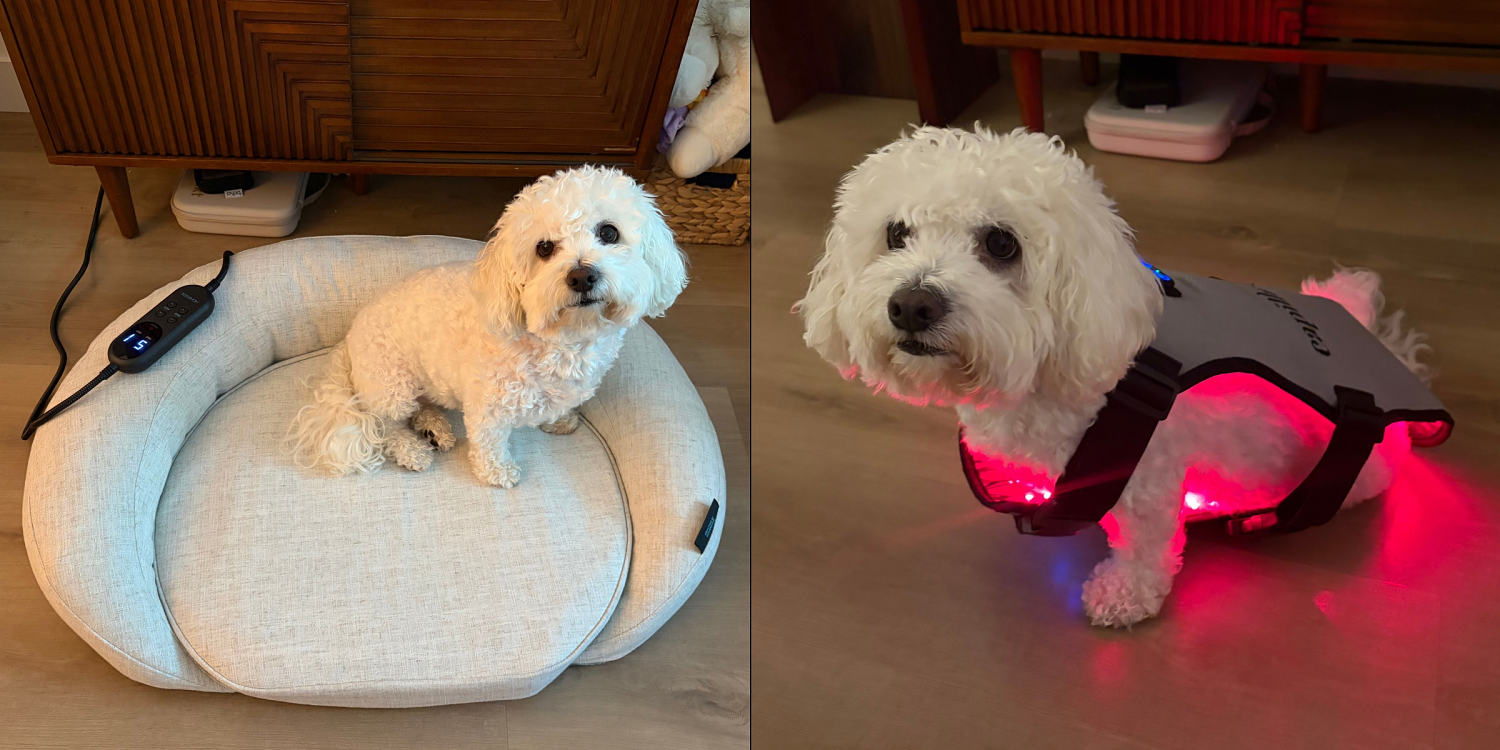
You have seen the devices glowing in upscale pet boutiques and flooding your social media feeds. They look like futuristic shin guards, flexible wraps woven with tiny LEDs, or heavy-duty panels humming with invisible power. The promise is seductive. Strap this glowing wrap onto your aging golden retriever's arthritic hips for ten minutes a day, and watch the stiffness melt away. Proponents whisper about cellular rejuvenation, mitochondrial repair, and an expanded lifespan.
Can red light therapy help your dog live longer? The short answer is no, it will not extend your dog’s biological lifespan. The longer, far more nuanced answer is that it might radically improve the quality of the years they do get, provided you separate the genuine veterinary science from the predatory marketing machine currently exploiting desperate pet owners. In similar updates, we also covered: Structural Failures In Crisis Infrastructure The Economics And Mechanics Of Specialized Support Recovery.
Let us look at what is actually happening beneath the fur.
The Mechanism Behind the Glow
Photobiomodulation, the clinical term for red and near-infrared light therapy, is not a new age parlor trick. It has decades of legitimate medical research backing its use in human and veterinary medicine. WebMD has analyzed this fascinating topic in great detail.
When specific wavelengths of light—typically between 600 and 1000 nanometers—penetrate the skin and subcutaneous tissue, they hit a cellular target called cytochrome c oxidase within the mitochondria. This interaction boosts adenosine triphosphate production. Think of ATP as cellular currency. When cells have more energy, they operate more efficiently, reduce oxidative stress, and accelerate tissue repair.
Veterinary physical rehabilitation specialists use low-level laser therapy and LED pads every single day to manage canine osteoarthritis, speed up surgical incision healing, and mitigate nerve pain. If a dog is limping because of chronic hip dysplasia, reducing the local inflammation around that joint means they can move easier. When a dog can move easier, they exercise more. When they exercise more, they maintain muscle mass, keep their weight down, and preserve cardiovascular health.
That chain reaction is where the confusion about longevity begins.
Red light therapy does not stop the ticking clock of canine cellular senescence. It does not cure cancer, reverse organ failure, or rewrite genetic predispositions to terminal illness. What it does exceptionally well is manage chronic pain and musculoskeletal deterioration. It buys comfort, not years.
The Commercial Exploitation of Canine Aging
Walk down the aisle of any major pet industry expo, and you will witness the shift. Products once confined to veterinary clinics have been repackaged for home consumers with aggressive marketing copy that dances right along the legal boundary of medical claims.
Brands promise vitality, rejuvenation, and longevity. They prey on a universal human vulnerability. We all watch our dogs age at an accelerated rate compared to our own lifespans, and the helplessness of that decline makes us prime targets for anyone selling a technological fountain of youth.
Consumer-grade devices range wildly in quality. Clinical lasers used by certified practitioners operate at specific power densities and coherent wavelengths required to penetrate deep muscle and joint tissue. Many consumer red light wraps sold online use low-output LEDs that may look bright red to the human eye, but lack the photonic energy required to reach deep-seated canine joints, especially through a thick double coat.
You are paying hundreds of dollars for a glorified heating pad with colored lights.
Worse yet, the proliferation of at-home devices without professional diagnosis often masks progressive pathologies. A dog limping because of a torn cranial cruciate ligament does not need red light therapy; they need a surgical evaluation. Treating a mechanical structural failure with light therapy while the underlying joint collapses internally is a recipe for prolonged suffering.
Integrating Modalities Safely
If you want to use photobiomodulation to help your dog, you have to treat it as a medical tool rather than a wellness accessory.
Begin with a proper diagnosis from a board-certified veterinary surgeon or a certified canine rehabilitation practitioner. You need to know precisely what structural or physiological issue you are targeting. Is it hip dysplasia, elbow osteoarthritis, lumbosacral stenosis, or post-operative recovery? Each condition requires specific wavelengths, treatment durations, and frequencies.
Hypothetically, consider a twelve-year-old Labrador retriever named Buster. Buster suffers from severe bilateral elbow dysplasia. His owners purchase a consumer red light wrap and apply it sporadically whenever he seems stiff. They notice minimal change and assume the technology is useless.
Conversely, a structured plan devised with a rehab vet might involve a clinical-grade laser session twice a week for four weeks to reduce acute inflammation, paired with targeted core strengthening exercises and a customized weight management diet. Once baseline comfort is achieved, a high-output home unit can be integrated for maintenance. The light is merely one spoke in a much larger wheel of multimodal pain management.
The Brutal Truth About Canine Longevity
We need to talk about why we are so obsessed with extending the lives of our dogs in the first place.
The biological reality of dogs is heartbreakingly concise. Large breeds burn bright and fast, while small breeds linger longer. No amount of infrared illumination, organic bone broth, or supplement stacks will alter the genetic architecture that caps a Mastiff's life around eight years and a Chihuahua's around fifteen.
When companies market products explicitly around the concept of making your dog live longer, they are selling a comforting illusion. They are monetizing our inability to accept the finite nature of our bond with our animals.
Red light therapy is a phenomenal tool for physical rehabilitation and pain mitigation. It can give an aging dog their dignity back by relieving the grinding ache of arthritis. It can allow a senior dog to climb into the car or walk across the living room rug without wincing.
That is more than enough. We do not need to invent miraculous longevity claims to justify the actual, grounded utility of photobiomodulation. Let the therapy be what it is: a brilliant way to ease the physical burden of getting old, leaving the timeline to nature.