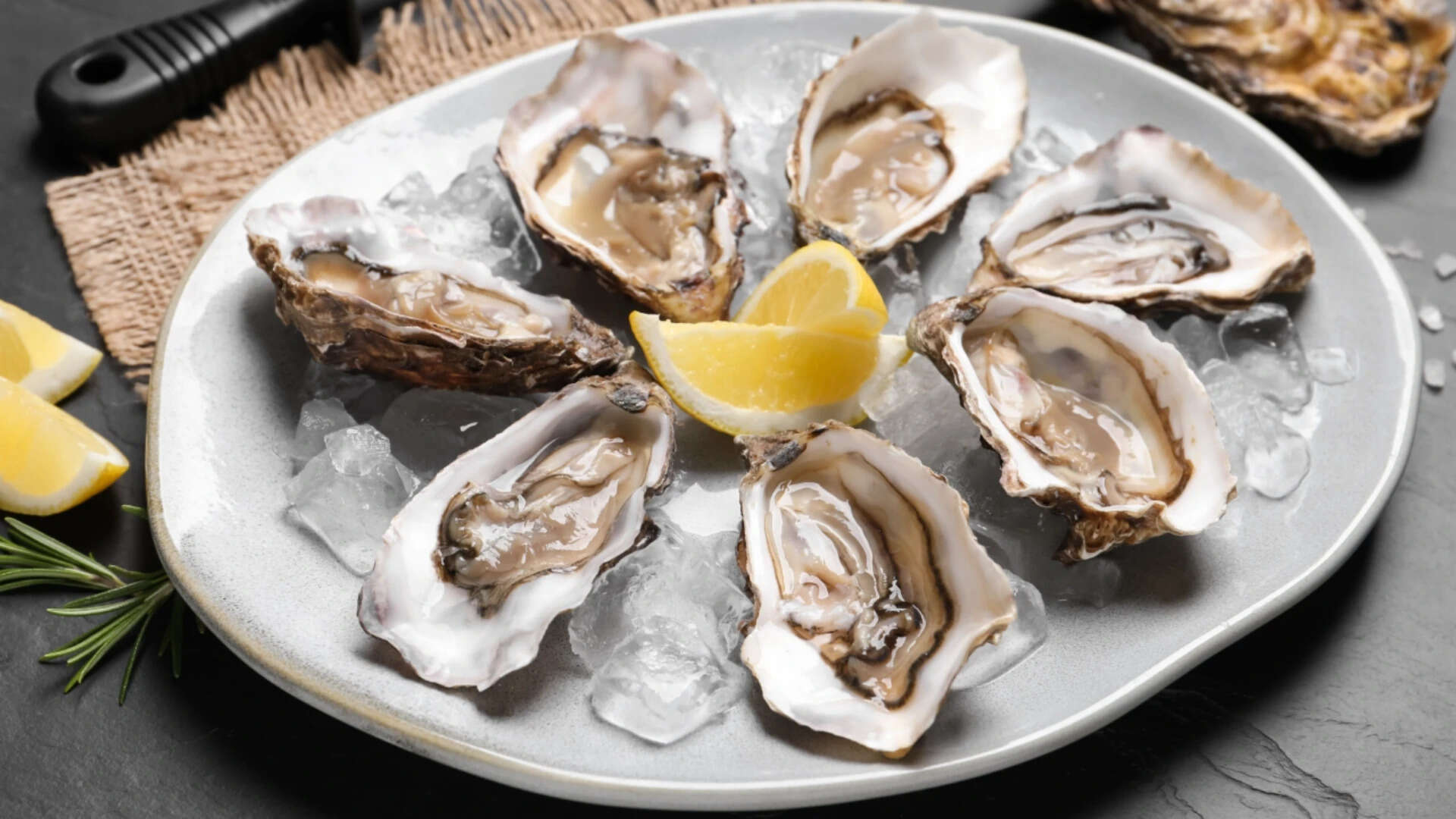
You are walking along the coast, collect a few fresh mussels, and cook them for dinner. They look fine. They smell normal. But within minutes of eating, your lips start tingling. Your fingers go numb. Soon, your muscles weaken, your lungs stop working, and you cannot breathe.
This is paralytic shellfish poisoning. It is triggered by saxitoxin, a terrifyingly potent neurotoxin produced during red tide algal blooms. For decades, medicine had absolutely nothing to reverse it. If you ate contaminated shellfish, doctors could only put you on a ventilator and pray your body cleared the poison before your heart quit.
A stunning discovery changed everything. Researchers at UC San Francisco and Stanford University found the first effective antidote to saxitoxin. Oddly enough, it was sitting inside the common bullfrog all along.
The Deadly Reality of Saxitoxin
Saxitoxin is brutal. It is so toxic that governments stockpiled it as a chemical weapon during the Cold War. The molecule shuts down nerve signals by blocking voltage-gated sodium channels. This stops your nervous system from talking to your muscles, causing rapid paralysis.
Cooking does not destroy saxitoxin. Freezing does not touch it either. Commercial fishing operations use strict monitoring to keep toxic seafood off shelves, but recreational harvesters get caught in the trap every single year. Algal blooms are becoming more frequent globally as ocean temperatures climb, making this threat a growing nightmare for coastal communities.
A team led by biophysicist Daniel Minor at UCSF looked into a century-old mystery. Back in the 1930s, researchers noticed that certain frogs were completely immune to the poison. They did not get paralyzed. They did not die. The secret lay in their blood.
How a Bullfrog Protein Soaks Up the Poison
Frogs produce a specialized protein called saxiphilin. In a study published in Nature Communications, scientists demonstrated that saxiphilin functions like a molecular sponge. It circulates in the blood, hunts down the tiny saxitoxin molecules, and binds to them with extreme force.
Think of it like a defender stealing a ball. The protein wraps around the toxin before it can reach your nerve cells. Once trapped, the toxin gets safely routed to the liver or kidneys to be flushed out.
The real test happened in a living organism. Postdoctoral researchers Samantha Nixon and Sandra Zakrzewska tested lab-grown saxiphilin on mice exposed to lethal doses of the neurotoxin. The results were staggering.
When given before exposure, the protein completely blocked the poison. More importantly, it cured mice that had already received a lethal dose. This mirrors a real-world scenario where someone unknowingly eats toxic clams and needs emergency treatment. The protein spread throughout the body, protecting the heart, brain, and muscles without causing any negative side effects.
Why Past Attempts at an Antidote Failed
Most researchers previously tried to fix this problem by messing with human cell biology. They attempted to create drugs that could undo the nerve damage or force the immune system to fight the toxin. Those ideas failed. Saxitoxin moves too fast and binds too tightly.
Nature solved the problem differently. Instead of repairing the damage, the frog protein intercepts the threat entirely. One single, naturally occurring protein takes the entire chemical weapon out of commission.
There is a catch. Saxitoxin isn't a single entity. It belongs to a family of over 50 structural variants. Thankfully, recent work from 2025 and 2026 confirms that saxiphilin can grab onto a wide array of these variants.
What Happens Next for Shellfish Safety
Moving this from a mouse model to a human pharmacy takes time. Human trials are still a long way off. We need to know if our bodies will tolerate the massive frog protein or reject it.
The research team is already working on engineering smaller, stripped-down versions of saxiphilin. A smaller molecule might move even faster through the human bloodstream and offer broader protection against obscure toxin variants.
This discovery also impacts how we monitor seafood safety. Right now, testing labs use slow, expensive methods to screen shellfish for red tide toxins. Saxiphilin is incredibly sensitive. Scientists want to repurpose this protein to build rapid, cheap diagnostic kits for coastal authorities and commercial fishermen.
If you live near the coast or love foraging, keep an eye on local regulatory updates and state-managed shellfish quarantine pages. Never harvest during a red tide warning, because a public antidote is not sitting on hospital shelves just yet.