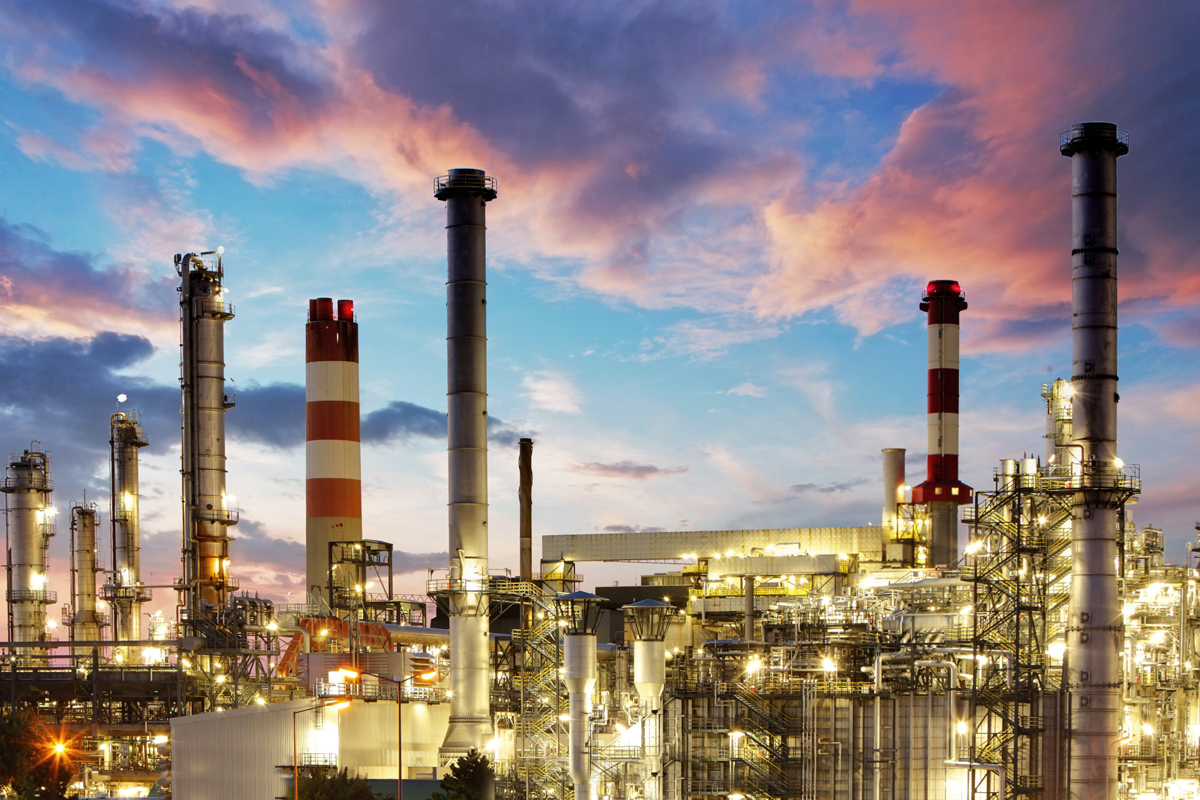
Visual smoke plumes over a burning oil refinery measure optical drama, not throughput loss. Breaking news clips like NDTV's coverage of the October 30, 2026 drone strike on Russia's Novokuybyshevsk Oil Refinery in the Samara region capture a real physical event—columns of black smoke, satellite-detected thermal anomalies, a pause following diplomatic pressure over fuel prices, and casualties during cleanup—yet treat the visual spectacle as the analytical endpoint.
To understand what a strike on a downstream facility like Novokuybyshevsk actually changes, analysts need a five-part framework:
- Throughput versus Optical Damage: Separating visible fire and smoke plumes from sustained reductions in crude distillation and secondary conversion capacity.
- Diplomatic Ceasefire Elasticity: How external political pressure alters strike cadence, and why temporary pauses rarely resolve underlying supply-demand imbalances.
- The Downstream Bottleneck Mechanism: How disrupting refining transforms excess crude oil into domestic motor fuel scarcity and export constraints.
- State Mitigation Trade-Offs: Why export bans, rationing, and lower fuel quality standards shift costs onto consumers, equipment, and neighboring markets rather than creating new barrels.
- Known Facts versus Educated Hypotheses: Drawing a hard line between verified strikes, satellite heat signatures, and official statements versus estimates of multi-week capacity losses or political durability.
Deconstructing the Competitor's Logic
Short-form news reports optimize for immediate verification and emotional immediacy. Footage of smoke rising over Novokuybyshevsk, paired with regional reports of a drone attack, cleanup fatalities, and context about diplomatic friction over global fuel prices, answers what was seen. What it leaves unexamined is what breaks next in an industrial supply chain.
The first analytical gap is confusing perimeter or tank fires with systemic process failure. A refinery is not a single vat of oil; it is a tightly coupled sequence of atmospheric and vacuum distillation units, hydrotreaters, catalytic crackers, and reformers connected by heated transfer lines and tank farms. Smoke rising above a plant can indicate a damaged storage tank, a localized fire, or an emergency shutdown of a primary processing unit. Without distinguishing between a repairable tank incident and damage to high-pressure, long-lead refining columns, observers cannot tell whether throughput drops for days or months.
The second gap is treating diplomatic pauses as structural turning points. When reporting notes a strike occurring after a pause tied to U.S. pressure over rising global fuel prices ahead of elections, the implicit assumption is that diplomacy governs the tempo of the campaign. In practice, political restraint creates a temporary buffer in strike frequency, while underlying operational incentives—degrading an adversary's industrial and fuel-supply base—remain intact once political constraints loosen or shift.
The third gap is missing the second-order causal chain between refinery outages and regional fuel markets. A strike on a refinery in Russia's Samara region does not merely reduce a single plant's output. Because regional refineries supply both domestic transport corridors and export channels, repeated attrition across refining assets alters internal crude routing, tightens domestic gasoline and diesel availability, and forces state interventions that spill across borders.
Throughput Damage and the Downstream Bottleneck Mechanism
Economists often evaluate oil shocks through crude prices, yet crude extraction and refined fuel production face different physical constraints. Crude oil can sometimes be rerouted via pipelines or tankers if domestic processors go offline, whereas refined products—motor gasoline, diesel, jet fuel, and marine fuel—require specialized thermal and chemical conversion before engines can use them.
The operational mechanism behind a refining bottleneck works through three interlocking constraints:
- Conversion Asymmetry: Primary distillation separates crude into cuts, while secondary units upgrade heavier fractions into higher-value fuels. Damage to specialized units can curtail high-spec fuel output even if crude enters the site at reduced rates.
- Thermal Inertia and Restart Risk: Restarting complex refinery units after emergency shutdowns or fires requires careful depressurization, inspection, and heat-up cycles. Rushing restarts under operational pressure increases mechanical wear and safety hazards.
- Logistics Substitution Friction: Replacing lost output from a major refinery requires rail, road, or pipeline reallocation from other plants that may already face maintenance backlogs or air-defense strain.
Consider a simplified operational example. Suppose a regional refining hub normally processes a baseline volume of crude and supplies both local motorists and bulk distribution depots. If drone strikes force an emergency shutdown of distillation or upgrading units at a key facility like Novokuybyshevsk—even if other parts of the complex remain intact—local fuel wholesalers face an immediate drop in nearby supply. Trucks must travel farther from alternative refineries, raising transport costs and extending delivery lead times.
This illustrates why refinery attrition behaves differently from a temporary price dip at the pump. In microeconomic terms, when an external shock shifts the supply curve of a low-elasticity necessity like transport fuel inward while short-term demand remains relatively price-inelastic, market-clearing prices spike unless the state intervenes with price controls, rationing, or export restrictions.
Diplomatic Restraint, Cadence, and Escalation Dynamics
External diplomatic pressure frequently shapes the timing of long-range strikes, particularly when consumer energy costs are politically sensitive. When policymakers worry that strikes on refining infrastructure will tighten global product balances or lift domestic fuel prices during sensitive electoral windows, diplomatic leverage can produce a visible lull.
Yet diplomatic pauses operate on a tactical clock rather than a permanent one. The logic of a pause depends on two competing pressures:
- External Political Cost: Friction with influential partners over fuel markets or escalation risks can temporarily slow strike tempo or narrow target selection.
- Internal Operational Imperative: Striker planners weigh domestic production scaling, air-defense gaps, and the economic strain imposed on the defending state when strikes resume.
When a pause ends and strikes resume—as seen when activity picked back up after mid-autumn restraint—the market does not simply rewind to the pre-pause baseline. Any deferred maintenance, depleted product inventories, or strained logistics from earlier waves compound the new disruption.
How State Mitigation Shifts Costs Across the System
When refining capacity drops and domestic shortages emerge, governments rarely let retail prices rise freely to ration demand; instead, they deploy administrative controls that redistribute the pain. Across the 2025–2026 fuel disruptions in Russia, authorities and operators turned to several classic mitigation levers:
- Export Restrictions and Rerouting: Limiting fuel or crude exports attempts to keep barrels inside the domestic market, though pipeline capacity and storage limits restrict how cleanly export barrels can be redirected inland.
- Volume Caps and Rationing: Per-customer purchase limits, station closures, or quota rules ration scarce fuel administratively, creating queues, black-market arbitrage, and cross-border refueling trips where feasible.
- Fuel Standard Downgrades: Temporarily permitting lower environmental fuel grades expands output volume marginally by relaxing blending specifications, at the cost of higher emissions and greater long-term wear on modern fuel injectors, sensors, and exhaust after-treatment systems.
Every one of these measures involves a trade-off. Price caps paired with tight wholesale supply squeeze independent retailers, sometimes forcing stations to limit hours or close temporarily. Lowering fuel quality standards stretches scarce supply in the short run but transfers mechanical depreciation onto vehicle owners and fleets over time. None of these administrative tools repairs a damaged distillation column or replaces lost conversion capacity.
Separating Verified Facts from Educated Hypotheses
Rigorous analysis requires sorting hard evidence from analytical inference, especially in active conflict zones where information operations, censorship, and fog of war distort early reports.
Known Facts
The core physical facts surrounding the October 30, 2026 strike at Novokuybyshevsk are established through multiple independent indicators. Video footage showed thick black smoke rising over the refinery in Russia's Samara region following a reported drone attack, satellite observations detected thermal anomalies and smoke plumes over the site, regional officials reported that two men died during cleanup, and the strike followed a period of heightened diplomatic attention to fuel prices and strike pauses. More broadly, open-source tracking and energy reporting document recurring waves of long-range strikes on Russian oil facilities and resulting domestic fuel restrictions during 2025 and 2026.
Educated Hypotheses
By contrast, exact percentage reductions in national refining capacity, exact repair timelines for specific units, and long-term political consequences remain analytical estimates rather than directly audited figures. High-level capacity-loss figures—such as estimates placing affected or reduced refining capacity in the 30% to 45% range during peak waves—rely on combinations of satellite imagery, throughput modeling, trade data, and industry reporting, each carrying wide confidence intervals. Likewise, whether recurring fuel queues and rationing erode public confidence durably or are absorbed through state subsidies, censorship, and seasonal demand shifts is a hypothesis to test against subsequent economic and polling data, not a settled law.
There is no silver bullet in analyzing these events. Satellite heat signatures confirm fires, not exact equipment destruction; official casualty or intercept counts carry strategic bias; and single-incident footage cannot measure nationwide fuel balances. A disciplined analyst treats every headline metric as a noisy signal that requires triangulation.
Tactical Framework for Evaluating Refinery Strike Reports
For energy analysts, risk managers, and policy observers tracking subsequent refinery incidents, a five-step verification workflow prevents overreacting to smoke or underestimating structural damage:
- Geolocate and Classify the Asset: Confirm the exact facility and identify whether smoke or damage appears over crude/product storage tanks, a pipeline manifold, or primary/secondary processing units.
- Cross-Check Thermal and Optical Signals: Compare ground video against independent satellite fire/thermal detections and multi-day imagery to see if burning persists or subsides quickly.
- Track Secondary Logistics Indicators: Watch for subsequent export restrictions, rail/port congestion, regional purchase limits, or fuel-standard decrees rather than relying solely on initial strike tallies.
- Separate Temporary Outages from Chronic Attrition: Distinguish single-site incidents that can be bypassed within days from repeated strikes across connected refining corridors that exhaust spare capacity.
- Audit the Source's Incentive Structure: Weight claims from attacking forces, defending officials, diplomatic actors, and independent analysts according to what each side gains from inflating or minimizing impact.
Strategic Recommendation
Decision-makers monitoring energy security and regional escalation should stop anchoring their risk models on single-incident smoke footage or headline capacity-loss percentages alone, and instead build a Refinery Attrition and Fuel-Stress Index tracking three concrete indicators over rolling two-week windows: repeat strikes on the same refining cluster within 14 days, new regional fuel rationing or export bans, and fuel-quality standard relaxations. When two or more of those indicators flash simultaneously, treat localized refinery strikes as a systemic supply-chain shock capable of driving regional price spikes, cross-border fuel leakage, and renewed diplomatic friction—and adjust hedging, inventory buffers, and contingency routing before retail fuel markets reflect the strain.
Thick Black Smoke Rises Over Russian Oil Refinery After Drone Attack In Novokuybyshevsk provides direct visual coverage of the Novokuybyshevsk strike aftermath in Russia's Samara region to pair with the operational and market analysis above.


