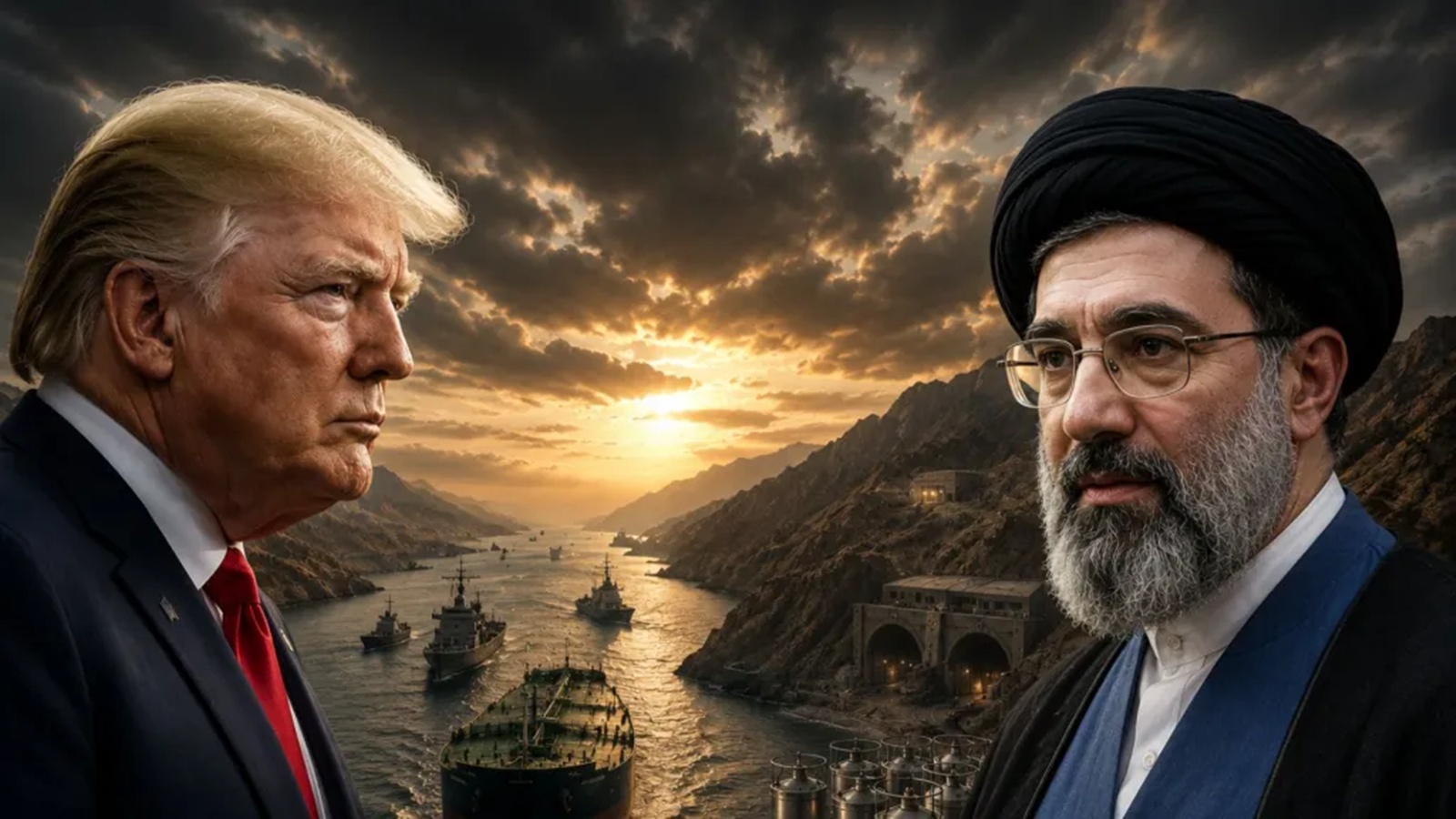
Foreign policy rarely operates in the tidy boundaries of a social media clip or a hastily written broadcast alert. When political figures use coarse language to describe potential military action against Iran, the immediate public reaction focuses on the shock value of the words rather than the structural reality behind them. Yet decades of diplomatic friction, proxy warfare, and economic sanctions reveal a much heavier machinery at work. Understanding US and Iran escalation requires looking past the soundbites to examine how deterrence actually functions in the twenty-first century.
Rhetorical escalation serves a distinct purpose in statecraft. By projecting absolute resolve, leadership aims to deter adversary aggression without stumbling into a full-scale regional conflict that neither economy nor military can easily absorb. When headlines highlight fiery statements, they often miss the calculated theater of international relations. Both Washington and Tehran operate within well-established boundaries of provocation, testing each other's red lines through maritime friction, cyber operations, and regional proxies while carefully avoiding a direct kinetic collision.
The Architecture of Modern Deterrence
Deterrence is not merely about possessing superior firepower. It rests on credibility, communication, and the perceived willingness to bear costs. Over the decades, the United States has maintained a heavy military posture in the Middle East through carrier strike groups, regional airbases, and cooperative security frameworks with Gulf allies.
Iran responds through asymmetric strategies. Rather than meeting conventional military superiority head-on, Tehran has spent decades cultivating a network of aligned militias across Iraq, Syria, Lebanon, and Yemen. This network creates strategic depth. It allows Iran to project power across the region while maintaining a thin layer of deniability during attacks on international shipping or coalition outposts.
When a high-profile threat is issued from Washington, it is designed to disrupt the calculus of this asymmetric web. The core message focuses on raising the costs for Iran's leadership if proxy forces cross specific thresholds. However, decades of precedent suggest that deterrence in this theater is porous. Neither economic pressure nor verbal warnings have historically forced a complete abandonment of Iran's nuclear ambitions or regional positioning.
The Economic Leverage Paradox
Sanctions remain the primary instrument of American statecraft short of direct military engagement. The financial architecture centered around the US dollar gives Washington extraordinary power to isolate economies from global trade.
Yet, economic isolation has created a secondary effect that complicates future strategy. Cut off from Western markets, Iran has deepened trade and security ties with other global actors, most notably through energy agreements and diplomatic channels with eastern powers. This adjustment blunts the long-term efficacy of maximum pressure campaigns.
[ Traditional Sanctions ] ---> [ Iranian Economic Isolation ] ---> [ Diversification of Trade Partners ] ---> [ Reduced Leverage ]
When sanctions are maintained indefinitely without a functional diplomatic off-ramp, the targeted regime adapts. Bureaucracies learn to circumvent trade restrictions through shadow tankers, cryptocurrency networks, and barter systems. Consequently, repeating cycle-after-cycle of economic penalties yields diminishing returns, forcing decision-makers to weigh whether further tightening achieves strategic goals or merely inflicts hardship on a populace without shifting government behavior.
The Miscalculation Risk
The greatest danger in US and Iran relations is not premeditated war, but accidental escalation. When military assets operate in close proximity—such as naval vessels navigating the narrow Strait of Hormuz or aircraft patrolling contested airspace—the margin for error shrinks to seconds.
A local commander making a split-second decision under ambiguous rules of engagement can trigger a chain reaction that politicians on neither side intended to start. Historical precedents, such as the accidental downing of commercial flights or maritime skirmishes in the late twentieth century, demonstrate how quickly routine patrols can transform into geopolitical crises.
Verbal posturing amplifies this danger. When leaders use absolute language, they back themselves into reputational corners. If an incident occurs immediately following a public vow of massive retaliation, domestic political pressure demands a forceful response, regardless of the broader strategic consequences. This dynamic leaves very little room for quiet de-escalation or backchannel diplomacy when a crisis actually erupts.
The Limits of Conventional Solutions
Policymakers frequently treat the situation as a puzzle with a definitive solution, assuming that enough pressure or the right combination of threats will force a permanent settlement. This perspective ignores the foundational domestic imperatives driving leadership in Tehran. For the clerical establishment, anti-Western posture and regional resistance networks are central to their legitimacy narrative. Conceding core security interests under foreign duress is viewed as an existential threat to the regime itself.
At the same time, American foreign policy is perpetually whipsawed by shifting administrations. A strategy constructed over four years can be entirely dismantled or reversed by the next, leaving regional allies and adversaries alike uncertain about long-term commitments. This structural inconsistency undermines sustained deterrence and rewards patience among rivals who simply wait out unfavorable political cycles.
Navigating this terrain requires acknowledging that total victory or unconditional surrender are fantasies belonging to historical fiction. The reality is an indefinite management of friction, where success is measured not by resolving centuries of ideological divergence, but by preventing local sparks from igniting a global fire.