The First Amendment is Not Your Get Out of Jail Free Card
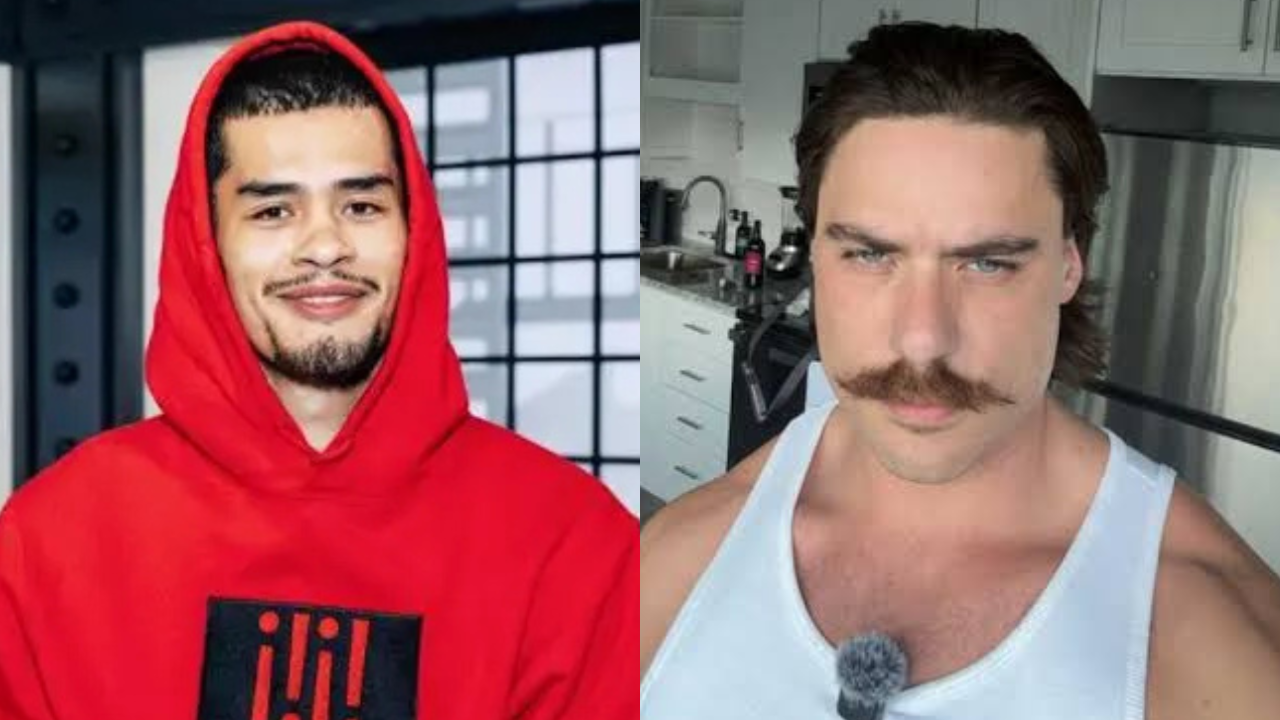
The internet is currently vibrating with the collective outrage of people who don't understand the law. After a recent string of high-profile "cancellations" and legal entanglements involving creators like Sneako and Chud the Builder, the narrative has curdled into a singular, lazy refrain: "Free speech is dead."
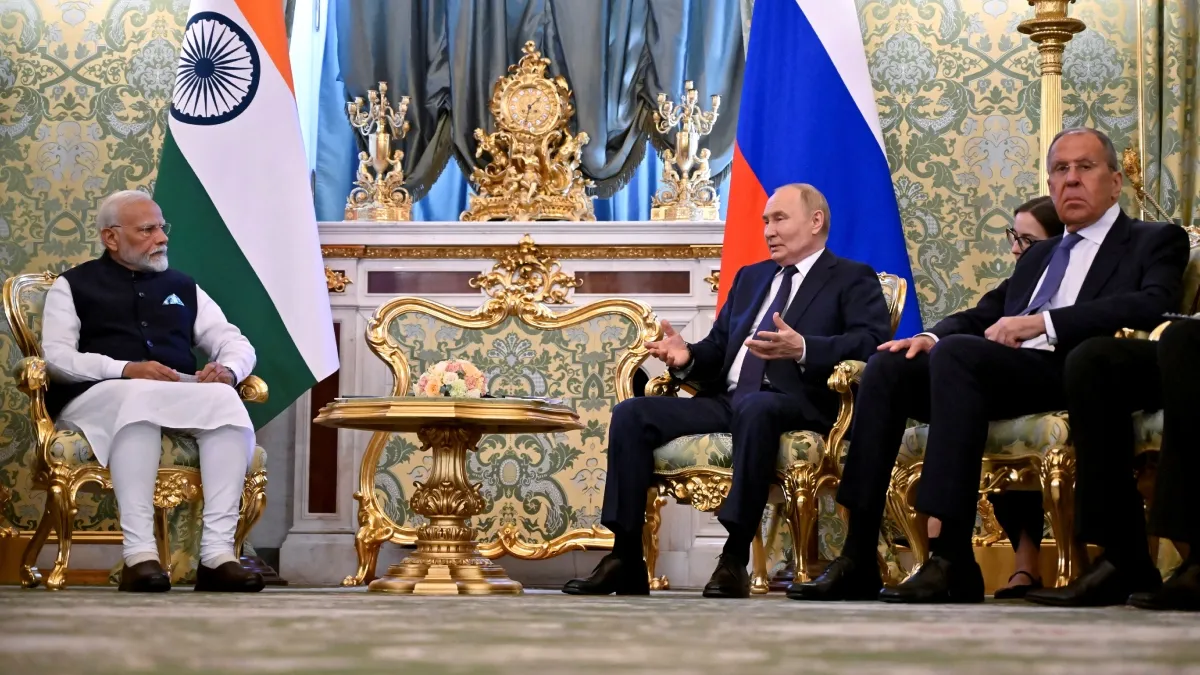
It isn't dead. It just never meant what you thought it meant. You might also find this related story interesting: Why the Modi Lavrov Meeting Matters More Than You Think.
When influencers compare a private platform's moderation or a state-level harassment arrest to a "Charlie Kirk style debate," they are engaging in a category error so massive it borders on clinical. They are conflating the First Amendment—a specific restriction on government censorship—with a cultural vibe where they expect to be immune to the consequences of their own output.
I have spent years watching creators burn their careers to the ground because they mistook "having a platform" for "having a right to that platform." Let’s dismantle the delusion. As highlighted in latest reports by TIME, the implications are significant.
The Tennessee Arrest and the Myth of Total Immunity
The shock surrounding the Tennessee arrest case involving online personalities hinges on a fundamental misunderstanding of the "True Threat" doctrine and harassment statutes.
In the United States, the Supreme Court has spent decades refining the boundaries of protected speech. We are talking about cases like Brandenburg v. Ohio or the more recent Counterman v. Colorado. The legal standard is not "can I say whatever I want?" The standard is whether the speech crosses the line into incitement, defamation, or true threats.
- Incitement: Speech that is intended to and likely to produce "imminent lawless action."
- True Threats: Statements where the speaker means to communicate a serious expression of an intent to commit an act of unlawful violence to a particular individual.
When a creator gets arrested, the crowd screams "censorship." But if you look at the filings, the state isn't prosecuting them for their opinions. They are prosecuting them for conduct that happens to be verbal. If you use your audience of millions to coordinate the digital equivalent of a siege against a private citizen, you aren't a "free speech warrior." You are a liability.
Platforms Are Not Public Squares
Sneako and others often lean into the "Digital Town Square" argument. It’s a compelling metaphor. It’s also legally worthless.
Elon Musk’s X, YouTube, and Twitch are private entities. Period. The Supreme Court’s ruling in Manhattan Community Access Corp. v. Halleck (2019) made this crystal clear: private property owners are not subject to the First Amendment’s constraints just because they open their property to the public.
When a creator complains about being "deplatformed" as a violation of their rights, they are essentially walking into a McDonald’s, screaming at the customers, and then crying "tyranny" when the manager kicks them out.
The nuance that everyone misses is the Terms of Service (ToS). You signed a contract. You traded your right to absolute autonomy for access to an algorithm and a server. If you break the house rules, you lose the house. That’s not a loss of free speech; that’s the enforcement of a private contract. If you want a platform where you can say anything, build your own servers. (Hint: They usually don't, because building a server is hard and complaining is free).
The Logic of the "Chud the Builder" Backlash
The comparison between the Chud the Builder drama and high-level political debates is a tactical move designed to lend intellectual weight to what is essentially a playground spat.
By framing a backlash as an "attack on free speech," these creators successfully pivot from being aggressors to being victims. It is a brilliant marketing strategy, and the audience falls for it every time.
Real free speech—the kind that gets people like Julian Assange or actual whistleblowers in trouble—involves speaking truth to power. Getting into a flame war with another YouTuber and facing a community note or a temporary ban is not an existential threat to Western Democracy. It’s a Tuesday.
Why "Cancel Culture" is Actually Free Speech in Action
Here is the take that usually gets me kicked out of the room: Cancel culture is not the enemy of free speech. It is the pinnacle of free speech.
If an influencer says something odious, and a thousand people use their voices to call that person a moron, that is speech meeting speech. If advertisers decide they don't want their soap commercials running next to a rant about "matrix agents," that is the advertisers' right to free association.
- You have the right to speak.
- The audience has the right to react.
- The platform has the right to host (or not).
The "contrarian" influencers aren't actually fighting for free speech. They are fighting for subsidized speech. They want the benefits of a massive, privately-funded infrastructure without having to adhere to the social or legal norms that keep that infrastructure profitable.
The Fatal Flaw in the "Free Speech" Defense
The most dangerous part of this discourse is that it dilutes the meaning of actual censorship. When we cry wolf over every YouTube strike or Tennessee misdemeanor, we lose the ability to identify when the state actually oversteps its bounds.
Imagine a scenario where a local government uses a vague "disturbing the peace" law to shut down a protest they dislike. That is a First Amendment crisis. Compare that to an influencer getting a cease and desist because they harassed a contractor. One is a threat to the Republic; the other is a legal consequence of being a jerk.
I have watched creators spend six figures on legal fees trying to fight "censorship" only to be told by a judge that they simply didn't read their user agreement. It’s a waste of money, a waste of time, and a waste of the public's emotional energy.
The Actionable Reality for Creators
If you want to survive in the digital age, stop relying on a document written in 1787 to protect your 2026 livestream.
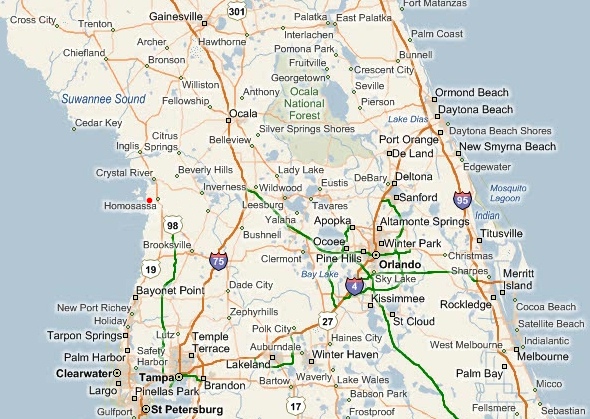
- Understand Jurisdiction: If you are in Tennessee, Florida, or California, the laws regarding harassment and digital communication vary wildly. "I was just joking" is not a legal defense in a harassment suit.
- Diversify Infrastructure: If your entire livelihood depends on one platform's "goodwill," you don't have a business; you have a hobby with a ticking clock.
- Learn the Difference Between Speech and Conduct: The moment your speech encourages others to take physical action against a person, you have exited the "debate" and entered the "courtroom."
The world isn't getting less free. It’s getting less tolerant of people who use "freedom" as a shield for lack of accountability.
Stop asking if you can say it. Start asking what it’s going to cost you when you do. Because in the real world, the bill always comes due.