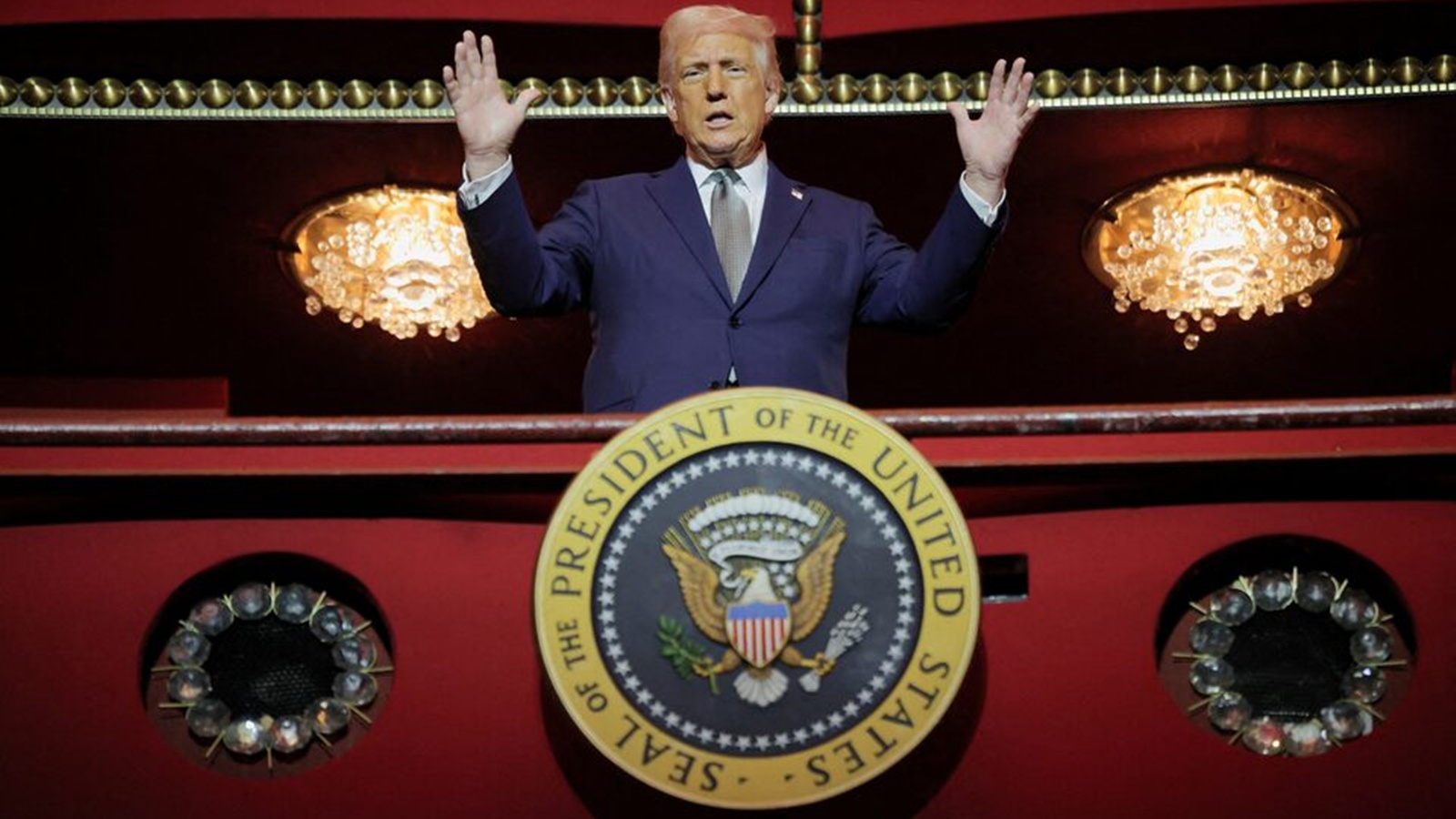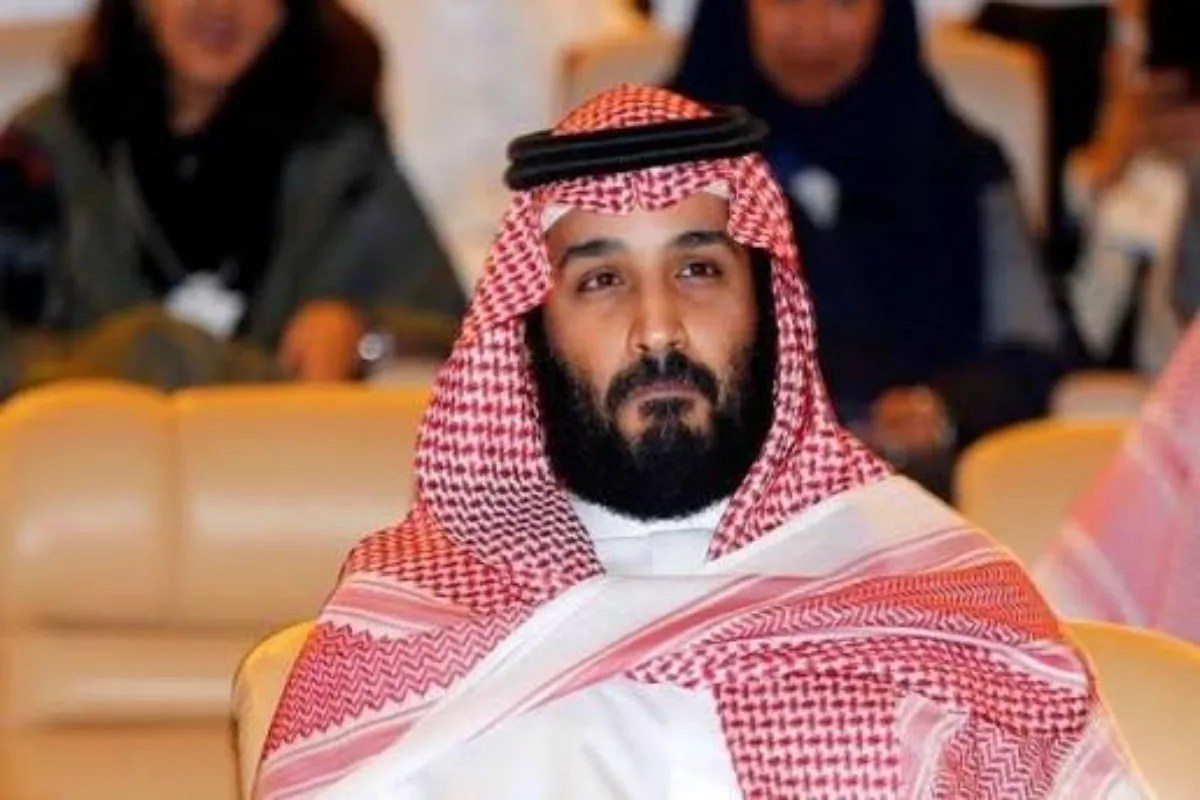
Geopolitics rarely stays neat when it reaches the holy doorstep. When a drone gets intercepted just south of Islam's holiest sanctuary, the political rulebook of the Middle East gets rewritten overnight. For Saudi Crown Prince Mohammed bin Salman, often known as MBS, the escalating friction between Washington and Tehran isn't just a distant geopolitical squabble. It's hitting home.
You can't talk about modern Saudi strategy without looking at the massive economic gamble of Vision 2030. MBS wants to turn the kingdom into a global tourism, tech, and financial powerhouse. Tourists don't book flights to a war zone. Investors don't park billions in economies vulnerable to ballistic missiles and drone strikes. When the Houthi movement—backed firmly by Iran—begins pressing past traditional containment lines, every single blueprint for economic transformation faces an existential stress test.
When Sacred Ground Becomes a Battlefield
Protecting the Two Holy Mosques in Mecca and Medina is the ultimate source of legitimacy for the Saudi ruling family. It's non-negotiable. When Saudi authorities reported intercepting a Houthi-deployed drone near Mecca, Riyadh immediately drew a hard line in the sand. They declared the security of Mecca an absolute red line that, if crossed again, would trigger severe military retaliation.
Houthi spokespersons quickly dismissed these claims as a fabrication, but the domestic and international fallout moved too fast for denials to matter. A strike or even a close miss near the Kaaba carries emotional and religious consequences that no amount of advanced missile defense can easily contain. For MBS, this creates a terrifying diplomatic trap. If he hits back too hard, he risks igniting a full-scale regional conflagration that could draw in direct Iranian retaliation. If he doesn't hit back hard enough, he looks weak to domestic hardliners and vulnerable to regional adversaries.
Look at how external allies responded. Agreements like the much-discussed regional security frameworks faced an immediate credibility test when the threat materialized. Governments like Pakistan offered diplomatic statements of solidarity rather than rushing troops into frontline combat against the Houthis. Pakistan's leadership condemned threats to the holy sites while carefully avoiding explicit military entanglement. That gap between diplomatic rhetoric and actual battlefield deployment laid bare the lonely reality of Saudi defense policy. MBS cannot rely on paper alliances when the missiles start flying.
The Choke Point at the Gate of Tears
To understand why this conflict is slipping out of control, you have to look south toward the Bab al-Mandeb strait—often called the Gate of Tears. This narrow waterway connects the Red Sea to the Gulf of Aden, acting as a vital artery for global commerce and energy shipments.
Houthi forces have systematically expanded their grip along Yemen's coastline, seizing key positions around Mokha, Dhabab, and strategic islands that divide the shipping lanes. By controlling these maritime chokepoints, they hold immense leverage over international trade. For Saudi Arabia, the geography is brutally unforgiving:
- To the east, the Strait of Hormuz remains heavily militarized and hazardous due to direct Iranian posturing.
- Across the kingdom's interior, the vital East-West Pipeline historically offered a reliable detour to move crude oil toward Red Sea ports.
- To the southwest, Houthi territorial gains now directly threaten those very export routes heading toward Asian markets.
When recent security breaches forced temporary shutdowns of critical pipeline infrastructure, global energy markets panicked. Reports indicated that vital transit lines could face prolonged disruptions, compounding the economic pressure. MBS designed his entire governance model around stable oil revenues funding domestic modernization. If Tehran and its regional proxies can squeeze the Red Sea at will, that revenue stream faces constant ransom.
The High Stakes of MBS’s Foreign Policy Trap
Back in 2015, a younger, more bullish MBS spearheaded the Saudi military intervention in Yemen to crush the Houthi movement swiftly. Years of grinding warfare proved that military dominance in Yemen's rugged terrain is nearly impossible to achieve through air power alone. Recognizing the stalemate, Riyadh spent years trying to disengage, culminating in tentative truces and diplomatic talks that brought a fragile calm.
That hard-fought calm is now completely shattered. The current regional escalation drags Saudi Arabia right back into the quagmire it spent years trying to exit. Compounding the issue, Washington's posture has grown increasingly complicated. Even as the United States deploys military advisors and specialized personnel to assist Saudi defense operations, political shifts in Washington leave Riyadh wondering how far American security guarantees actually stretch.
When global superpowers hesitate, regional middle powers are forced to make dangerous individual calculations. Iran understands this dynamic perfectly. By empowering proxy networks across Yemen, Lebanon, and Iraq, Tehran maintains plausible deniability while keeping its primary regional rivals—Saudi Arabia and Israel—constantly off balance. MBS is caught in the middle of a superpower chess match where every misstep risks devastating infrastructure, tourism, and investor confidence.
Navigating this crisis requires an impossible balancing act. The crown prince must find a way to deter attacks on Mecca and keep the Red Sea open without getting sucked back into a multi-front attrition war that drains the kingdom's treasury. If diplomacy fails and deterrence crumbles, the modernization dreams of modern Saudi Arabia could easily become collateral damage in an endless proxy conflict.
The kingdom must urgently diversify its security architecture, modernize its intelligence-sharing networks with regional partners, and push for hard-nosed diplomatic containment before the next maritime choke or border violation turns a regional crisis into an uncontainable fire.