Water has a long memory. For more than a century, the Klamath River carried the weight of concrete. Four massive walls of steel and stone sliced through the throat of the Pacific Northwest, turning a rushing, living highway of silver and scale into a staircase of stagnant, warm reservoirs. If you stood on the banks during those quiet, heavy decades, you could feel the absence. The pulse of the valley had slowed to a crawl.
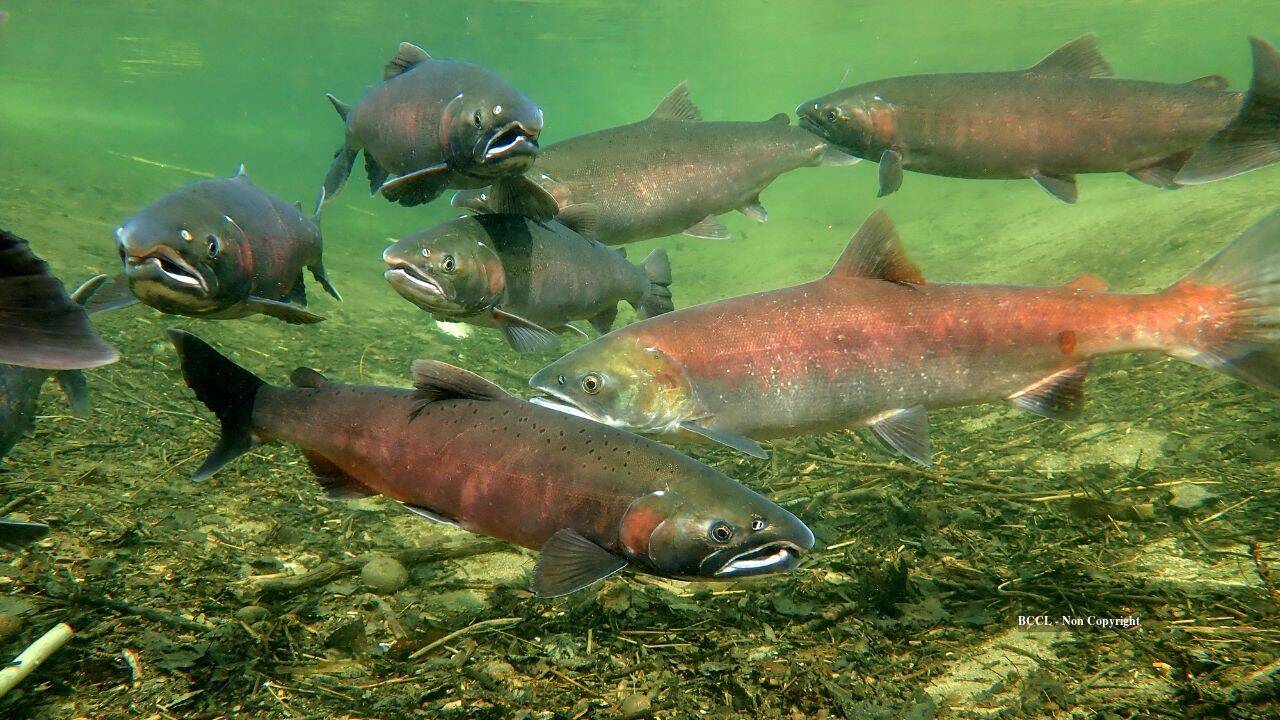
Think of a migration that spans hundreds of miles. Not a road trip with a GPS, but an ancient, biological imperative carved into the DNA of chinook and coho salmon. They are born in the cold, gravel-strewn upper reaches of the river, swim hundreds of miles out to the vast, punishing Pacific, and then—years later—find their exact way back home to spawn and die. It is an act of total devotion.
Then imagine hitting a brick wall halfway across the country. Four times.
For generations, local tribes like the Yurok and Karuk watched their lifeblood dry up. To them, the salmon were never just a resource or a commercial asset. They were relatives. They were kin. When the fish disappeared behind the Iron Gate and Copco dams, thick green mats of toxic algae bloomed in the summer sun, choking the water of oxygen. Rotting fish washed up on the shores. The smell of decay hung in the air like a permanent warning.
We tried to engineer our way out of the problem. Fish hatcheries were built as expensive band-aids. Concrete ladders were installed, hoping the salmon would figure out how to climb a man-made waterfall. None of it worked. The ecosystem was bleeding out slowly, and most of the world outside the valley didn't even notice. Concrete is quiet when it kills.
Change rarely arrives with a neat, polite knock on the door. More often, it arrives with dynamite, heavy machinery, and decades of exhausting legal warfare.
When the decision finally came to tear down the dams, it was the largest dam-removal project in American history. Picture four colossal barriers being systematically dismantled, letting millions of cubic yards of accumulated sediment wash downstream in a massive, muddy surge. To the casual observer standing on a bridge in 2024, it looked like ecological destruction. The water turned the color of chocolate milk. The banks were raw and scarred.
Skepticism was loud. Critics pointed to the mud and predicted a total catastrophe. They warned that the river would choke itself to death.
They forgot about the resilience of wild water.
Within months of the final barrier falling, something extraordinary happened. The Klamath did not die; it woke up. The mud flushed out to sea, revealing clean, ancient gravel beds that had been buried and suffocated under muck for over a hundred years.
Consider what happens when a caged animal is finally let out into an open field. It doesn't walk; it runs.
Almost immediately, salmon did what they had not been able to do since the roaring twenties. They swam past the old dam sites. They bypassed the silent concrete ghosts and pushed deep into the upper watershed. Biologists tracking the river with acoustic tags and underwater cameras watched in stunned disbelief as chinook salmon reclaimed hundreds of miles of historic habitat in a single season.
Today, the numbers tell a staggering story. Klamath River salmon have reclaimed roughly eighty-eight percent of their historic range. That is not just a statistic on a government spreadsheet. That is an ancient homecoming. It means fish are returning to spawning grounds that their great-great-grandparents never knew existed, guided entirely by an invisible, unbreakable thread of instinct encoded in their flesh.
Yet the true measure of this victory isn't found in a percentage. It is found in the eyes of an elder standing on the riverbank, watching a flash of silver break the surface of water that finally flows free. It is found in the return of bald eagles and ospreys circling overhead, tracking a food source they thought was gone forever.
We spent a hundred years trying to bend nature to our blueprints, believing that progress meant putting a lock on the wilderness. We were wrong. True progress was stepping aside and letting the water remember how to run.
The concrete is gone now. The river is healing itself, foot by muddy, beautiful foot. And somewhere out in the deep blue of the Pacific, a new generation of silver swimmers is turning toward home, following a path that is finally open once again.