The air smells of wet slate, woodsmoke, and a copper tang that locals recognize instantly. It is the smell of the mountain tearing open.
When you live in the shadow of the Himalayas, you learn to read the water before you look at the sky. A clear stream can turn into a churning wall of mud and shattered pines in the space of a heartbeat. You do not hear it coming until the ground beneath your boots begins to hum, a low, tectonic thrum that rattles the teeth. Don't forget to check out our earlier post on this related article.
Right now, that hum is back.
Nepal has issued a fresh flood warning. The water level is rising again at the exact site of a deadly flash flood that already carved a scar into the memory of this valley. For anyone who has stood on these banks and watched a lifetime of labor vanish downstream in thirty seconds, the alert is not just a weather report. It is a ghost returning. If you want more about the background of this, USA Today provides an informative summary.
Consider what happens in a mountain community when the river begins to swell.
(Note: The following character is a hypothetical composite based on recurring patterns documented by local disaster management authorities during seasonal monsoon surges.)
Imagine Ramesh sitting on the porch of his teahouse, three hundred meters from the riverbed. He is sixty-two. His hands are calloused from decades of hauling sacks of rice and boiling tea for trekkers. He knows every boulder in that river. Or at least, he used to.
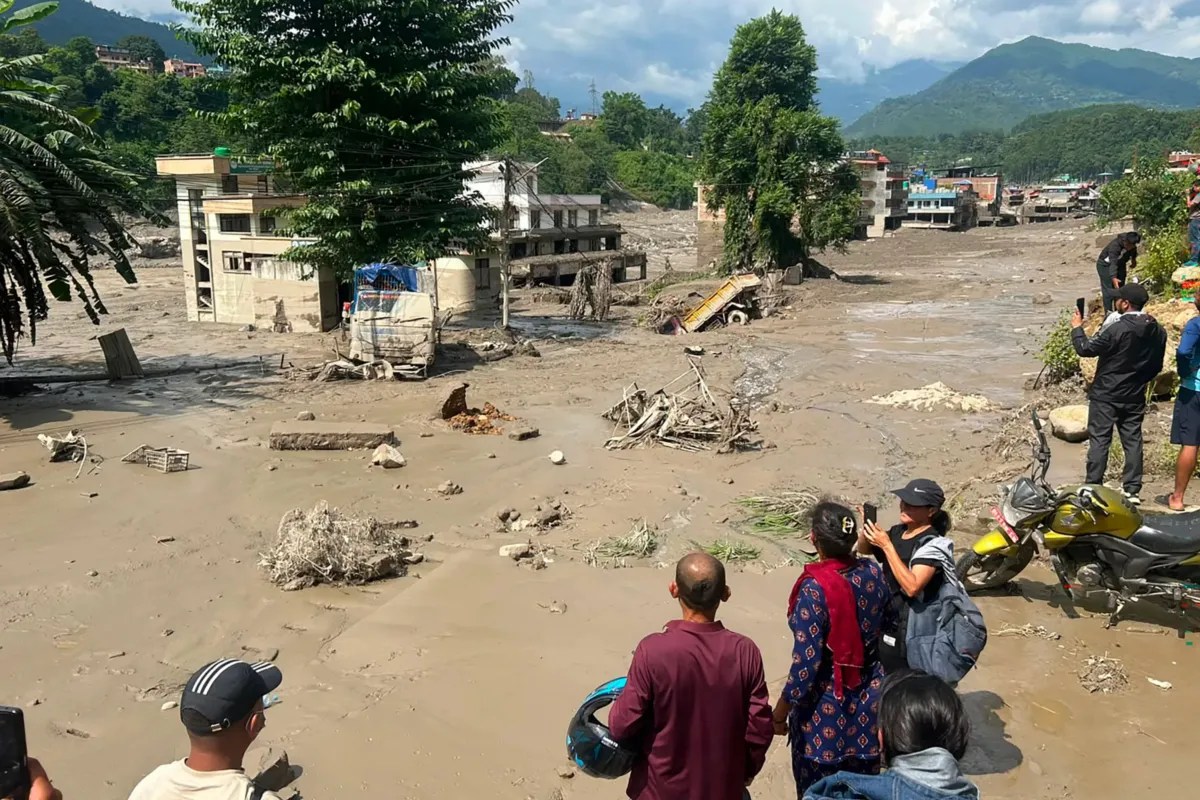
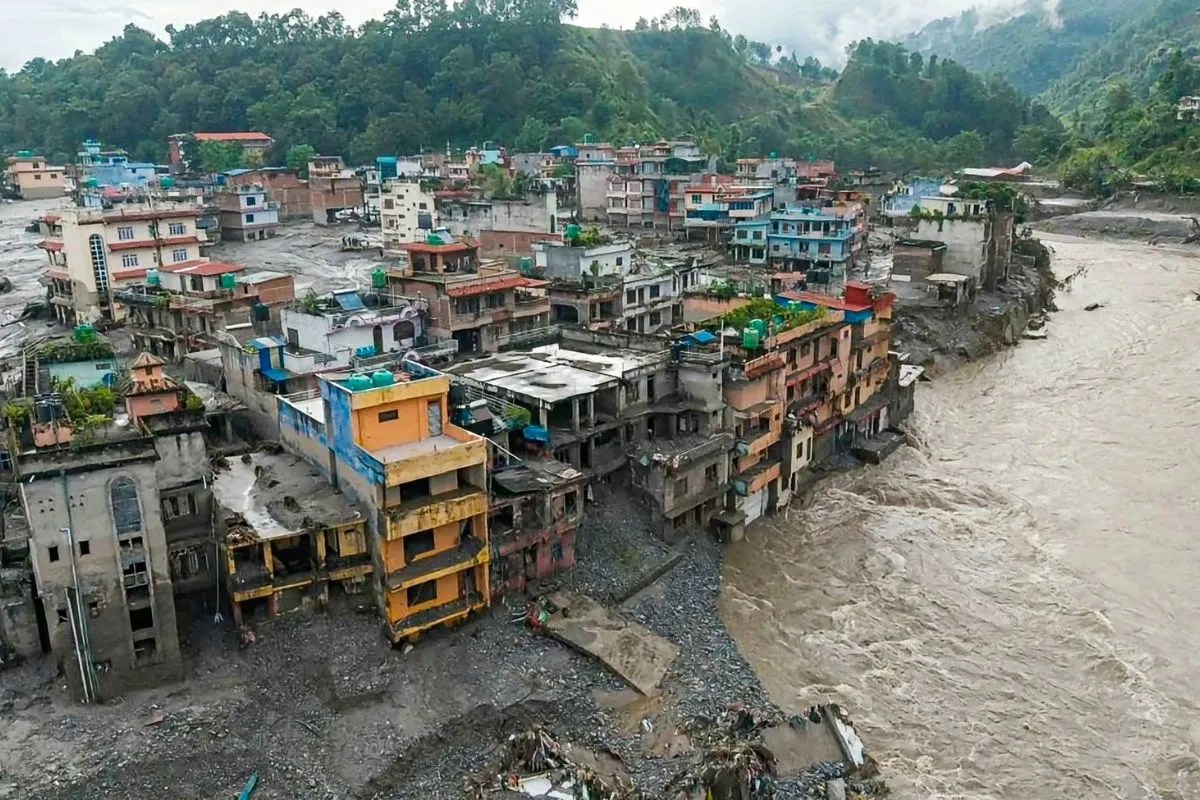
Last year, a sudden cloudburst upstream unleashed a wall of water that swallowed the lower embankment. It didn't just flood; it erased. It took concrete foundations, livestock, and neighbors who had lived there since their grandparents were children. The river channel shifted overnight, carving a new, brutal path through the valley floor.
Now, the gauges are ticking upward again. The monsoon is not finished with them.
When official warnings flash across local radio stations and mobile phones, they speak in dry metrics: centimeters above danger mark, precipitation rates, cubic meters per second. But on the ground, the metrics translate into a single, terrifying question. Do we run now, or do we wait?
Waiting is a dangerous luxury. The human brain is wired for normalcy bias. We convince ourselves that the worst has already happened, that lightning doesn't strike the same gorge twice, that the concrete wall we built last winter will hold. Statistically, disaster zones are populated by people who hesitated for just five minutes too long, trying to save a television set or a bag of seed grain.
Meteorologists and hydrologists tracking the current surge point to saturated soil conditions. The earth can no longer drink the rain. Every drop that falls on the high ridges now runs straight down the granite faces into the tributaries, turning mountain streams into high-speed freight trains of debris.
That is the hidden mechanic of flash flooding. It is not merely about how much rain falls; it is about the suddenness of the funnel. The mountains act as an amphitheater, collecting water from a massive surface area and dumping it into narrow gorges where the water level can spike by several meters in minutes.
Ramesh packs a small canvas bag. Inside are his citizenship papers, a photograph of his late wife, and a woolen blanket. He does this not because he panics easily, but because he has learned the hard way that rivers do not negotiate.
The sirens begin to wail down the valley.
They are sharp, metallic cries echoing off the steep stone walls. In the cities, a siren might mean a traffic diversion or a drill. Here, it is the sound of time running out.
Local authorities have mobilized emergency response teams along the vulnerable corridors, urging residents to move to higher ground immediately. Police whistles pierce the rising mist. Volunteers knock on doors, checking on the elderly, leaving no room for stubborn optimism.
Yet, as the muddy brown water laps over the edges of the lower bridge, a strange quiet settles over the village. It is the quiet of collective anticipation. Everyone is watching the same gray line where the river meets the bank, waiting to see if it will break or hold.
This is the reality of living on the edge of climate volatility. The rhythms that families have relied on for generations—the predictable pulse of the monsoon, the seasonal planting, the annual swelling and shrinking of the waterways—have grown erratic. The old markers are gone. The high-water marks of fifty years ago are being rewritten by storms that defy historical models.
We look at disasters through the lens of news tickers and satellite maps, marveling at the scale of the devastation from thousands of miles away. We talk about infrastructure deficits and early warning systems as abstract policy goals.
But down here, the stakes are measured in heartbeats.
The sun is dipping behind the jagged western ridge, casting a bruised purple light over the churning torrent. The water is still rising. Ramesh steps away from his porch, locking the wooden door behind him, and begins the long, steady climb up the stone stairs toward the monastery on the hill.
He does not look back at the shop. He knows the river will take what it wants. All he can do is make sure it does not take him.
High above the valley, the rain continues to fall, drumming a relentless, heavy rhythm against the slate roofs, a reminder of the ancient, unyielding power that flows just beneath our feet.