Forget gleaming silver cups, medals, or heavy cash prizes. In the heart of rural Jharkhand, local footballers run themselves into the dirt for something far more practical: a healthy, bleating goat.
It sounds like a novelty headline designed for social media clicks, but goat tournaments are serious business across districts like Khunti, Ranchi, and West Singhbhum. Hundreds of teams pay entry fees, train for weeks, and battle through brutal knockout fixtures on muddy patches of land just to secure meat for a village feast. Discover more on a connected topic: this related article.
If you look closely at grassroots sports across India, this isn't an anomaly. It's survival, tradition, and brilliant hyper-local organizing rolled into one.
The Economy Behind the Goat Trophy
Most sports tournaments lose money or rely on corporate sponsors to hand out plastic trinkets. Jharkhand’s village committees flipped that script decades ago. Additional journalism by NBC Sports highlights comparable views on the subject.
Organizers pool entry fees from 32 or 64 participating side teams—often charging anywhere from a few hundred to a couple of thousand rupees per team. They take that capital straight to the local livestock market. The champions get a large male goat. The runners-up might get a smaller goat, a pair of chickens, or a turkey. Third place often takes home a couple of ducks.
It works because a trophy sits on a shelf collecting dust in a village where basic resources are tight. A goat, on the other hand, feeds an entire hamlet.
When a team wins, they don't just take a photo and go home. The victory triggers a community celebration. The prize animal is slaughtered, cooked into a massive curry, and shared among players, families, and neighbors. The trophy becomes a shared experience, not a piece of cheap metal.
Raw Talent on Muddy Pitches
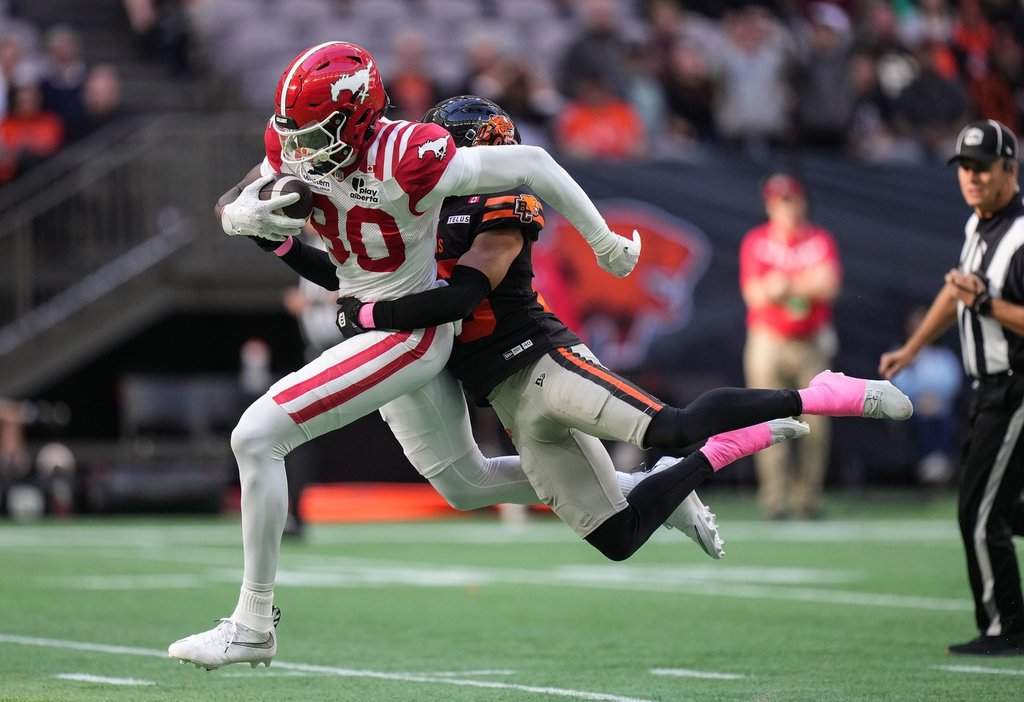
The football played in these tournaments isn't soft. Players show up in worn-out boots, mismatched jerseys, or completely barefoot. Pitches are rarely flat, often lack marked lines, and turn into treacherous mud pits during the monsoon season.
Yet, the technical skill on display is astonishingly sharp.
Local Santhal and Munda tribal youths grow up playing barefoot on uneven ground, which gives them exceptional balance, quick reflexes, and relentless stamina. Indian national team scouts have occasionally drifted through these regional pockets, aware that eastern India's tribal belt produces some of the country's most naturally gifted athletes. Former Indian national team captains like Bhaichung Bhutia and present-day stars have long acknowledged the deep, untapped passion for football in tribal regions.
The problem? Most of these players never get seen outside their district. The goat tournament is their Champions League.
Community Pride Beats Corporate Sponsorship
You won't find neon billboards, digital ad boards, or corporate logos at these matches. What you will find are thousands of spectators standing four-deep around a field, cheering furiously for their village side.
Local committees manage everything:
- Setting rules and match timing (often shortened 20-minute halves to squeeze dozens of games into a single weekend).
- Hiring local referees who must manage intense rivalries with absolute authority.
- Handling security, crowd control, and pitch maintenance without outside help.
There is a pure, uncorrupted energy here that professional leagues with million-dollar broadcast deals spend years trying to fake. The stakes feel real because the prize is tangible and immediate. Winning brings absolute local bragging rights for an entire year.
How to Experience or Organize Local Grassroots Tournaments
If you're a sports organizer, scout, or just someone looking to support local athletic communities, sitting back and admiring these grassroots events isn't enough. You can actively engage with or replicate the success of localized sports models.
First, scout local talent directly at the source. If you run a regional club or academy, stop relying solely on urban trial camps. Send talent scouts to rural district competitions in eastern India during the monsoon and post-monsoon months when tournament season hits its peak.
Second, re-evaluate how sports incentives work in your own local leagues. If you organize community matches, dump useless plastic trophies. Offer prizes that actually matter to the participants—whether that means high-grade athletic equipment, local agricultural goods, or sponsored training certifications.
Finally, build sustainable funding models. The goat tournament model proves that grassroot sports don't need external corporate handouts to survive. By using structured, low-cost entry pools to purchase high-value local rewards, sports events can run indefinitely while keeping the entire community invested in the outcome.