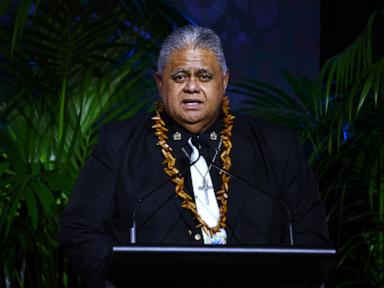
In October 2026, Samoa Prime Minister Laauli Leuatea Schmidt apologized after a video from 2007 surfaced showing him making a Nazi salute and saying "Heil Hitler". He said the clip doesn't reflect his beliefs, rejected extremism, and moved on.
That's not enough.
Honestly, the real story here isn't just an ugly clip from nineteen years ago. It's how a sitting leader handles a resurfaced archive when his own government is already fighting with the press. When a politician holds a microphone at a family gathering, lifts an arm, and tells people to raise their right hand and say "Heil Hitler," you don't fix it with a quick press release and a pivot to the economy.
What Actually Happened in the 2007 Video
Let's strip away the spin first. The footage comes from 2007, when Schmidt was deputy speaker of Samoa's Parliament. A family member noted he was hosting the gathering. In a screenshot published by the Samoa Observer, Schmidt holds a microphone in one hand with his other arm raised, surrounded by people doing the same thing. According to the Observer's reporting, he spoke into the mic: "Raise your right hand, Heil Hitler!"
What happened right before or after that moment isn't public. Schmidt's statement didn't walk through the context. Instead, he issued a blanket rejection of Nazism, antisemitism, racism, and political extremism, said the matter was addressed, and turned back to Samoa's economic and social challenges.
Look closely at what's missing there. No explanation of why a sitting deputy speaker thought that phrase belonged at a family party. No accountability for the people standing next to him who copied the gesture. Just a tidy box shut fast.
Why the Samoa Prime Minister Apology Feels Half-Baked
Most political apology playbooks follow a predictable script. Acknowledge the clip. State that it doesn't represent who you are today. Promise to focus on governing.
In Samoa's case, that script collides with a bigger contradiction. When Schmidt took office in September 2025, his swearing-in ceremony included a Jewish prayer shawl and the blowing of a shofar. Afterward, he told reporters that Samoa wouldn't back away from supporting Israel as the land of God's people, adding that the country believes in the God of Israel.
You can hold strong religious or diplomatic views toward Israel and still step on a massive rake when a 2007 "Heil Hitler" clip hits the internet. Yet Schmidt didn't connect those dots or explain the gap between his 2007 behavior and his public posture in 2025. Treating a Nazi salute like a minor speed bump just tells critics you want the news cycle to die, not that you actually grappled with why the symbol is toxic.
The Press Ban Angle Nobody Should Ignore
The Samoa Observer broke the story. That detail matters because Schmidt's government had already barred the newspaper from covering government news conferences and events.
Think about how messy that looks from the outside. A leader gets hit with an embarrassing archive video from a paper his administration froze out. Pacific media groups and the Journalists Association of Samoa were already pushing back against the ban and a separate photo-deletion controversy. Calling the Observer's coverage misleading and locking reporters out doesn't make old videos disappear—it just makes every revelation look like something officials tried to keep buried.
I've watched plenty of public relations teams try to starve a hostile outlet of access. It almost always backfires. Reporters who are shut out of press briefings start digging into archives, old local footage, and forgotten recordings. Once a video like that surfaces, banning the messenger looks defensive rather than principled.
What People Usually Ask About This Controversy
Why did a 2007 clip show up in 2026? Old family and community recordings sit in drawers, hard drives, and local archives for years until someone digs them up or shares them. Nineteen years is a long time in politics, especially in a country of roughly 221,000 people where public figures and local families cross paths constantly.
Does a 2007 joke mean a leader holds Nazi ideology today? Not automatically. Plenty of people make crude, tasteless, or historically illiterate remarks in private settings without organizing around fascism. Still, pretending a "Heil Hitler" chant on a microphone is harmless banter ignores what the phrase represents.
Why does Samoa's stance on Israel come up in coverage? Because Schmidt made public religious and diplomatic statements about Israel during his September 2025 swearing-in, creating a sharp contrast with the 2007 video. Readers naturally ask how a leader square-dancing around Jewish symbolism in 2025 ended up shouting "Heil Hitler" in 2007.
How Leaders Should Actually Handle Resurfaced Clips
If you run communications for a public official—or you're a leader facing an old recording—don't treat a resurfaced video like a normal policy dispute. Short, robotic statements invite more scrutiny.
- Say the specific mistake out loud. Generic lines about rejecting extremism sound like boilerplate written by a lawyer. Name what you said, why it was wrong, and who it offends.
- Stop dodging the surrounding context. If clips are missing before or after a frame, say what happened or admit you don't have the full tape. Silence lets people fill in the worst blanks.
- Separate press access from personal embarrassment. Keeping a newspaper out of briefings while a scandal brews turns a story about a bad video into a story about press freedom.
- Expect the second wave. Once one 2007 clip surfaces, more footage or witness accounts often follow. Plan for follow-up questions instead of declaring the issue closed on day one.
Schmidt's apology checked the minimum box for a news cycle. Whether it settles the argument in Apia and across the Pacific depends on whether he actually opens the door to scrutiny—or keeps the cameras locked outside.