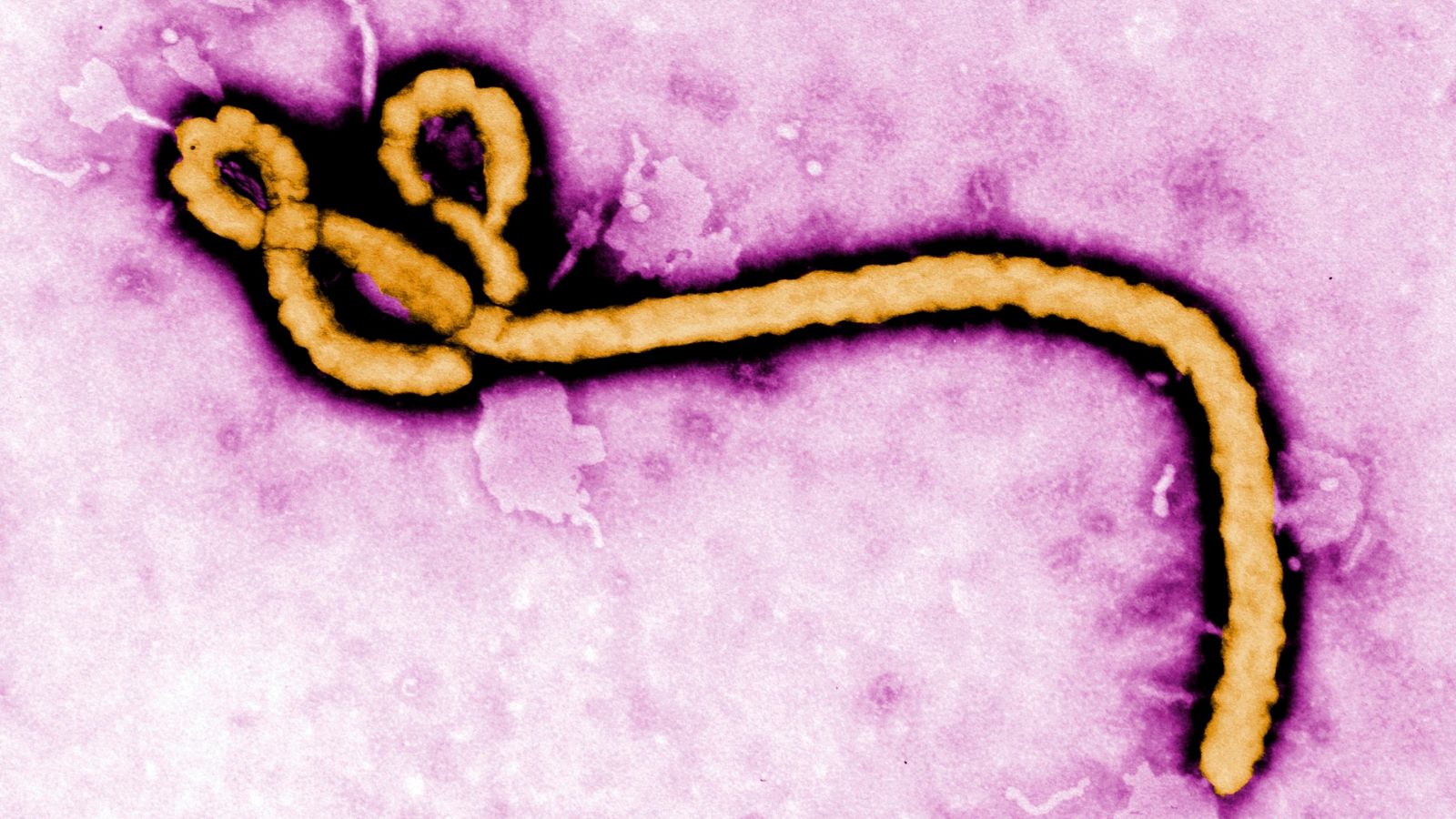
The race to contain Ebola is stalled by a market failure that money alone cannot fix. While headlines celebrate every newly approved vaccine, the reality on the ground in Central and West Africa remains precarious. Outbreaks are not just biological emergencies; they are logistical and financial bottlenecks. The current medical pipeline prioritizes reactive intervention over permanent readiness. This approach leaves vulnerable populations exposed whenever a new strain emerges or an old one mutates. True biosecurity requires shifting from panicked, post-outbreak scrambles to a continuous, state-funded manufacturing model that treats life-saving counter-measures as public infrastructure rather than commercial commodities.
The Illusion of Preparedness
Global health organizations routinely congratulate themselves after a crisis subsides. They point to the successful deployment of the Ervebo vaccine during recent outbreaks in the Democratic Republic of Congo as proof that the system works. This narrative is dangerous. It masks a fragile supply chain reliant on a handful of facilities and erratic international funding.
The commercial pharmaceutical model is fundamentally unsuited for rare, sporadic pathogens. Drug companies exist to generate predictable returns for shareholders. A disease that disappears for years at a time offers no steady market. Consequently, when an outbreak hits, the world relies on emergency funds and rushed clinical trials.
This reactive posture creates a devastating lag time. By the time a vaccine candidate is cleared for field use, shipped across the globe, and distributed through dense rainforests with minimal infrastructure, hundreds of people have already died. The virus moves faster than the bureaucracy.
The Cold Chain Nightmare
Deploying highly sensitive biological products into remote regions presents an immense logistical hurdle. Many Ebola vaccines require ultra-cold storage, sometimes as low as minus eighty degrees Celsius.
Consider the mechanics of maintaining these temperatures in a tropical climate without a reliable power grid.
- Generators fail.
- Fuel supplies run dry.
- Roads wash away during rainy seasons.
When a link in this cold chain breaks, the vaccines degrade and become useless. The financial loss is significant, but the human cost is immeasurable. Communities lose faith in medical interventions when promised cures arrive spoiled or too late.
The Forgotten Strains
Public attention centers on the Zaire ebolavirus strain because it has caused the most high-profile devastation. It is the strain for which we have viable, approved countermeasures. But Ebola is not a monolith.
There are six distinct species of the virus. The Sudan strain, for instance, caused a major outbreak in Uganda in late 2022. The existing Zaire vaccines offered zero protection against it. Scientists had to scramble to assemble clinical trial doses for candidate vaccines specifically targeting the Sudan variant.
This piecemeal strategy ensures we are always fighting the last war. A comprehensive defense strategy requires multivalent vaccines that protect against all known pathogenic strains simultaneously. The science exists to develop these broad-spectrum tools. What is missing is the sustained capital necessary to push them through human trials and scale production before an emergency occurs.
The Geopolitics of Bio-Defense
Western nations treat Ebola as an exotic threat, a distant tragedy that occasionally threatens to cross their borders via international air travel. This perspective distorts funding priorities. Millions of dollars flow into bio-defense contracts designed to protect domestic populations from hypothetical bioterrorism acts, while pennies are scraped together to fight active, naturally occurring outbreaks at their source.
This isolationist approach is short-sighted. In a deeply interconnected global economy, an uncontained outbreak anywhere is a threat everywhere. The physical isolation of remote villages provides only temporary protection.
Furthermore, the extraction of natural resources in Central Africa brings human populations into closer, more frequent contact with wildlife reservoirs. Logging, mining, and agricultural expansion drive deep into pristine habitats. This interface is where spillover events happen. As these industries expand, the frequency of contact increases, escalating the probability of major outbreaks.
[Forest Clearing / Industrial Expansion]
       │
       ▼
[Increased Human-Wildlife Contact]
       │
       ▼
[Viral Spillover Event]
       │
       ▼
[Local Outbreak in Remote Communities]
       │
       ▼
[Logistical Lag in Supplying Countermeasures]
       │
       ▼
[Regional Epidemic Risk]
Moving Beyond Charitable Capital
The current funding ecosystem relies heavily on philanthropic donations and temporary government grants. Organizations like Gavi, the Vaccine Alliance, perform vital work, but they operate within the constraints of donor generosity. This creates an unpredictable environment where long-term planning is impossible.
Manufacturing biological therapeutics requires specialized facilities. These plants cannot be turned on and off like a light switch. When an outbreak wanes, production lines are often repurposed for more lucrative medicines, destroying the specialized institutional knowledge and physical infrastructure needed for the next crisis.
The Public Option for Manufacturing
The solution lies in decoupling drug development and manufacturing from the profit motive entirely. Governments and international coalitions must fund dedicated, state-owned or non-profit manufacturing facilities whose sole mandate is the production and stockpiling of critical security medicines.
These facilities would operate continuously. During periods between outbreaks, they would produce doses for global strategic reserves, conduct ongoing stability testing, and refine delivery mechanisms to eliminate the need for ultra-cold storage. This infrastructure should be viewed similarly to a standing military or a municipal fire department. We do not expect fire stations to turn a profit; we fund them because the cost of not having them when a fire breaks out is catastrophic.
The Community Trust Deficit
Even the most advanced medicine is useless if people refuse to take it. Decades of exploitation, conflict, and broken promises have left many communities deeply suspicious of both foreign medical interventions and their own central governments.
During outbreaks, armed escorts frequently accompany medical teams. This militarized response can alienate the very people it aims to protect. Rumors spread quickly in environments starved of accurate information, leading some individuals to flee isolation centers or hide symptomatic relatives.
Integrating Local Knowledge
Effective intervention requires shifting power and resources to local healthcare workers who already possess the trust of their communities. These individuals understand the cultural nuances, ancestral burial practices, and communication channels necessary to implement effective infection control.
International experts should provide support, equipment, and funding without dominating the narrative. When local leaders drive the response, compliance with quarantine protocols and vaccination campaigns rises dramatically. True security is built from the ground up, not dropped from a cargo plane.
Changing the Financial Calculus
The global community has proven it can mobilize billions of dollars in days when a threat hits financial centers. The economic fallout from a prolonged, uncontained epidemic far outweighs the cost of maintaining a permanent, active defense infrastructure.
We must abandon the fiction that market forces will solve public health crises in developing regions. The pursuit of profit has left us exposed to predictable, preventable disasters. Only a sustained, public commitment to universal bio-defense can break this cycle of panic and neglect.