Systemic failures in the criminal justice system often allow violent offenders back onto the streets with catastrophic results. When someone takes a life, serves a reduced sentence, and goes on to kill again, the public is left questioning how accountability failed so completely. This exact nightmare materialized recently in California, exposing deep flaws in how repeat violent offenders are handled.
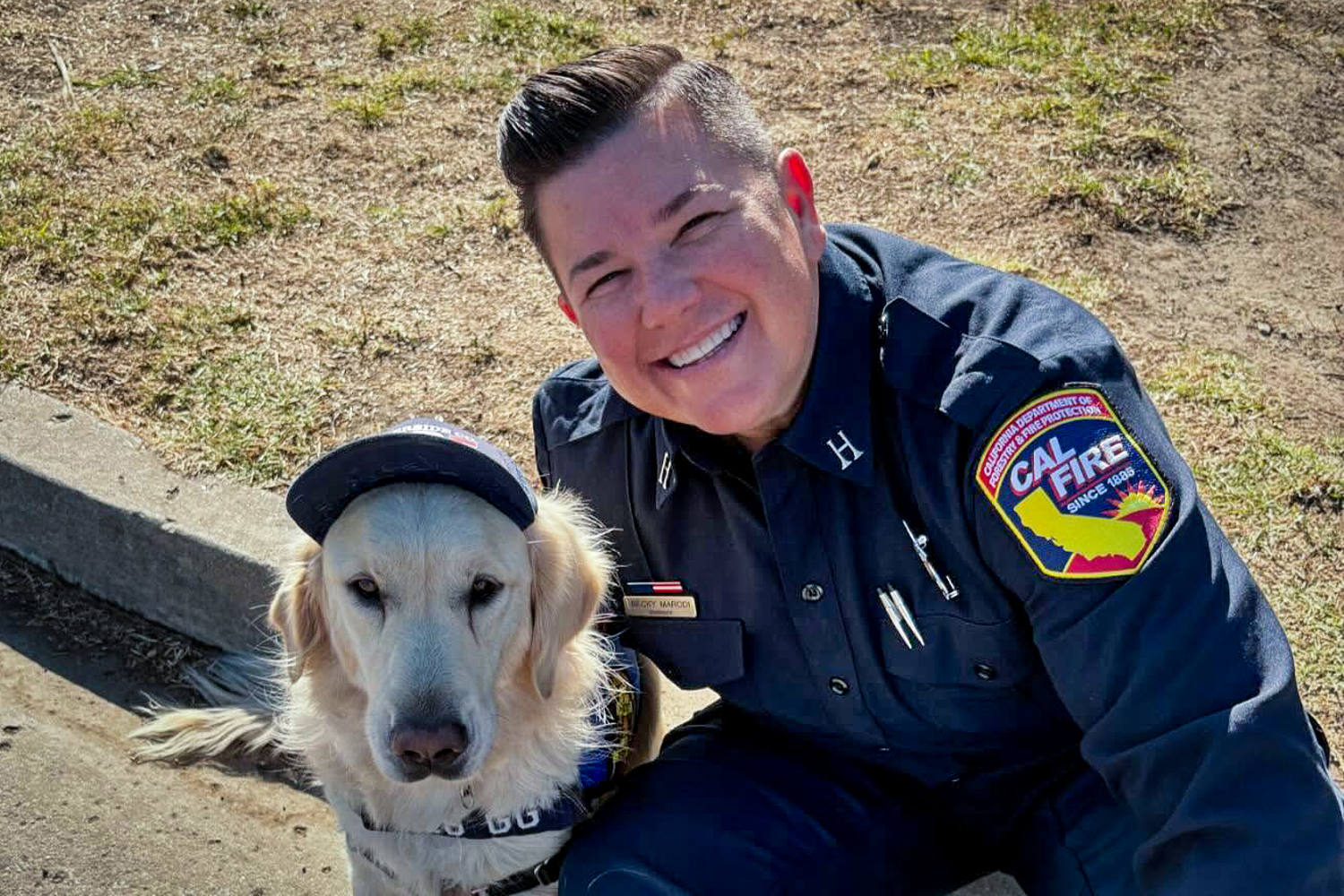
Yolanda Marodi was sentenced to 36 years to life in prison for the brutal murder of her wife, Rebecca Marodi, a Riverside County fire captain. The horrifying part isn't just the crime itself. It's the fact that Marodi had already served prison time for killing her previous husband more than two decades earlier.
The Anatomy of Repeat Domestic Violence
Most people assume that once a killer serves their time, rehabilitation has worked. Real life proves otherwise. Recidivism in domestic homicide cases points to deep psychological patterns that do not simply vanish behind prison walls.
When Marodi's two-year marriage to Rebecca began deteriorating in their Ramona home, history repeated itself. Prosecutors detailed how the deterioration of domestic relationships triggered extreme, lethal violence from an individual who had already proven capable of fatal abuse.
- First offense: Manslaughter of her former husband over twenty years ago.
- Second offense: First-degree murder of her wife, Rebecca Marodi, via multiple stab wounds.
- The outcome: A 36-years-to-life sentence that arrives decades too late for the victims.
Where the Justice System Fails
We treat homicide too often as an isolated incident rather than a symptom of a permanent behavioral profile. When an offender convicted of taking a life is eventually released back into society, surveillance and preventive mental health interventions are rarely strict enough to protect future partners.
People ask how a convicted killer manages to enter a new marriage without red flags triggering public safety warnings. Privacy laws, a lack of universal domestic violence registries, and overcrowded correctional facilities create an environment where past violent histories remain obscured from new partners.
Protecting vulnerable individuals requires looking past conventional rehabilitation narratives. If an offender demonstrates the capacity to kill a domestic partner, the threshold for permanent incarceration should be absolute. Society cannot afford to gamble on second chances when the stakes are human lives.
Woman previously in prison for first husband's death pleads guilty to killing wife
This video report covers the guilty plea and background details surrounding Yolanda Marodi's second domestic murder conviction in San Diego County.
http://googleusercontent.com/youtube_content/1


